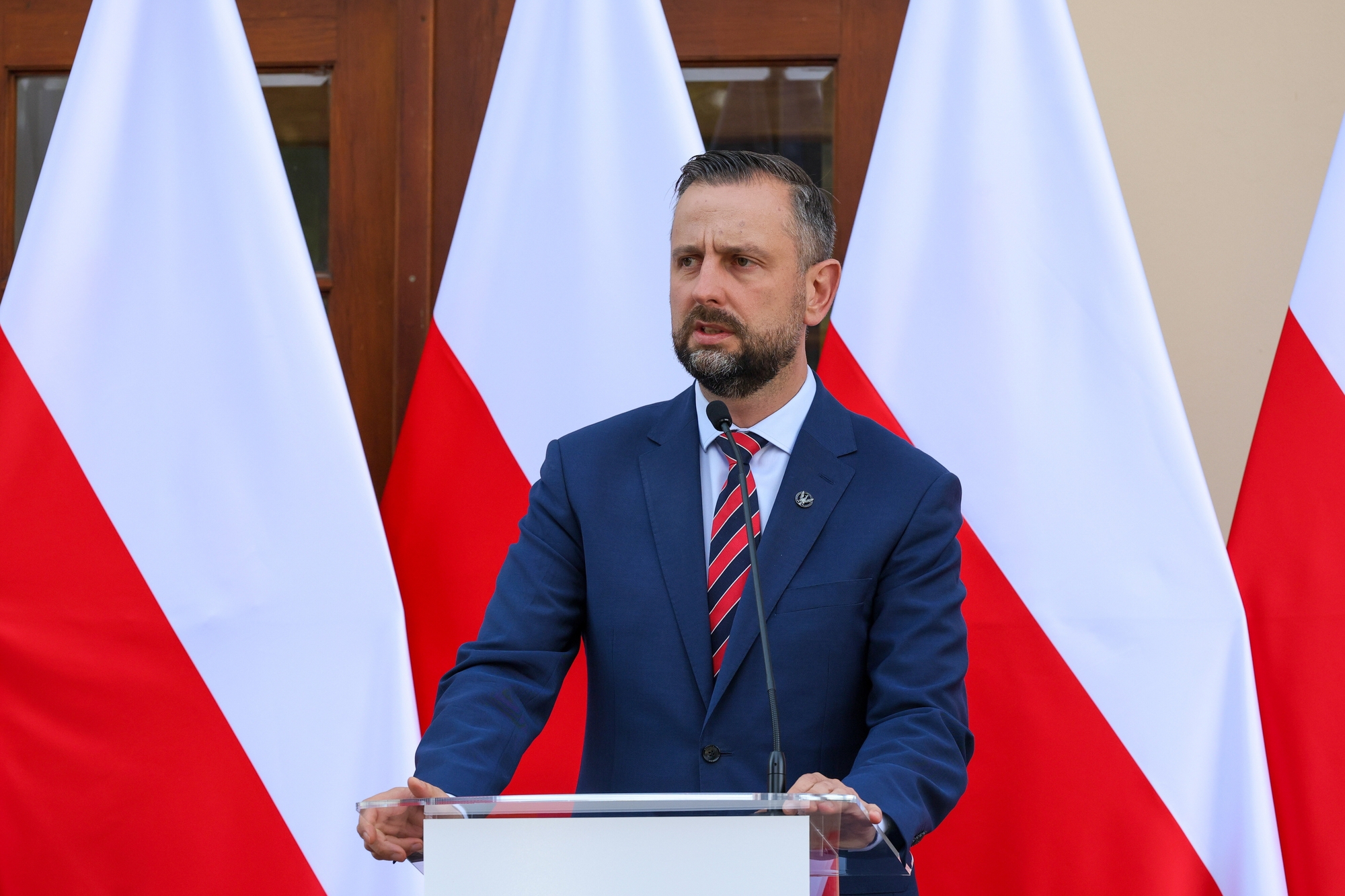
Polish Defense Minister Władysław Kosiniak-Kamysz has articulated a scenario that intelligence agencies of several NATO countries have been discussing for at least a year but have so far avoided stating publicly: Russia could launch an intercepted Ukrainian drone over the territory of an ally and present the attack as a Ukrainian mistake or a Kyiv provocation.
How a drone becomes non-Ukrainian
The mechanism that makes this scenario technically realistic has already been documented. From Kaliningrad, Russian transmitters broadcast forged satellite signals powerful enough to intercept a drone's navigation in flight, feed it false coordinates, and send it off course. According to Lithuanian intelligence calculations, the number of such spoofing transmitters reached 36 this week, compared to three at the beginning of 2025.
Strikes have already caused damage on allied territory: on May 7, one drone hit a Latvian oil storage facility and exploded on impact. On May 19, a Romanian F-16 shot down another over Estonia — the first time in history an allied aircraft destroyed a drone believed to be Ukrainian.
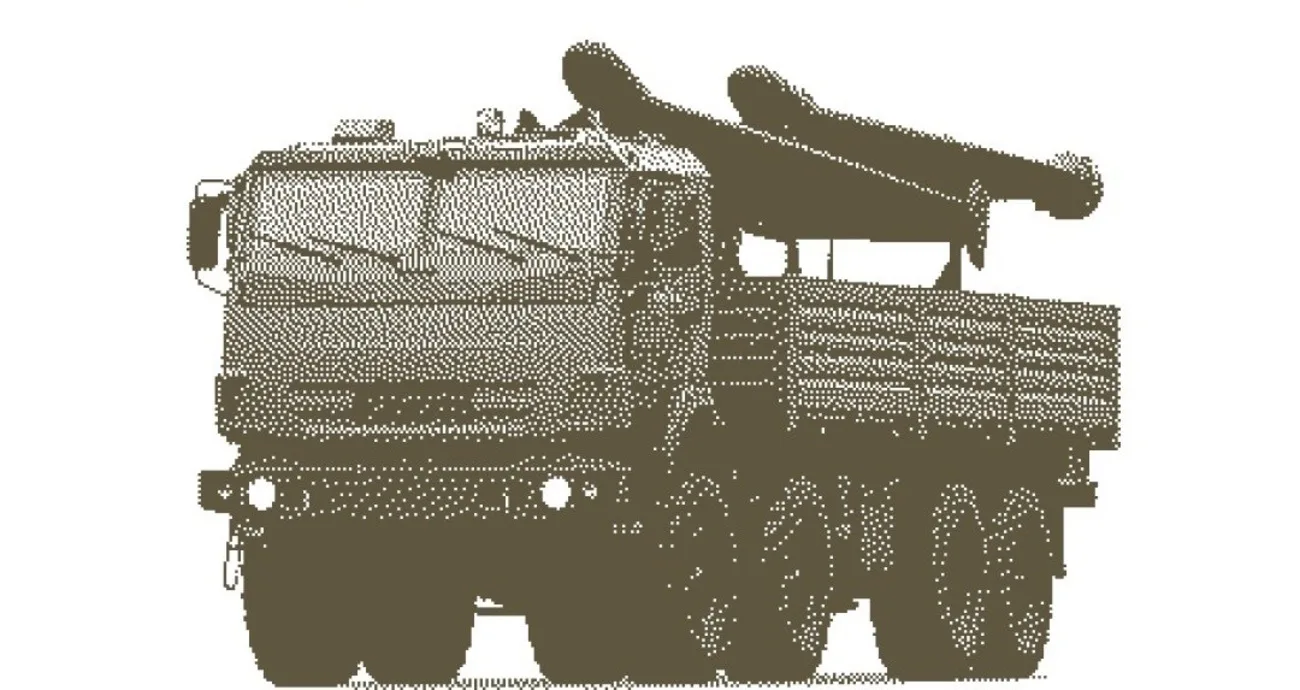
This is precisely where the vulnerable point emerges, which Kosiniak-Kamysz named directly. According to him, Russia has captured a considerable number of strike drones in relatively intact condition — and could use them by passing off foreign drones as their own or vice versa, to obscure the situation.
What the ISW and Polish intelligence track separately
Analysts at the Institute for the Study of War have warned that Russia is using drone incidents near NATO borders to shift responsibility for future attacks and potentially create a pretext for false-flag operations against alliance members.
The analysts pointed to NATO's first-ever drone intercept over Latvia on June 8 — after Russian electronic warfare assets reportedly redirected the device into Latvian airspace.
At the meeting of Poland's Security Committee of the Council of Ministers on July 21, the issue of intercepted drones will be one of the key agenda items — alongside cyber threats and critical infrastructure protection. Kosiniak-Kamysz listed specific pressure vectors:
- Constant probing of air defense systems
- GPS signal jamming over Polish territory
- Detention of agents recorded by the Internal Security Agency and the Military Counterintelligence Service
"We are constantly dealing with testing the resilience of our air defense systems, critical infrastructure, especially in the sphere of internet operations, GPS signal jamming"
Władysław Kosiniak-Kamysz, Defense Minister of Poland
Why Poland is more than just a warning signal
Warsaw was the first among NATO members to institutionalize this threat at the level of a government committee. This is not rhetoric — it is preparation of an attribution procedure: who and how will determine whose drone fell on Polish soil if the fuselage bears Ukrainian markings but the trajectory originates from Russian territory.
The attribution problem is not technical but political. The Polish minister has called on Kyiv to act more precisely during strikes against Russia, so as not to give Russia a pretext for provocations. But navigation accuracy and attribution accuracy after GPS spoofing are different matters: the former depends on Ukraine, the latter on how well coordinated the allies are in exchanging intelligence in real time.
If NATO does not create a joint mechanism for rapid technical attribution of drone incidents — with access to telemetry and electronic intelligence data from several countries simultaneously — the next "unknown" drone over Polish or Romanian territory will remain a weapon of information warfare regardless of who launched it.