What happened
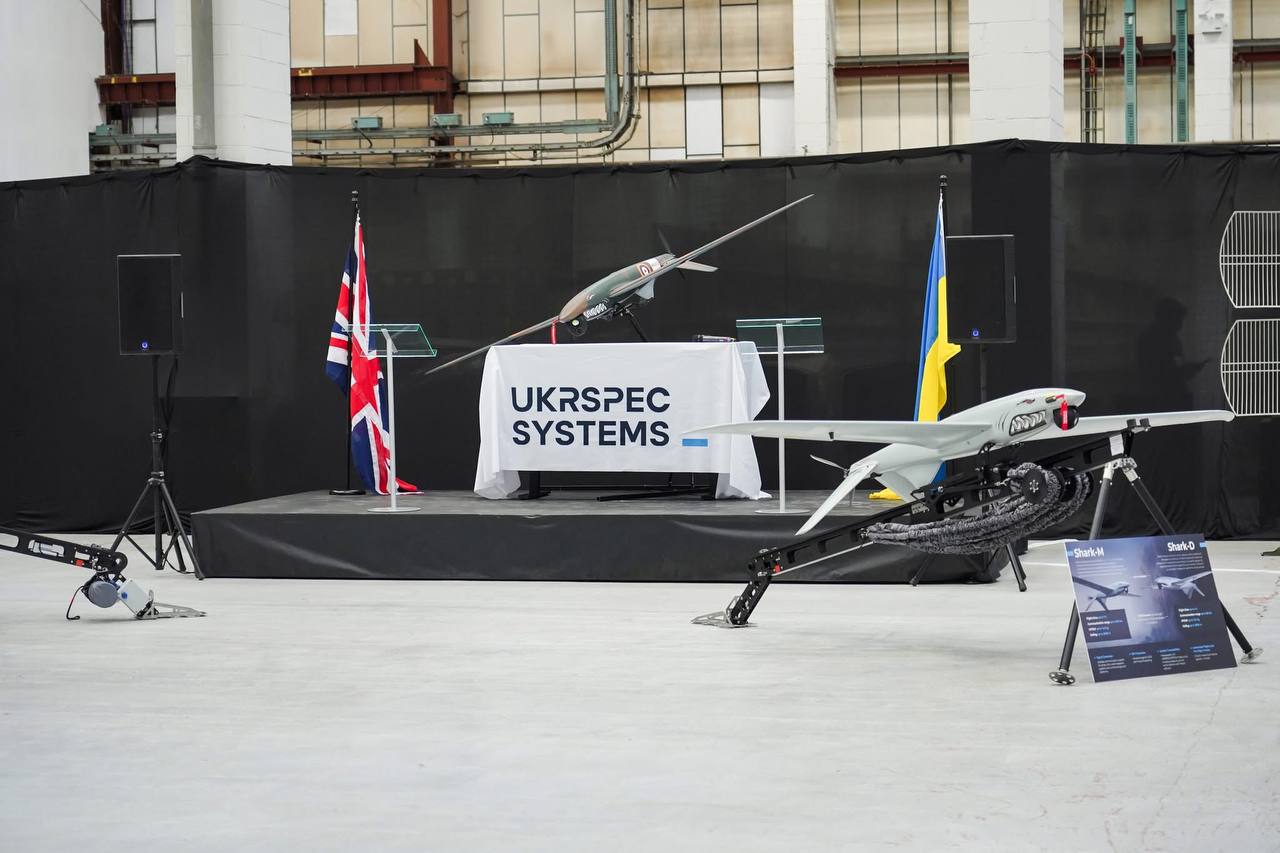
The first Ukrainian defence factory has launched in the United Kingdom — a manufacturing complex of the company Ukrspecsystems, which produces Octopus-series drones. According to Ambassador Valerii Zaluzhnyi, the engineering centre of expertise will remain in Ukraine, while serial production will be integrated into the British defence ecosystem.
"This is not a transfer of the centre of gravity away from Ukraine. It is an expansion of our shared capabilities and the creation of a second layer of resilience that guarantees continuity of production"
— Valerii Zaluzhnyi, Ambassador
Why it matters
Production resilience. Moving part of the capacity to an allied country creates a reserve that reduces the risk of supply disruptions from strikes on infrastructure and allows delivery rates to be maintained during escalation.
Turning combat experience into industry. Ukrainian engineers bring solutions to the product that have been tested in real combat conditions; British industry provides scale, standards and access to Western markets.
Economic and political impact. For the United Kingdom — jobs and a stronger defence industrial base; for Ukraine — production stability and the ability to plan long term.
Context and facts
In November 2025 Ukraine and the United Kingdom signed an agreement on the production of Octopus drones, which envisages a monthly capacity of one thousand UAVs. On 20 February a new version of the Octopus was presented to the Deputy Prime Minister of the United Kingdom — a signal that the project has political backing and industrial demand.
What’s next
This launch is not a one-off event but a step toward creating a "second layer" of industrial resilience. The key task now is to keep engineering control in Ukraine, ensure transparent supply chains, and turn political declarations into long-term contracts and certifications.
Whether this project can be transformed into sustained cooperation that strengthens our security and raises the industrial standards of partners will depend on how the partners implement technical control, financing and logistics.





