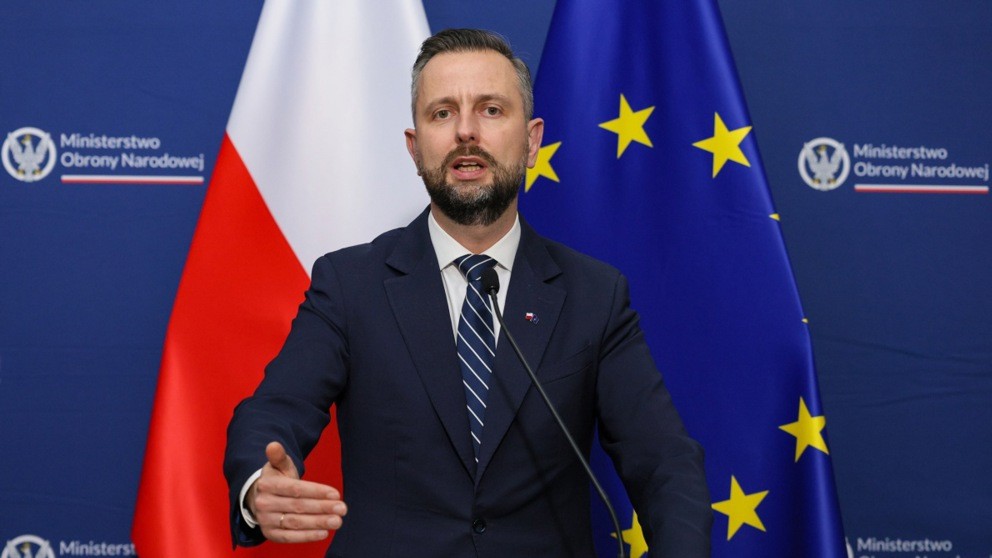
Vladislav Kosinak-Kamysh, leader of the "Polish People's Party" and Poland's Minister of National Defence, stated bluntly and without diplomatic reservations on Polsat News on June 29: "You cannot put those who destroy European cooperation on a pedestal in the EU. Ukraine will not enter the European Union with Bandera". That same evening, he announced that Poland would not transfer MiG-29 fighter jets to Ukraine — because Kyiv allegedly did not fulfill the agreement regarding the exchange for drone technologies.
What exactly did Kosinak-Kamysh say
The Polish minister formulated two separate but related complaints. The first is symbolic: Ukraine should not honor the OUN and UPA as national symbols if it aspires to EU membership. The second is pragmatic: the deal "MiGs in exchange for drones," which Warsaw considered part of the partnership, remained unfulfilled on the Ukrainian side.
"I proposed a very partnership-based approach: MiGs for drones. The Ukrainians initially accepted this, but did not implement it. Therefore, there are no MiGs for Ukraine, because Poland has no unmanned aircraft."
Vladislav Kosinak-Kamysh, Polsat News, June 29
Separately, the minister emphasized: Poland will decide for itself how to vote on EU enlargement, and will not allow other countries to dictate Warsaw's position. Effectively — a public declaration of potential veto.
Context missing from the quote
Technically, Poland has a real leverage tool: in the EU, the decision to accept a new member requires unanimity of all 27 countries. A precedent already exists — Hungary blocked even the start of negotiations with Ukraine for years. A single "against" vote is enough to halt the entire process.
It is important to understand the scale of the stakes. According to the Brussels think tank Bruegel, after accession Ukraine will become the largest net recipient of EU funds — approximately €85 billion from the agricultural program and €32 billion from cohesion funds over a seven-year budget cycle. This will directly hit Poland, which is itself currently one of the largest beneficiaries of these funds.
Senior economist at the Center for Economic Strategy Yana Okhrimenko explained this logic openly: "Poland was attractive to investors because of an educated workforce with low salaries. Now Ukraine has a chance to become the new Poland — and these ideas are already cautiously appearing in Polish public discourse". In other words, economic competition between the two countries after a hypothetical Ukrainian accession — is not an abstraction, but already a subject of discussion in Warsaw.
Why the "historical question" is a convenient frame
The Volyn tragedy of 1943–1944 is a real and painful chapter in shared history. But it is notable that now, amid active negotiations on membership and against the backdrop of the MiG deal collapse, the minister of defence (not the foreign minister, not the prime minister) raises this issue on live air as a condition for European integration.
Kosinak-Kamysh also supported the idea of criminalizing "Banderite symbols", but cautioned that such a step should not become an instrument of Russian propaganda — which in itself suggests that the Polish side is aware of the risk of playing into Moscow's hands with this discourse.
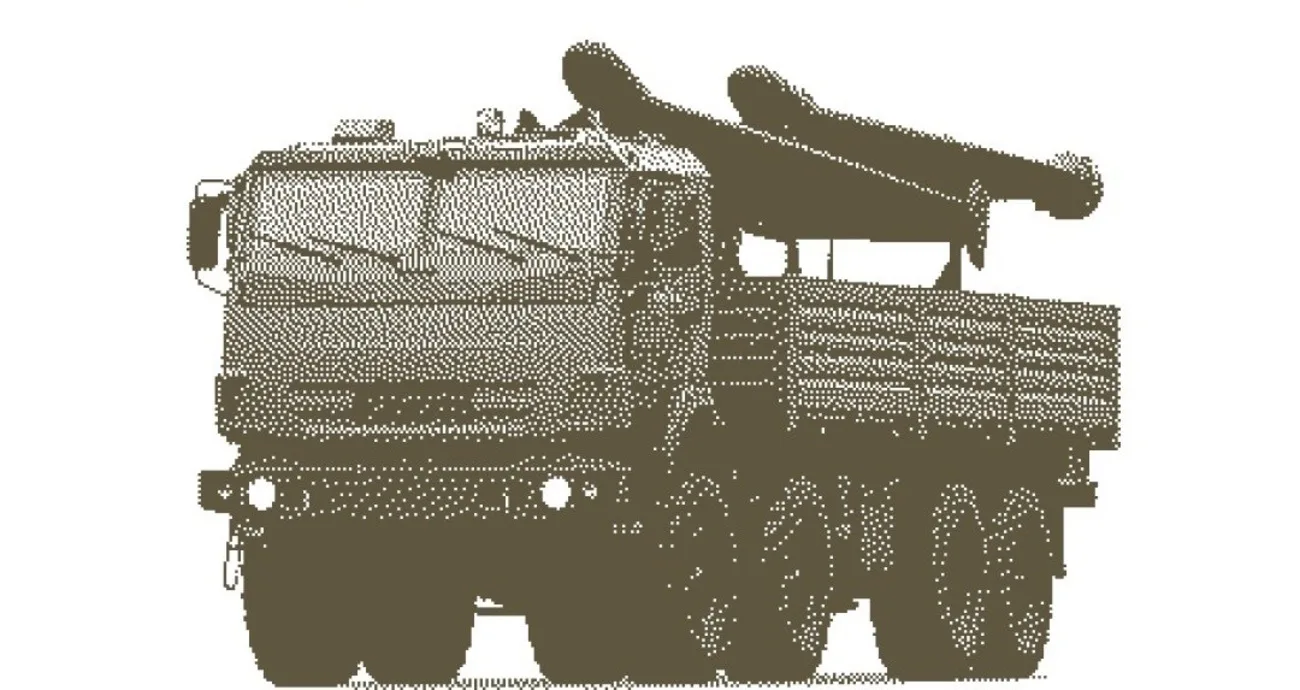
- MiG-29: Poland planned to transfer 6–8 aircraft decommissioned from the Polish Armed Forces. The deal fell through, according to Warsaw's version — due to Kyiv's refusal to exchange drone technologies.
- Volyn: The Polish side demands that Ukraine recognize the tragedy as genocide — Kyiv has still not officially done so.
- OUN-UPA: Polish parliamentarians have also registered initiatives related to this issue in the European Parliament.
What this means in practice
Currently, Poland officially supports Ukraine's European integration — and Polish EU presidency in the first half of 2025 has generally promoted this agenda. But Kosinak-Kamysh's statement is not the position of the Tusk government as such, but a signal from an influential coalition partner that could become government policy if public pressure in Poland increases.
For Ukraine, a delay in accession is not simply diplomatic discomfort. EU membership is the main signal to private investors about stability and rules of the game in the country after the war. As noted at CEPR, "support for EU accession and secure borders are signals to investors that this time the trajectory will be different."
If Polish coalition disputes intensify before the 2027 elections, and the Volyn issue remains without formal progress, will Warsaw have the political will not to turn Kosinak-Kamysh's public "warning" into an official veto?