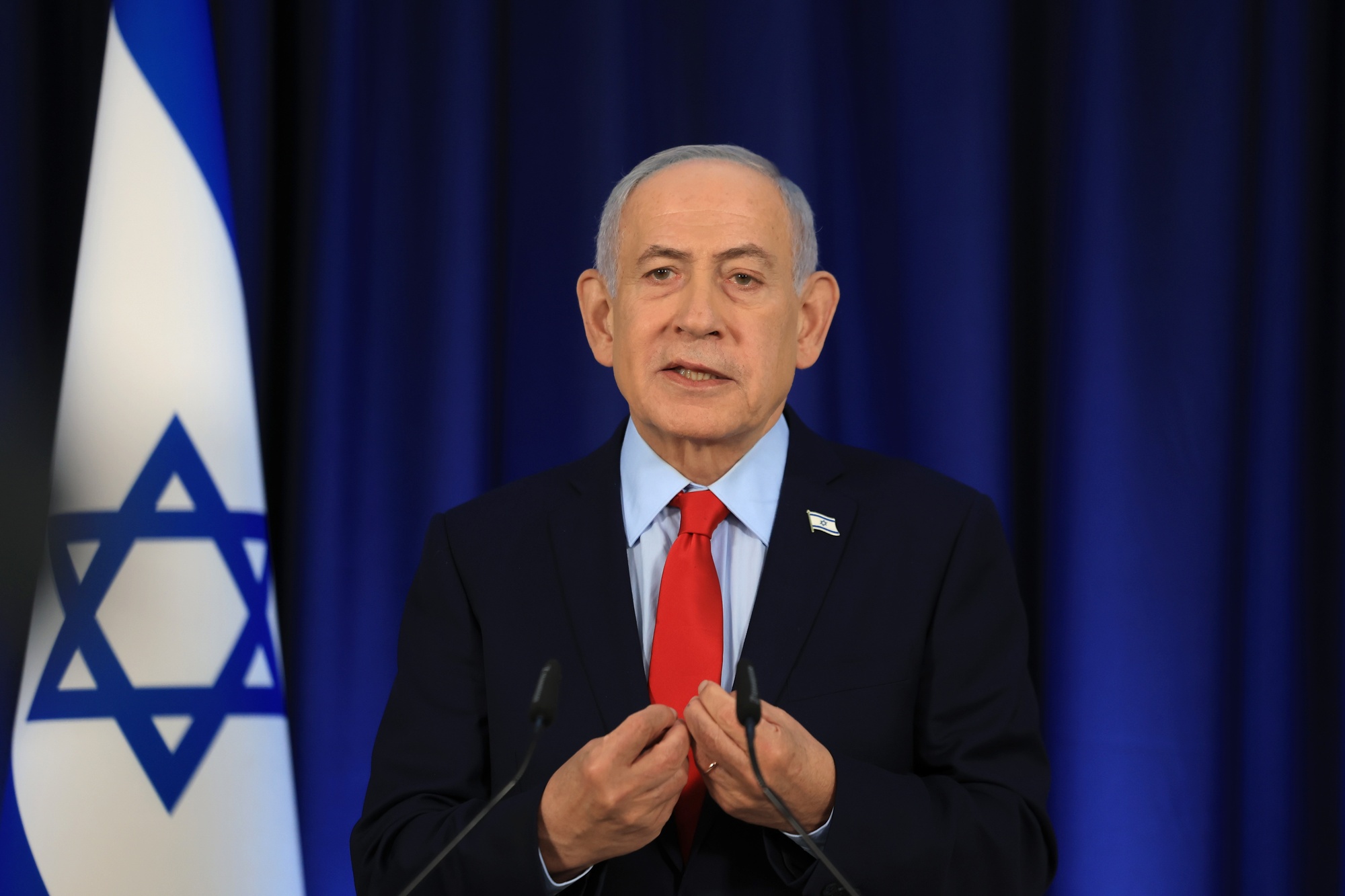
On April 9, Israel launched massive strikes on Beirut and southern Lebanon. More than 200 people were killed — Lebanon's Ministry of Health warned that the figure would rise. Netanyahu confirmed the elimination of Ali Yusuf Harshi — a personal assistant and, according to the military, nephew of Hezbollah Secretary-General Naim Kassem.
Who is Harshi and why it matters
Harshi was not a field commander. He was part of Kassem's inner circle: he coordinated access, communications and, according to the IDF, participated in the group's rearmament. His killing is a blow to Hezbollah's chain of command, not just to an individual. The IDF also attacked Hezbollah infrastructure in southern Lebanon: major crossings, weapons depots, launch sites and group headquarters.
"We continue to strike Hezbollah with strength, precision and determination"
— Benjamin Netanyahu, X, April 9
Where the EU stands — and where its influence ends
The head of European diplomacy Kaja Kallas supported Lebanon's efforts to disarm Hezbollah and called for extending the ceasefire to Lebanon. French Foreign Minister Jean-Noël Barrot stated that Lebanon should be included in any ceasefire agreement, while insisting that Iran must stop supporting proxy groups such as Hezbollah, Hamas and the Houthis.
The problem is that there is no enforcement mechanism behind these statements. Israel violated the November 2024 ceasefire almost daily — the Lebanese government counted more than 2,000 Israeli violations in just the last three months of 2025. Kallas supports disarmament — but actual responsibility for its implementation rests with the Lebanese army, which still lacks both the resources and the mandate for direct confrontation with Hezbollah.
Context that disappears from headlines
According to the International Organization for Migration, more than 64,000 people remain internally displaced in Lebanon. The April 9 strikes are not an isolated episode but part of a campaign that has essentially never stopped since November 2024. Israeli soldiers hold five positions on Lebanese territory, controlling significant areas of southern Lebanon through drones, airstrikes and fire.
- Eliminated: Ali Yusuf Harshi, personal assistant and nephew of Naim Kassem
- Casualties: more than 200 killed in one day, according to Lebanese Ministry of Health
- IDF targets: crossings, depots, launch positions and headquarters in the south
- EU reaction: condemnation, call to expand ceasefire — without a sanctions mechanism
If the Lebanese army does not receive concrete funding and a mandate to deploy in the south by year-end, the EU's calls to disarm Hezbollah will remain a declaration — and Netanyahu knows this.





