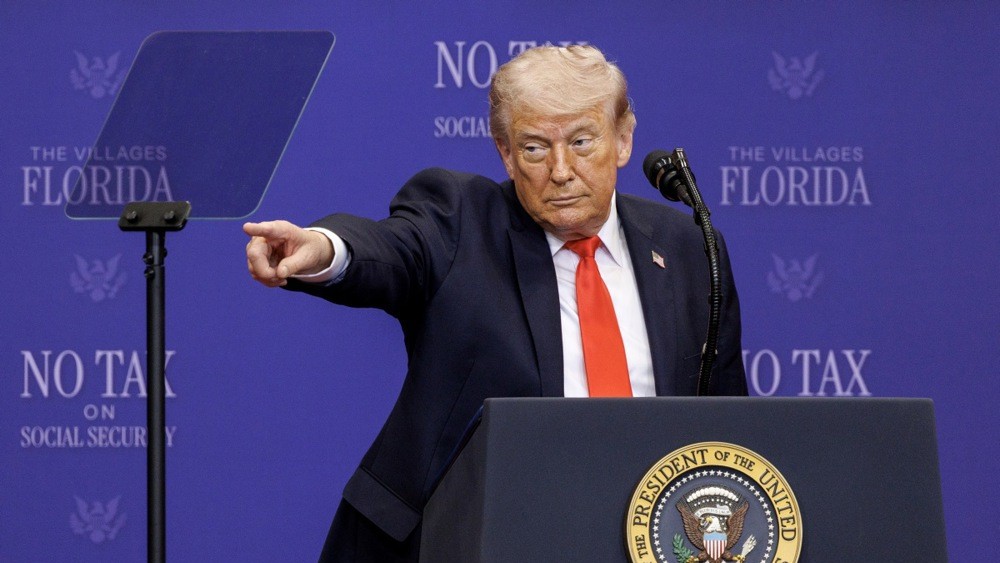
In March, Trump said in the Oval Office that Iran had "somewhere 18-19 percent" of its missile potential remaining. Classified intelligence assessments dated early May show a different figure — approximately 70%.
What the assessments show
According to NYT citing sources familiar with intelligence materials, Iran has restored operational access to 30 of 33 missile facilities along the Strait of Hormuz — a strategic route through which approximately 20% of global oil supplies pass. Separately, the Washington Post reported that Tehran has retained approximately 75% of mobile launch systems and about 70% of its pre-war missile stockpile — both ballistic missiles (for regional strikes) and cruise missiles (for maritime and land targets).
Intelligence assessments evaluate approximately 90% of underground missile storage facilities as "partially or fully combat-ready." This means that Iranian missiles capable of striking American ships in the strait remain in place — despite an air campaign that lasted from February 28 until the ceasefire on April 8.
The cost to the US
Meanwhile, NYT revealed the American side's expenses: during Operation Epic Fury, approximately 1,100 long-range stealth cruise missiles were used — nearly the entire available stockpile. Additionally — over 1,000 Tomahawk missiles (approximately a decade's worth of production) and over 1,300 Patriot interceptors (more than two years of production at 2025 rates). Replenishing these stockpiles will take years.
Pentagon reaction
"Iranian military forces are defeated. Whoever claims they have restored their potential is either hallucinating or is a mouthpiece for the IRGC."
Pentagon Spokesperson Olivia Wells — in response to NYT's inquiry
Defense Minister Pete Hegseth launched an FBI investigation into the leak of the classified assessment by the Defense Intelligence Agency (DIA). According to him, the previous DIA report was "preliminary, with low confidence level" and was leaked by people "who had an agenda." Hegseth himself stated at an April press conference that the operation "destroyed Iranian armed forces and rendered them incapable for years."
A tactical choice with consequences
American military planners bet on strikes against fixed infrastructure — mines, command centers, factories. Mobile launch systems dispersed across the country proved to be a considerably more difficult target. These are precisely what pose the greatest operational risk to the US fleet in the Strait of Hormuz — where negotiations on the conditions for ending the blockade are ongoing.
- 30/33 — missile facilities near Hormuz that have restored operational access
- ~70% — of pre-war missile stockpile preserved
- ~75% — of mobile launch systems remain operational
- ~90% — of underground storage facilities partially or fully combat-ready
Iranian leadership suffered serious losses among senior officers, and the economy remains under pressure from blockade and sanctions. However, the military potential that remains raises questions about a key premise on which Washington is building its negotiating position: that Tehran is forced to make concessions from a position of weakness.
If the next round of Hormuz negotiations fails — and the US resumes strikes — intelligence assessments indicate that Iran's mobile artillery remains capable of closing the strait to shipping. Whether the White House has accounted for this asymmetry in its red lines remains unknown.





