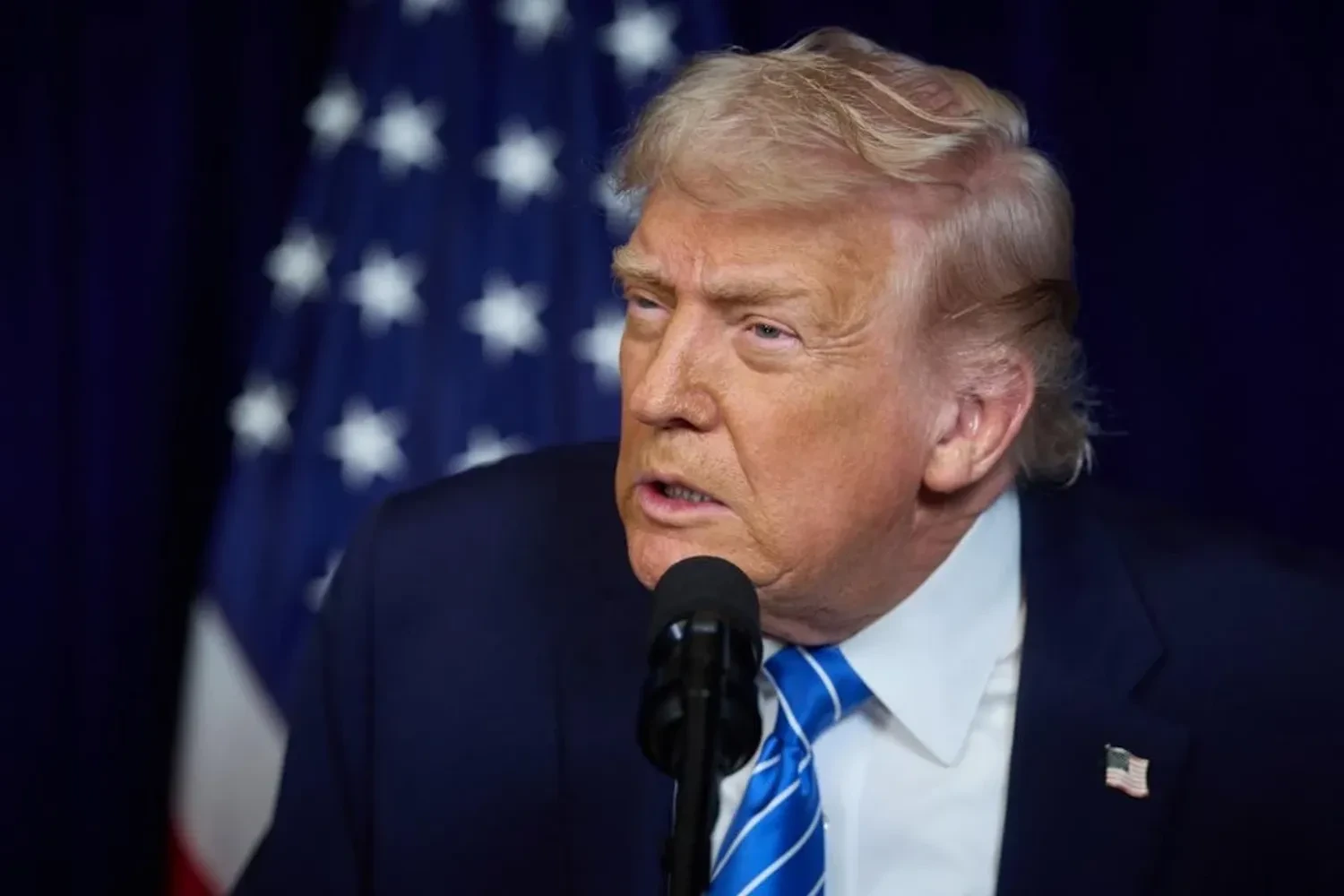
Last year, the deportation of Ukrainian children to Russia existed in American sanctions law as an example of "serious human rights violations" — a vague formulation that covered everything and nothing specific at the same time. Now it is a separate article of law with clear consequences: frozen accounts, annulled visas, criminal liability. US President Donald Trump signed the law H.R. 5334 on September 18 — the "Lindsey O. Graham Sanctioning Russia and Iran Act of 2026".
What exactly is changing
The law provides two mechanisms to pressure those responsible for transporting Ukrainian children — not only the executors, but also intermediaries: transport companies, guardianship structures, officials who process documents.
- complete asset blocking: property and property interests of a person in the USA or under the control of American persons are frozen, operations with them are prohibited;
- visa restrictions: a person loses the right to enter the USA, existing visas are annulled immediately.
The decision to include specific names in the lists is made by the US President — this is Trump's personal prerogative, not an automatic procedure. Violations of the prohibitions entail civil and criminal liability under American law.
Why now
The law was named after Senator Lindsey Graham not by chance: the Republican was for years one of the main lobbyists for tougher sanctions against Russia, and died unexpectedly in July 2026. This gave the document political weight that was hard to ignore even for those who previously wavered. The Senate passed the law 86 to 11 in August, the House of Representatives 262 to 159 on September 16, with 58 Democrats and even one independent congressman voting in favor, despite the fact that the document expands the powers of an administration that Democrats typically do not trust.
Beyond the children's section, the law extends sanctions against Iran until 2031 and gives the president authority to impose tariffs up to 100% for countries that continue to buy Russian oil and gas — primarily alluding to India and China.
Who benefits
For Ukraine, this is the first case when forced displacement of children has been enshrined in American law as an independent, separately prescribed basis for sanctions, rather than a secondary item in a general list of violations. For Trump — this is a tool of pressure that he can wield selectively: the law leaves the president the right to designate specific persons under sanctions, and regarding the tariff section provides waiver powers — the ability to make exceptions if the administration deems it in the national interest. That is, the strictness of the law on paper does not mean automatic strictness in application.
President of Ukraine Volodymyr Zelensky thanked Trump and Congress and called for implementing the law "fully and quickly". Foreign Minister Andriy Sybiha called the day of signing "truly historic" and reported that in parallel, the European Union is preparing restrictions against 27 Russian individuals and legal entities related to the deportation and ideological processing of Ukrainian children.
The best way to honor Lindsey's memory is to fully and quickly implement the provisions of this law, — Zelensky said, recalling how the senator insisted on not easing pressure on Russia.
Where is the opposition
Support was not unanimous even within Congress: 152 Democrats voted against, despite the fact that it was Democrat Richard Blumenthal who was a co-author of the bill along with Graham. The complaint — is not about the children's section, but about the scope of tariff powers that the law transfers to the president: critics fear that Trump can use such broad levers selectively or for political motivation, rather than systematically against Russia.
Russia traditionally disputes the very definition of "deportation", calling the transportation of children evacuation from dangerous territories — and this law is unlikely to change the Kremlin's rhetoric. The question is not whether Moscow will call the process a crime, but whether the first specific names will appear in the sanctions lists and whether this norm will become a real instrument of pressure, or just another declarative article that the president has the right not to apply.







