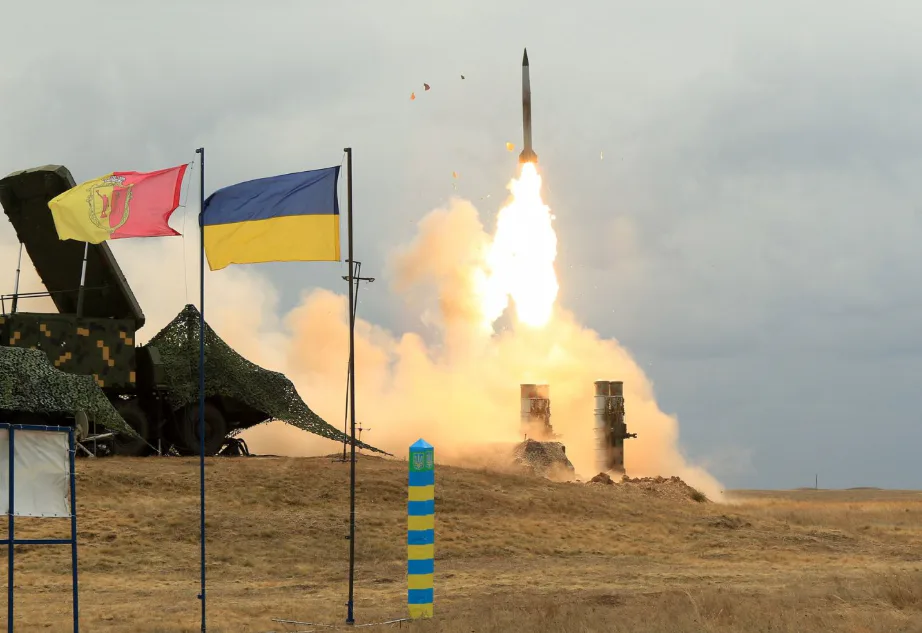
Ukraine's defense forces struck a number of Russian military facilities in temporarily occupied territories on September 18 and the night of September 19. The strikes hit unmanned aerial vehicle (UAV) control points, a training ground, an ammunition depot, and a logistics facility, according to the General Staff of the Armed Forces of Ukraine.
Russian drone control points were hit in the areas of Luhansk and Pokrovsk in Donetsk region, as well as in Volodymyrivka, Verbove, Novoprokopivka, Dobropillia, and Rivnopillia in Zaporizhzhia region. Near Novoprokopivka, two such facilities were struck simultaneously.
Why Control Points Rather Than Drones
A single kamikaze drone costs anywhere from a few hundred to a few thousand dollars and is produced in Russia by the thousands each month. A control point is a different matter economically: it has a trained operator, communications equipment, sometimes a satellite terminal, and a generator. Destroying such a node means "blinding" an entire sector of the front for a period of time, because without an operator, a drone simply won't fly, no matter how many remain in storage.
This is why strikes on Luhansk, Pokrovsk, and a cluster of villages in Zaporizhzhia region—Volodymyrivka, Verbove, Novoprokopivka, Dobropillia, and Rivnopillia—look not like chaotic target elimination, but rather an attempt to sever Russia's network of reconnaissance and strike drones across several fronts simultaneously. Two facilities near Novoprokopivka in a single strike is a sign that an entire company or battalion-level UAV command node may have been located there.
Training Ground and Depots: A Strike on Russia's Ability to Accumulate Resources
In the area of temporarily occupied Novopetrivka in Zaporizhzhia region, Ukraine's defense forces hit the "Vostochny" training ground. In Donetsk region, a logistics facility was damaged in Rybinske, while near Amvrosiivka, a Russian ammunition depot was struck.
A training ground is not merely a place for exercises. It is a logistics hub where new equipment, including drones, is tested and configured before being sent to the front. A strike on such a facility affects not the current battle, but Russia's ability to prepare subsequent waves of attacks.
Radar in Smolensk Region—A Signal of Deep Reach
The General Staff confirmed damage to the Russian 80P6 radar station in the Mityulov area of Russia's Smolensk region. Ukraine's defense forces struck it on September 17, with confirmation coming only two days later.
The General Staff emphasized that strikes on key enemy military facilities continue.
Smolensk region borders both Belarus and Russia simultaneously, so damaging a radar station there means Ukrainian weapons are reaching facilities that protect deep rear areas and supply transport corridors. If this trend continues, the logical next step will be not isolated strikes on radar stations, but a systematic attempt to breach Russia's echeloned air defense system before it can redeploy reserve systems to replace damaged ones.