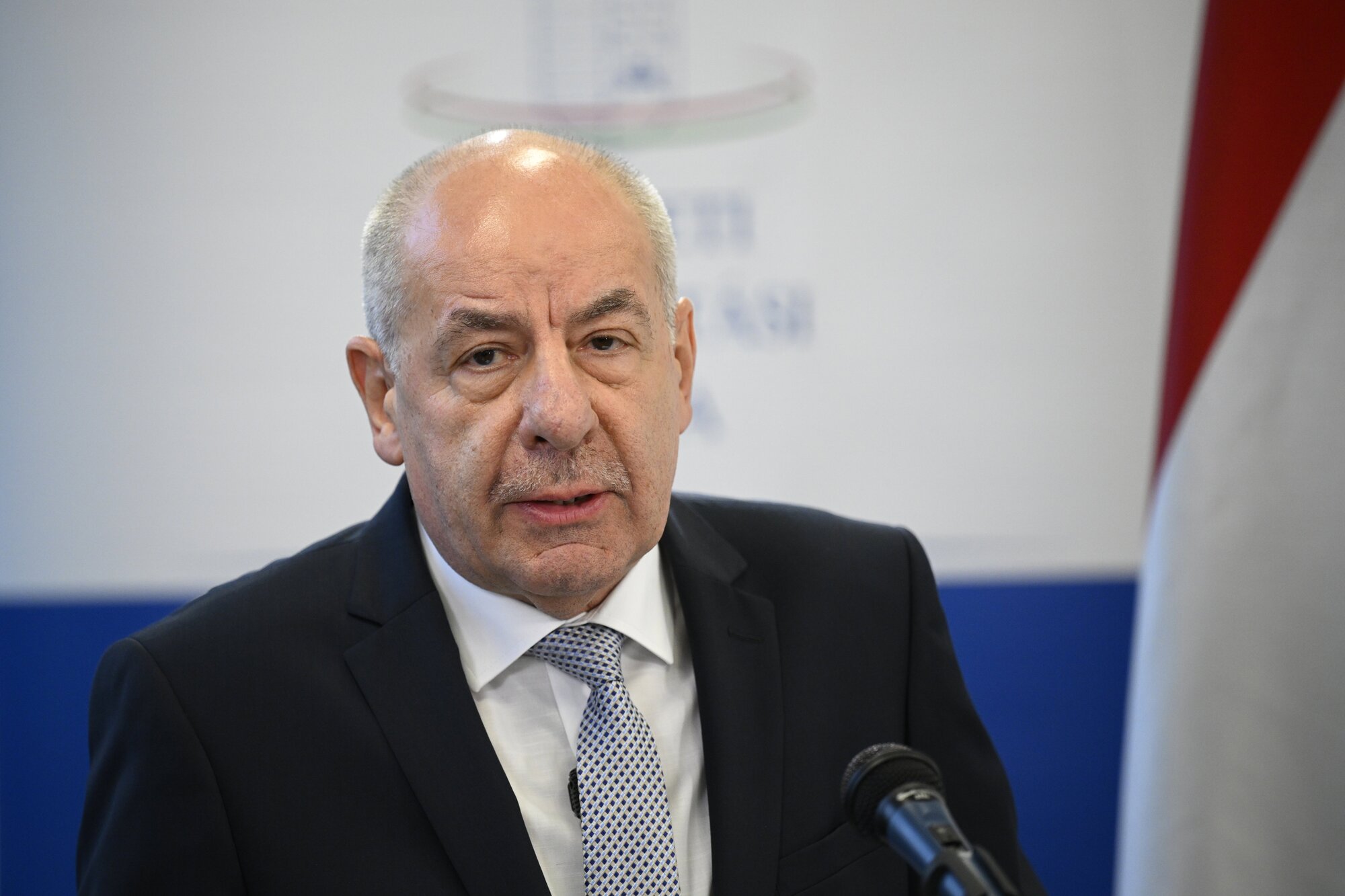
On Saturday, Hungarian President Tamás Sulyok signed a constitutional amendment that terminates his own powers. This is not a paradox — it is the result of a five-day ultimatum: after parliament adopted the 17th amendment to the Basic Law with 139 votes to 6, Sulyok had exactly five days to sign or veto the document.
According to UNN, in his statement Sulyok emphasized that throughout his life he has been guided by respect for the law, and called the adoption of the amendment "a fateful national question" that goes beyond personal or political interests. Péter Magyar promised during his election campaign to remove officials appointed by "Fidesz" — and implemented this through a direct constitutional norm.
What exactly the amendment changed
As Lb.ua reports, the 17th amendment is a package, not a single provision. Besides removing Sulyok, the document:
- restored the upper age limit of 70 years for constitutional judges and reduced their term of office from 12 to 9 years;
- introduced a limit on parliamentary service — no more than 12 years; deputies who have completed three terms will not be able to run again — this affects most current Fidesz deputies;
- enshrined the constitutional status of a new anti-corruption agency;
- abolished the Budget Council's veto power;
- removed the head of the Constitutional Court, Péter Pollák.
Hungarian media dubbed the law "lex Orbán": Orbán ruled Hungary for about 20 years in total, and the new restrictions make his return to the prime ministership impossible, as Glavkom reports.
The Orbán camp in confusion
"From now on, there is a political competition in Hungary in which at least half of the deputies are excluded from participation,"
— said Gergely Gulyás, leader of the Fidesz faction, immediately after the vote — and announced his own resignation as faction chairman.
A few days before the vote, Fidesz organized a demonstration under the slogan "Stop Arbitrariness!" outside the Sándor presidential palace. This was the first public mobilization of the party in its role as opposition after 16 years in power.
What's next with the presidential post
Sulyok's powers will end the day after the law is published in the official gazette. Until the new head of state takes office — on the eighth day after the election results are announced — the duties of the president will be performed by the speaker of parliament. Parliament must elect a new president within 30 days by secret ballot. Only the Tisza and Fidesz factions can nominate a candidate independently — this requires at least 40 deputy signatures.
Magyar hinted that in the future Hungary could move to direct popular elections for president — after the adoption of a new Constitution, which he announced as the next stage of reforms.
Parallel to internal restructuring in parliament, a signal has been registered toward Ukraine: according to Glavkom, Hungary blocked the opening of two clusters of negotiations on Ukraine's EU accession, insisting on changes to the wording of the summit's final document. That is, the foreign policy course toward Kyiv remains a bargaining tool even under the new government.
If Magyar elects a new president from his own ranks and consolidates the anti-corruption agency before the next elections — the question will be whether he can make the reforms irreversible without a new Constitution, or whether they will remain amendments that the next majority can rewrite just as quickly.