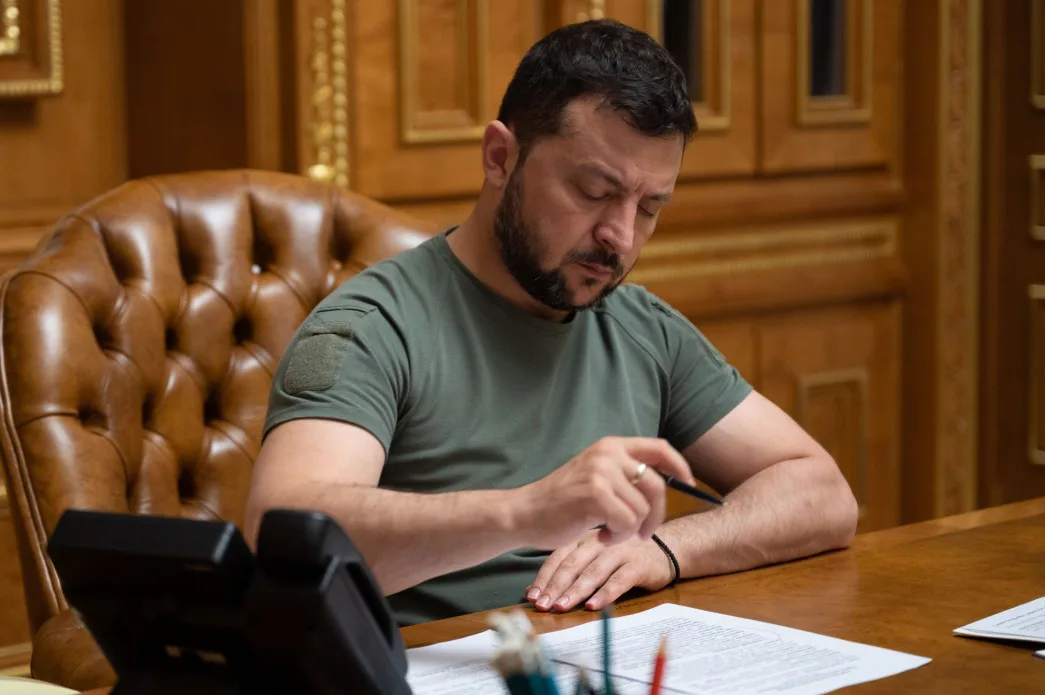
On June 12, President Zelensky signed decree No. 493/2026 on the implementation of the NSDC decision. The sanctions list included 29 individuals and 17 legal entities — judges, propaganda media outlets and their leaders.
Judge as an instrument of isolation
The central figure among the individuals is Moscow judge Timur Vakhrameyev. According to the Office of the President, he systematically made politically motivated decisions against Ukrainian civilians and fighters of volunteer units.
«He facilitated the complete isolation of illegally detained Ukrainian journalists and was involved in the imprisonment of Viktoria Roschyna, who was tortured to death in Russian captivity.»
Office of the President of Ukraine
Roschyna disappeared in August 2023 while working on a report in occupied territory. Her death became known on October 10, 2024 — she was already on the exchange list. Russia returned her body with traces of torture to Ukraine only in February 2025.
An important detail of the timeline: The European Union imposed sanctions against Vakhrameyev back in November 2025. According to the EU, the judge is responsible for torture and the deaths of 15 detainees in Russian detention centers. Kyiv joined this list seven months later.
Propaganda as a legal entity
Among the legal entities in the sanctions package are publications that have long been considered Kremlin mouthpieces in Ukraine:
- «Gazeta.Ru» and its managers
- «Lenta.Ru» and its managers
- Union of Journalists of Russia together with structures in temporarily occupied territories
The OP notes that all of them «are involved in the systematic spread of lies and Russian propaganda». The sanctions list also includes well-known television host Vladimir Solovyov.
The restrictions provide for the blocking of assets, a ban on entry to Ukraine, annulment of licenses and other economic sanctions.
What this changes
Ukrainian sanctions have predominantly symbolic dimensions: the sanctioned individuals practically have no assets in Ukraine, and their real property is in jurisdictions where these decisions are not enforced. However, the OP emphasizes that the introduction of restrictions against war criminals and propagandists could become an «interim punishment» before the formation of an international tribunal on the crimes of Putin's regime.
The question is different: if Vakhrameyev, according to the EU, is responsible for the deaths of 15 people in detention centers and Kyiv knew this — why did seven months pass between EU sanctions and Ukrainian ones? If the tribunal does work, will these lists become evidence — or remain declarations of intent.





