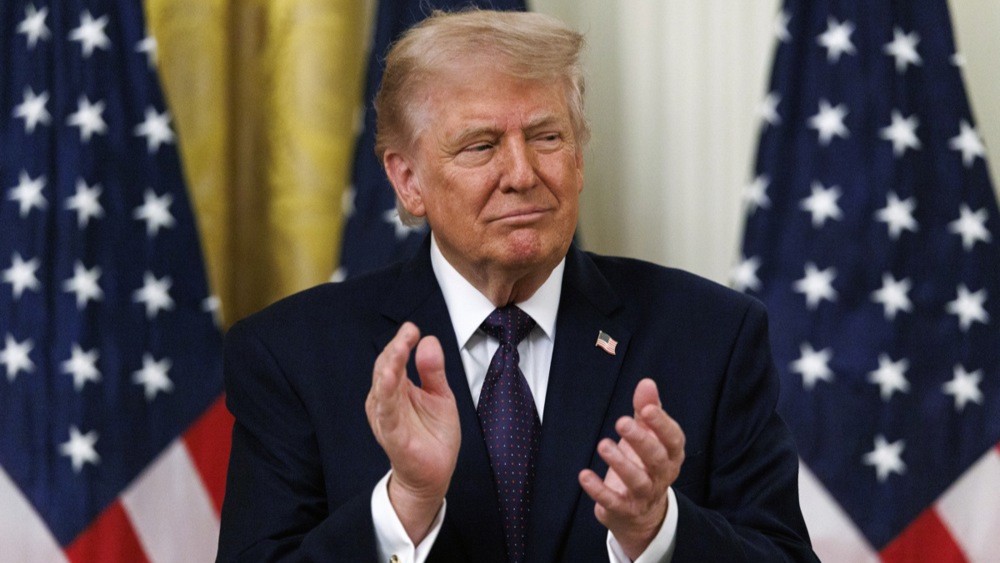
US President Donald Trump stated that on June 14, Washington and Tehran will sign an agreement regarding Iran's nuclear program. According to him, Iran "no longer wants" to develop nuclear weapons, and after the document is signed, the Strait of Hormuz will be opened — a key maritime corridor through which approximately 20% of global oil traffic passes.
This is the first public reference to a specific date following months of indirect negotiations between American and Iranian delegations in Oman and Geneva. Reuters and AP previously reported that the parties discussed partial uranium enrichment on Iranian territory under international supervision — an option that Israel openly rejected.
What does "Iran no longer wants" mean
Trump's formulation is political, not technical. The IAEA documented that as of early 2025, Iran was enriching uranium to 60% — a step away from the weapons-grade level of 90%. A statement about renouncing nuclear ambitions without a verified mechanism for dismantling centrifuges or removing enriched material is a declaration of intent, not a change in physical fact.
This is where the real line of tension lies: if the agreement does not include binding concrete verification steps, it repeats the logic of the 2015 JCPOA, which Trump himself withdrew from in 2018, calling it a "disaster."
Hormuz as leverage
The mention of opening the Strait of Hormuz is a signal to energy markets. Iran has repeatedly threatened to block the strait in response to sanctions. If the agreement removes some restrictions on Iranian oil exports, this will increase supply on the market and push prices down — which benefits Trump domestically ahead of the election cycle.
Congress and allies
The 2015 Corker-Cardin Act requires Congress to receive any nuclear agreement with Iran for a 30-day review. If the administration frames the agreement as an executive agreement rather than a treaty, this is a legally vulnerable path that the opposition is already prepared to challenge. Israel, according to Axios, was not informed of the details before Trump's public statement.
June 14 will reveal whether Trump's announcement is backed by a signed document with a verification mechanism — or merely a framework declaration that each side will interpret in its own way. If a control mechanism is absent from the text, what price are the US ready to pay when Iran raises enrichment again in a year?





