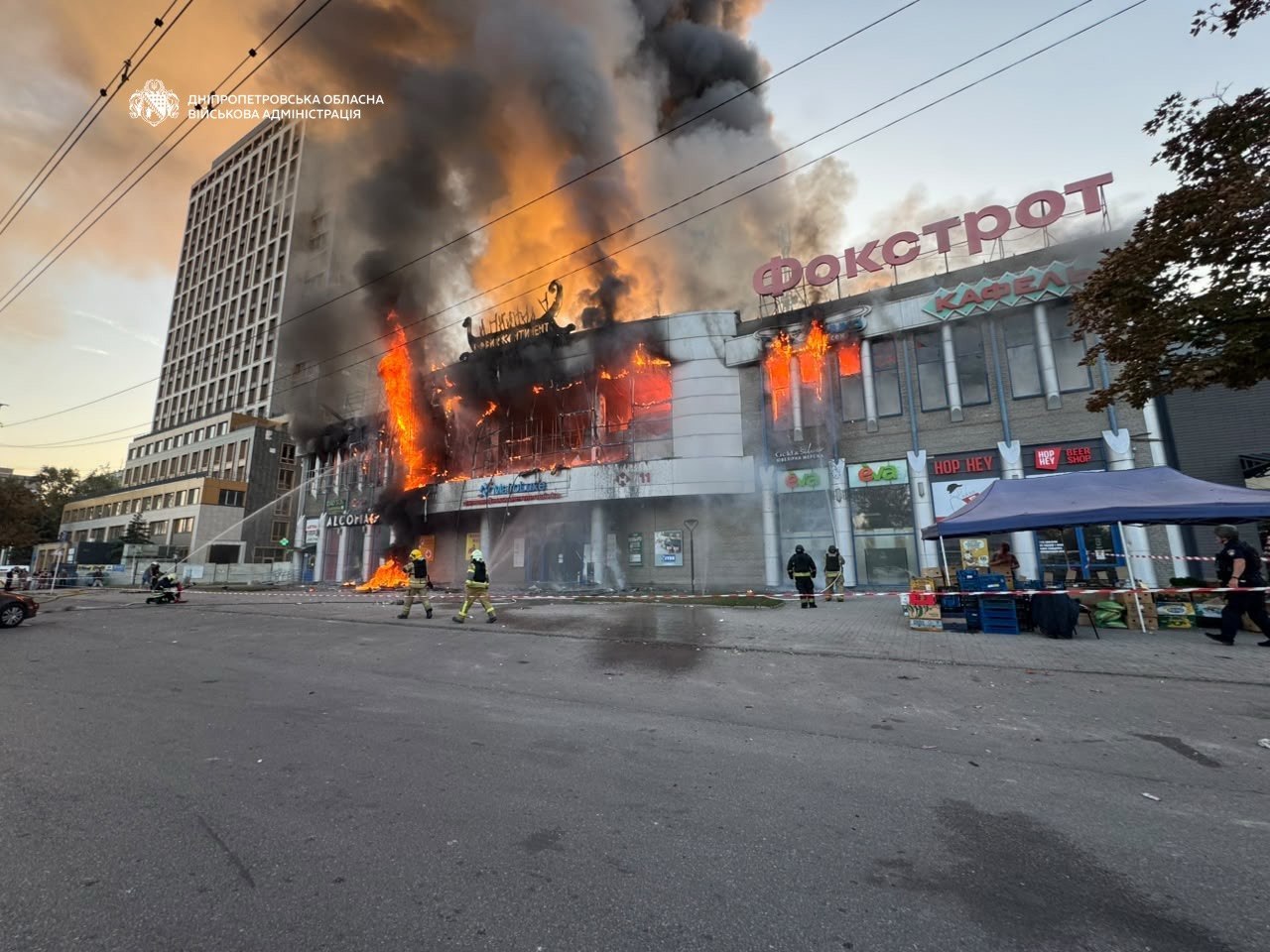
On June 15, Russia launched a massive attack on Kyiv. Among the targets was the Kyiv-Pechersk Lavra, a UNESCO World Heritage Site. On the same day, the EU Council on Foreign Affairs convened in Luxembourg.
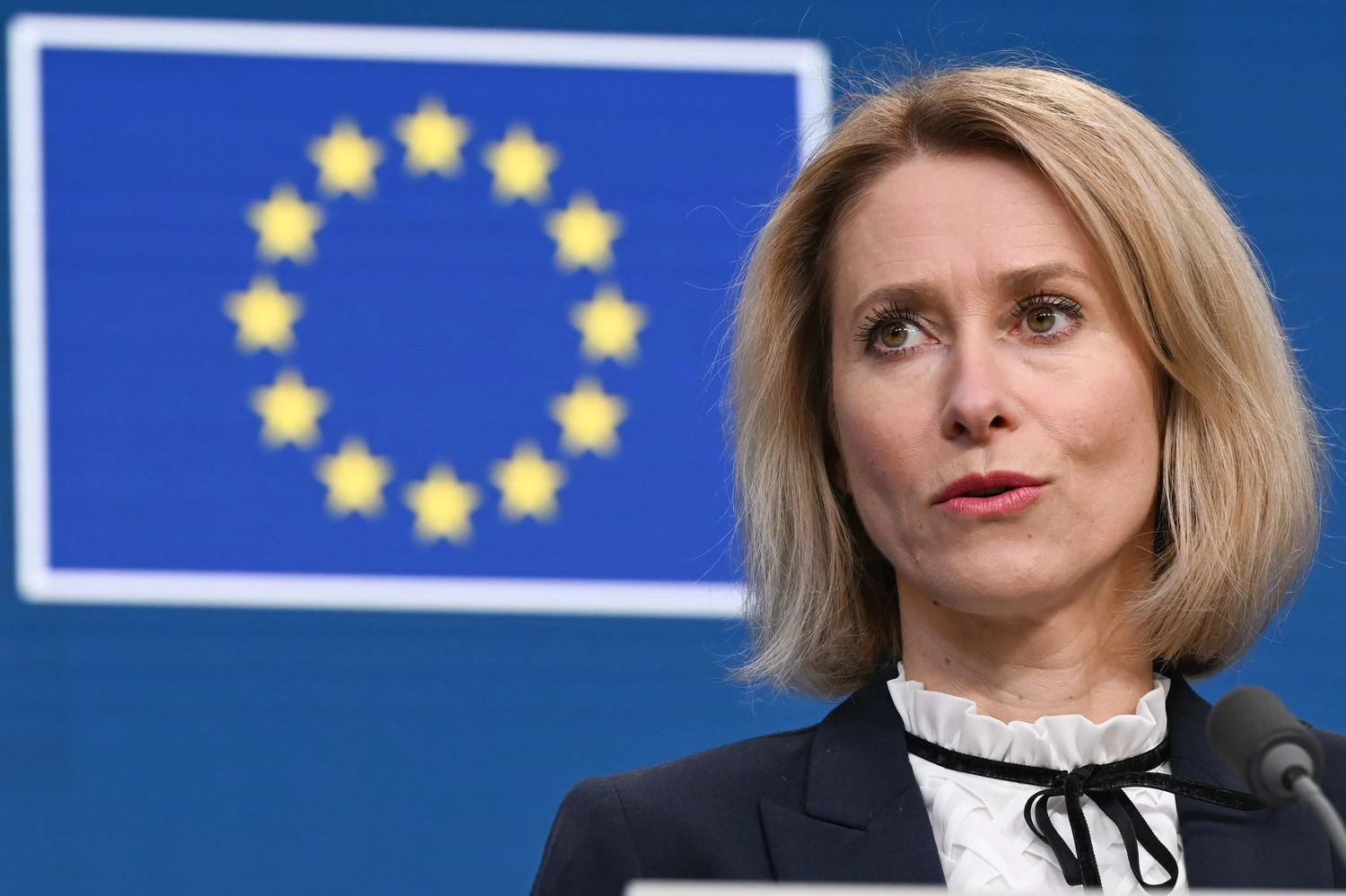
"All of this is a war crime being committed by Russia. Today we are introducing new listings and new sanctions against Russia's military-industrial complex, as well as the shadow fleet."
Kaja Kallas, EU High Representative for Foreign Affairs, before the meeting in Luxembourg
The EU Council approved restrictions against 34 individuals and 47 legal entities — companies from Russia, Turkey, the UAE, Liberia, Azerbaijan, and Hong Kong that supply components or finance Russia's military-industrial complex. A separate block — the "shadow fleet": vessels that allow Moscow to sell oil while circumventing the price cap.
What the "shadow fleet" means for the war budget
Each tanker in the shadow scheme is a way to circumvent the $60 per barrel price cap introduced by the G7. The more vessels in the scheme, the more oil dollars flow into Russia's budget. The new sanctions package introduces a rule: any vessel that supplies or refuels ships already on the list automatically falls under restrictions. This doesn't target individual vessels, but rather entire logistics chains.
According to estimates from Kallas herself, presented by the EU Council, Russia's cumulative losses from Western sanctions already amount to between €1 and €1.3 trillion. In parallel, preparations are underway for a full 21st sanctions package — it will cover the banking sector, LNG tankers, and crypto services that handle Russian transactions.
€6 billion for drones — first tranche already on its way
On June 25, at the Ukraine Recovery Conference, European Commission President Ursula von der Leyen announced a transfer to Kyiv of €3.2 billion — the first tranche of macro-financial assistance under a €90 billion loan. Separate from this — the first tranche of a €6 billion defense package aimed exclusively at drone procurement was to arrive "in the coming days."
The Verkhovna Rada ratified the loan agreement with the EU: 298 votes in favor. Overall, the €90 billion loan is designed for 2026–2027 and covers defense, energy resilience, and budget deficit needs. According to Reuters calculations, after budget amendments are adopted, Ukraine's defense spending in 2026 could reach a record $100 billion — compared to $61.4 billion in 2025. However, financing is tied to the fulfillment of conditions: anti-corruption reforms, transparency, and increased domestic revenues.
Do sanctions work — and where is their limit
Economic expert Hennadii Riabtsev, commenting to Focus, gave a restrained assessment: none of the sanctions packages have worked as planned. He considers the most real blow to the Russian economy not package restrictions, but the EU's voluntary decision to stop purchasing Russian gas — something that has never been included in any official package.
"As for gas, unfortunately, it continues to be sold into EU territory. The date for a complete phase-out is set for 2027. This means that Europeans, on one hand, were helping us financially, but on the other — continued giving money to Russians."
Hennadii Riabtsev, economic expert, commenting to Focus
While Brussels approves new restrictions packages annually and Moscow systematically finds jurisdictions to circumvent them — Turkey, the UAE, Hong Kong appear in several consecutive packages — the key indicator of effectiveness remains one: whether Russia's oil revenues are shrinking faster than it can reorient its exports. If the 21st package truly blocks LNG transits and cuts off crypto channels — the IMF predicts further deterioration of Russia's economic position by the end of 2026. If not — another wave of condemnations on X will remain exactly what it is.