One of the most attractive parameters of the Freya system is its price. $700 thousand per shot versus $3.8 million for the Patriot PAC-3 — and over $5 million for the modern PAC-3 MSE modification according to the latest U.S. Army budget requests. This is not a marketing figure: it is precisely this that determines the architecture of the entire project.
What is Freya and who makes it
The system is being developed by the Kyiv-based company Fire Point — a manufacturer of FP-1 and FP-2 drones, responsible, by estimates, for approximately 60% of Ukraine's deep strikes against Russia, and also the author of the Flamingo cruise missile. Now the company is deploying production in the direction of air defense.
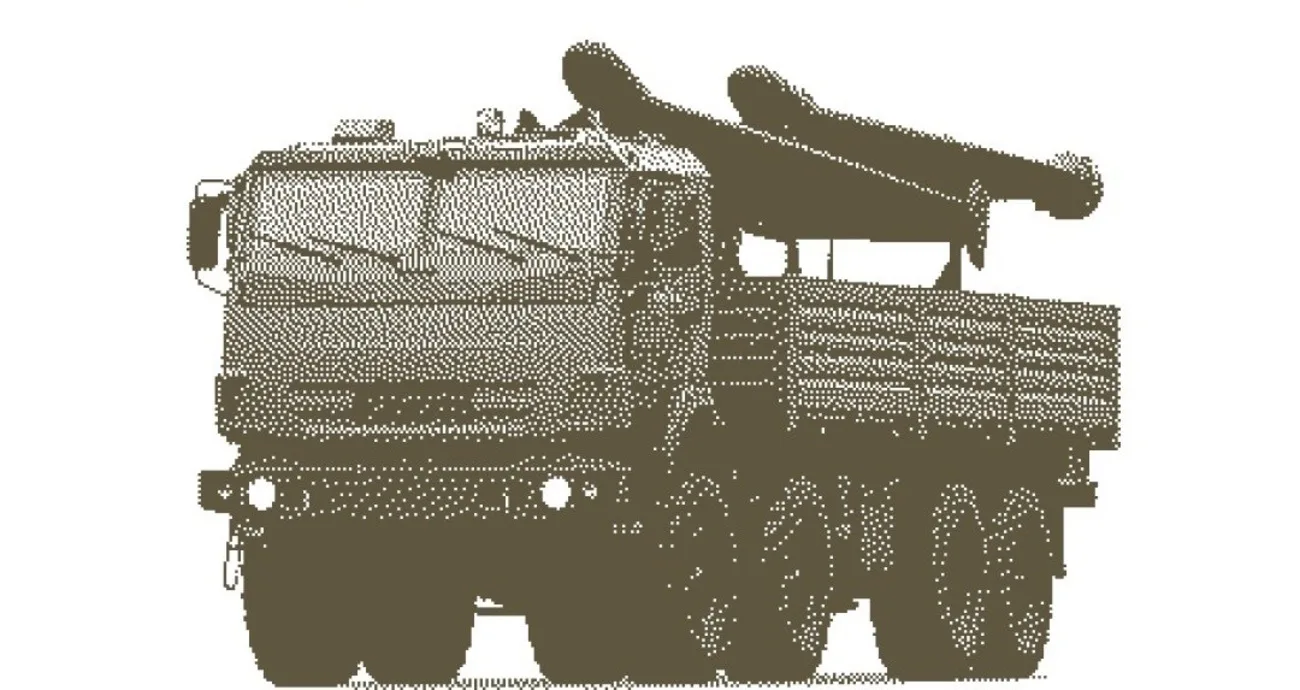
The basis of the system is the FP-7.X interceptor: a lightweight anti-ballistic missile made from composite materials with imaging infrared guidance and the ability to maneuver in the terminal phase. The latter characteristic is fundamental: according to Financial Times data, during the modification of the Iskander — Russia added terminal maneuvering in spring 2025 — Ukrainian interception rates fell from 37% to approximately 6%. Whether Freya will work against these schemes has not yet been confirmed: most of the FP-7.X testing took place in early June 2026.
The radar component is German. Hensoldt signed an agreement with Fire Point on June 16 at Eurosatory 2026 in Paris and is supplying its TRML-4D based on AESA technology, which provides detection and tracking of approximately 1,500 targets simultaneously. According to Hensoldt's general director Oliver Dörre, the cooperation "is an important step toward large-scale European contribution to ballistic missile defense." In addition to Hensoldt, negotiations are underway with Thales, Leonardo, and Kongsberg.
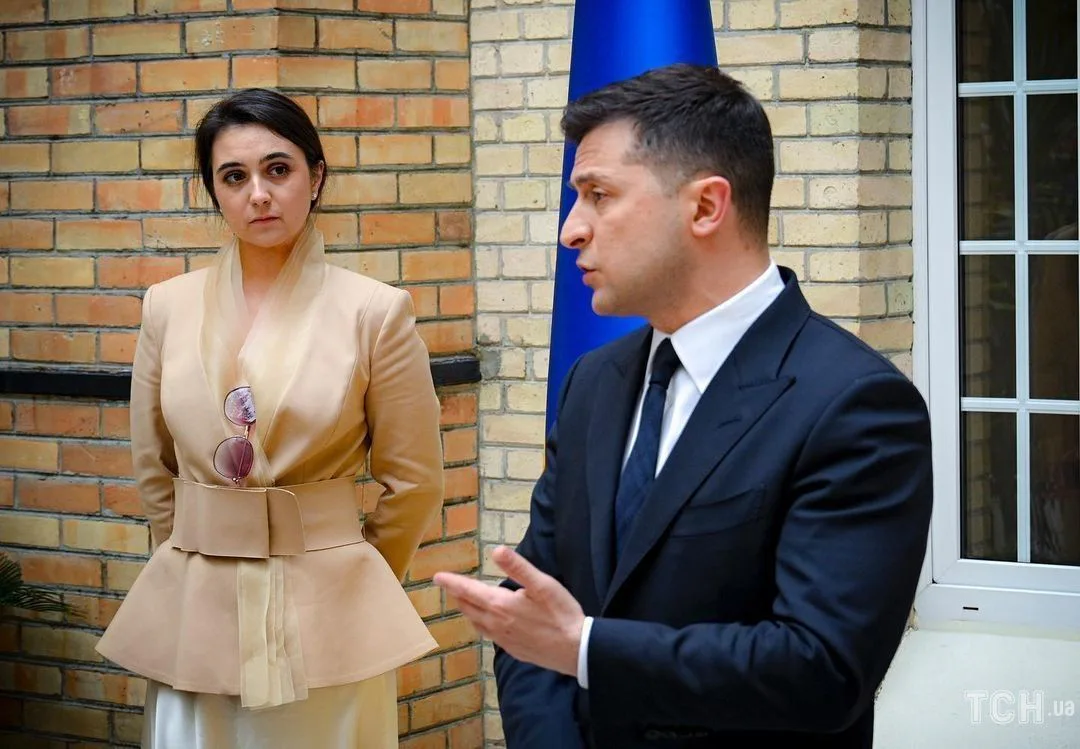
"Ukraine is ready to provide its part — the anti-ballistic missile. We are currently finishing work on it. This is a European model."
Volodymyr Zelensky, July 9, 2026
A coalition of eight countries — and what it means
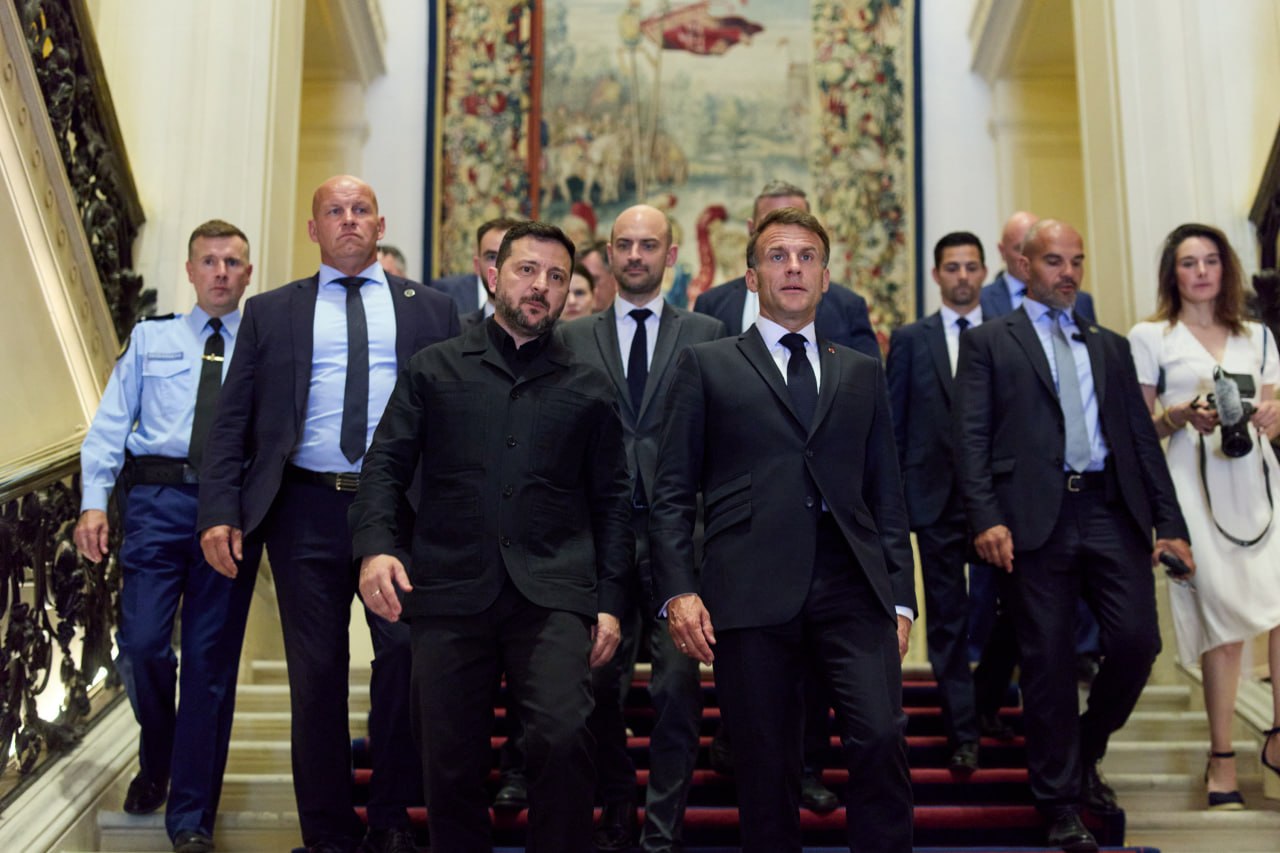
Eight European countries have joined the coalition — Zelensky did not disclose their names. French President Emmanuel Macron, British Prime Minister Keir Starmer, and German Chancellor Friedrich Merz were scheduled to co-chair the summit of the "coalition of the willing," which took place in Paris on July 13. Earlier that same day, Zelensky presented Freya at a separate meeting of the anti-ballistic coalition.
The context is important: this gathering took place two days after U.S. President Donald Trump agreed to issue Ukraine a license to manufacture its own Patriot missiles. Freya and Patriot are not interacting systems, but rather parallel tracks: the first under American control, the second — entirely under Ukrainian-European leadership. Fire Point co-founder Denys Shtileman specifically emphasized that the key difference of Freya is its independence from external control — modern Western systems often operate in a closed architecture where the supplying country essentially retains control over critical elements.
What is known about the timeline and what remains in question
- First flight test of FP-7.X — early June 2026.
- Mass production — scheduled for 3 missiles per day from August 2026.
- First interception of a ballistic target — by the end of 2027, according to Fire Point's claims.
- The complete Freya system — this is not just a missile, but also radars, command centers, integration: which part will be ready "within a year," Zelensky did not specify.
Russia changed the kinematics of Iskanders after Patriot demonstrated its effectiveness. If FP-7.X does not demonstrate the ability to work against maneuvering targets under real conditions by the end of 2027 — the $700 thousand price tag will cease to be an argument: the coalition needs an interceptor, not a cheaper failure.