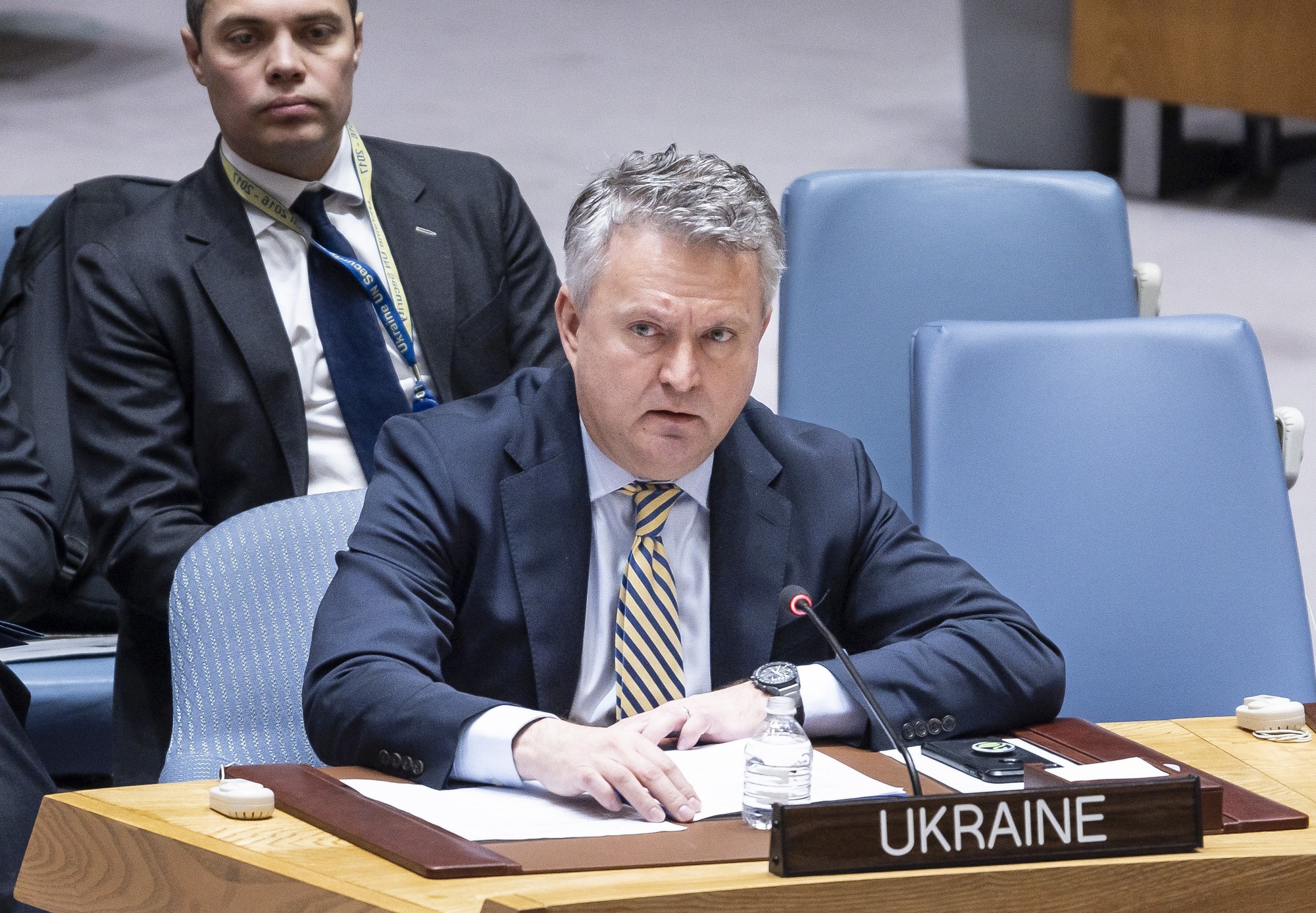
A Dramatic Night in the Security Council Chamber
Deputy Head of the Office of the President Serhiy Kyslytsya, who in February 2022 was Ukraine's Permanent Representative to the UN, told the BBC about a moment that still seems absurd to many diplomats: at the time when the first Russian strikes had already begun, the UN Security Council was formally chaired by Russia.
According to Kyslytsya, until 10:00 p.m. (New York time) representatives in the chamber were being assured that there would be no attack. When information about the strikes came through on phones, the Ukrainian delegation demanded explanations from Russia.
"I urged the Russian permanent representative to call Lavrov so that he would explain the situation. But he calmly replied, 'I am not going to wake anyone up.'"
— Serhiy Kyslytsya, Deputy Head of the Office of the President (in 2022 — Permanent Representative of Ukraine to the UN), interview with the BBC
Why it matters
This episode has several dimensions. First, it demonstrates a symbolic and practical rupture between UN procedural norms and the actions of an aggressor state: when those who preside are simultaneously attacking, the effectiveness of immediate response mechanisms falls sharply.
Second, the very fact of refusing to "wake" a minister is not only diplomatic audacity but also an indicator of how the Kremlin planned the operation and the extent to which international formalities were secondary for it. As diplomats in New York and international analysts note, such cases undermine trust in procedures meant to prevent escalation.
Context — fourth anniversary and international reaction
This testimony comes against the backdrop of the fourth anniversary of the full-scale invasion — the day when world leaders came to Kyiv and European partners reaffirmed their solidarity. The memory of that night underlines that critical security questions are often settled not on podiums but in situations where information reaches people through phones and corridors.
What next
Kyslytsya's episode is not only a chronicle of misconduct but also a basis for practical conclusions: are the current UN rules sufficient to respond to a state that simultaneously uses the procedure and violates the peace? Analysts remind that actions must be transformed into changes in response mechanisms, and symbolic condemnations into concrete decisions by partners and institutional reforms.
The question that remains: will international institutions draw the necessary conclusions so that in the future a similar "silence in the chamber" does not become a cover for aggression?





