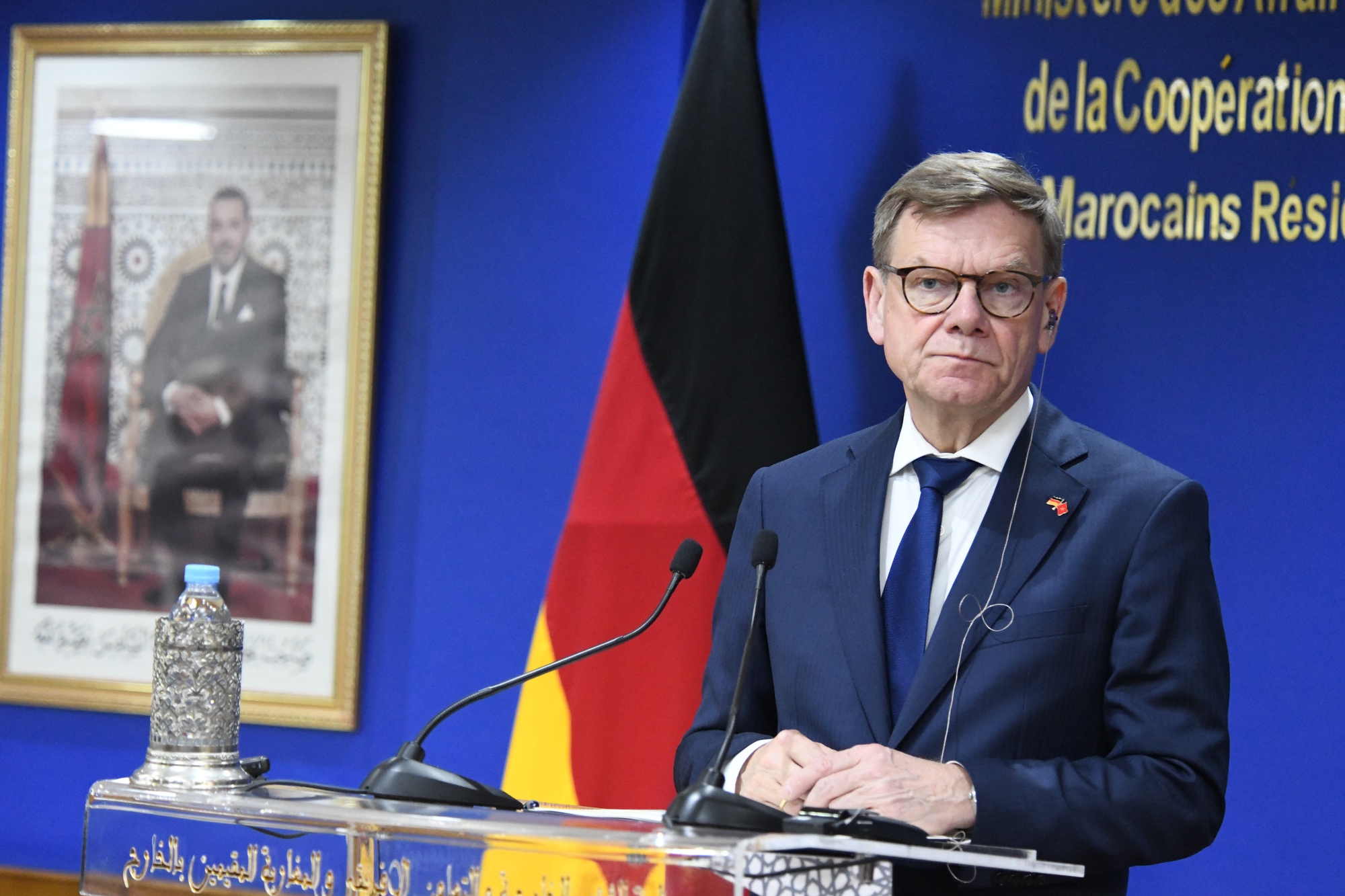
When Zelensky published an open letter to Putin proposing direct negotiations, diplomatic Europe responded with its own signal. Not through Kyiv and not through Washington — through Mexico.
What Baerbock said and why
German Foreign Minister Annalena Baerbock, while visiting Mexico, appealed to Putin to begin negotiations. But the main point of her statement was not this appeal — it was the condition she set immediately.
"This is about the security of the European continent, about possible security guarantees for Ukraine and its path to the European Union. These issues cannot be resolved without Europeans."
Annalena Baerbock, German Foreign Minister
This is a direct response to the format that has de facto emerged earlier: negotiations between the USA and Russia without EU participation. Berlin is making it clear that any agreement signed over the heads of Europeans will not have their support.
Three topics without which Berlin will not recognize the agreement
Baerbock outlined a specific cluster of issues that, in Berlin's view, cannot be resolved without Brussels and EU capitals:
- Security guarantees for Ukraine — the minister previously insisted that they should be "very close to NATO membership" and that violations of these guarantees would mean an attack on Ukraine;
- Ukraine's path to the EU — a question that is legally within the Union's competence, not within the scope of bilateral agreements between Washington and Moscow;
- Architecture of continental security — something that cannot be the subject of an agreement between two countries that are not EU members.
Where the declaration diverges from the mechanism
The call to "sit at the table" is not accompanied by any specific format: Baerbock did not name a date, venue, or list of participants. Earlier, commenting on the Geneva consultations, she described as "decisive success" the very fact that NATO and European issues were excluded from the American draft agenda — in other words, she was effectively defending the right to participate in the process rather than a specific outcome.
The Kremlin did not respond to the statement from Mexico. After Zelensky's letter was published, press secretary Dmitry Peskov only noted that Putin would be informed about it — and invited Zelensky to "come to Moscow at any time."
Context: why Mexico, why now
The choice of venue is not accidental. Latin America remains a zone where Russia traditionally seeks neutral intermediaries. Baerbock's meeting with Mexican counterpart Roberto Velasco is a signal to this region: Berlin is conducting active diplomacy not only in Brussels and Washington.
In parallel, the European Council approved a 90 billion euro loan to Ukraine for 2026–2027 — a financial argument that backs the EU's claim to a place at the negotiating table.
If the USA and Russia do reach an agreement on the format of direct consultations — without a fixed place for Europe at the table — will Berlin have the leverage to influence the content of the agreement rather than merely block its implementation?





