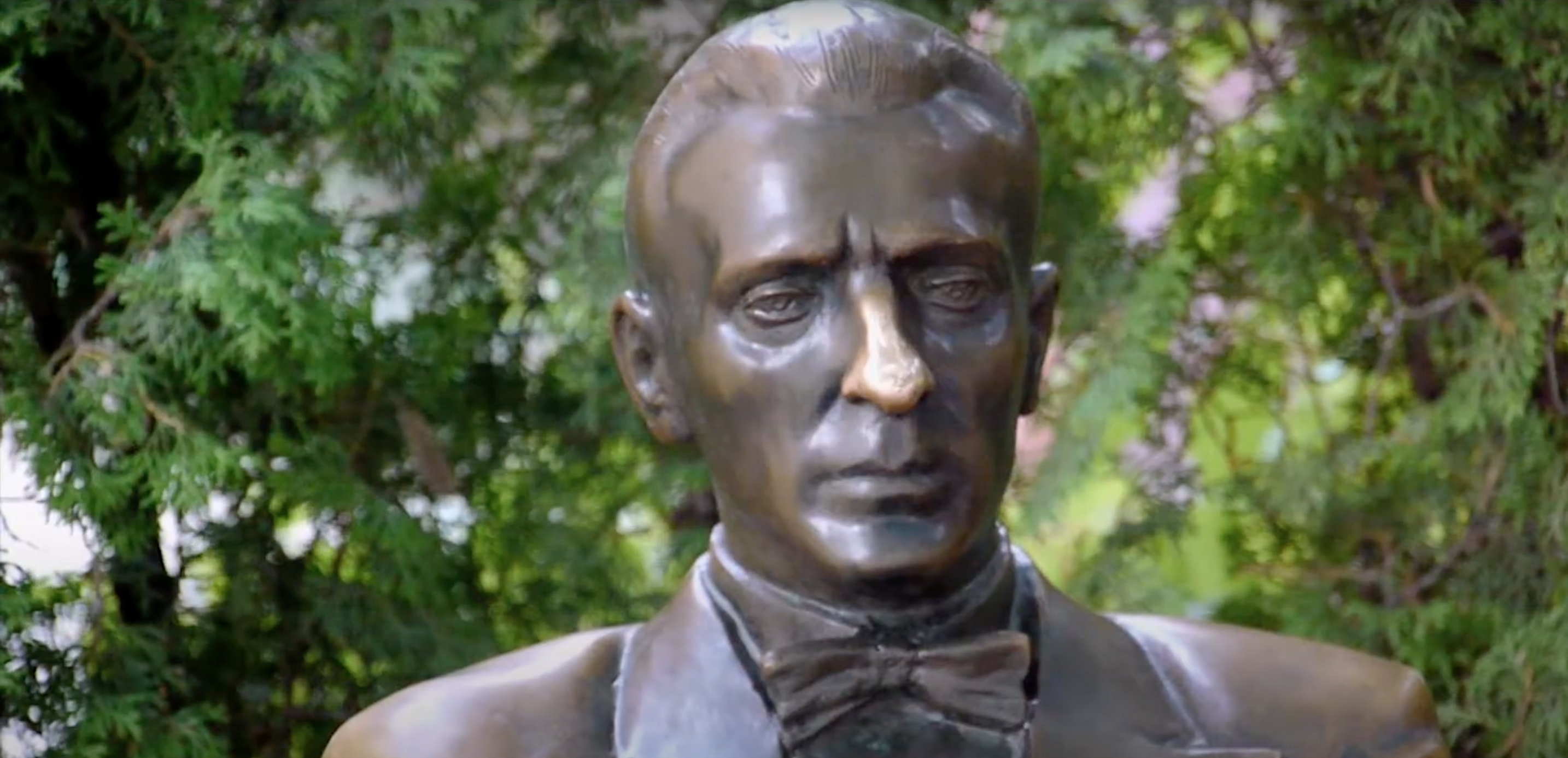
On June 4, on Andriyivskyy Descent, utility workers loaded a bronze figure of Mikhail Bulgakov into a truck. This frame sparked a wave of posts about "destruction of culture." However, as historian and NGU officer Vakhtang Kipiani notes, the discussion was delayed by at least a year.
A Decision Made Without a Fight
The chronology of events leaves no room for a version of a sudden or arbitrary decision. As early as March–April 2024, the Ukrainian Institute of National Memory officially recognized all objects related to Bulgakov as symbols of Russian imperial politics. That same month, a petition for the monument's demolition gathered over 6,000 signatures—enough for mandatory consideration by Kyiv City Council. A counter-petition against demolition collected only 2,836 votes.
In October 2024, a Kyiv City Council working group supported the dismantling. On December 18, 2025, the council made a final decision. In other words, more than 14 months passed between the first official conclusion and the physical removal.
"Defenders of the monument were almost invisible until the moment it was removed. Now they are active on social networks—but the moment to influence the decision has already passed."
Vakhtang Kipiani, historian, officer of the Khorunzha Service of the 2nd Corps of the NGU "Hartiya," for LIGA.net
What Was Actually Decided
Kipiani emphasizes: the question was not about assessing Bulgakov's literary legacy, but about who has the right to shape the symbolic space of the city. The full-scale war did not change the logic of this process—it only accelerated its pace. The decolonization of Ukrainian cities had been ongoing before, just more slowly.
The Bulgakov Museum on Andriyivskyy Descent continues to operate. The dismantled monument was handed over to the heir of sculptor Mykola Rapaia. The Poltava Art Museum named after Viktor Bazhan has already expressed a desire to purchase the sculpture as an artistic object. Meanwhile, two new petitions were registered on the Kyiv City Council website—with proposals for who should be installed instead.
The Technology of Defeat
The Bulgakov case demonstrates a specific mechanism: decisions about symbols in public space are made through formal procedures—conclusions of institutions, petitions, council votes. These procedures are open for participation before a decision is made, not after. A surge of social media activity after demolition is already a commentary on the event, not an influence on it.
Kipiani states this directly: if defenders of any object do not register their position during the petition-gathering and hearing phase, they effectively hand over the decision to those who have come. The same applies to opponents of the demolition of any other monument.
Next on the Kyiv City Council agenda are decisions regarding other objects with UINP conclusions: monuments to Glinka, Akhmatova, and a commemorative plaque to Tchaikovsky. If the audience that today is outraged in comments over Bulgakov does not appear at the stage of petitions and working groups—the result will likely be the same.





