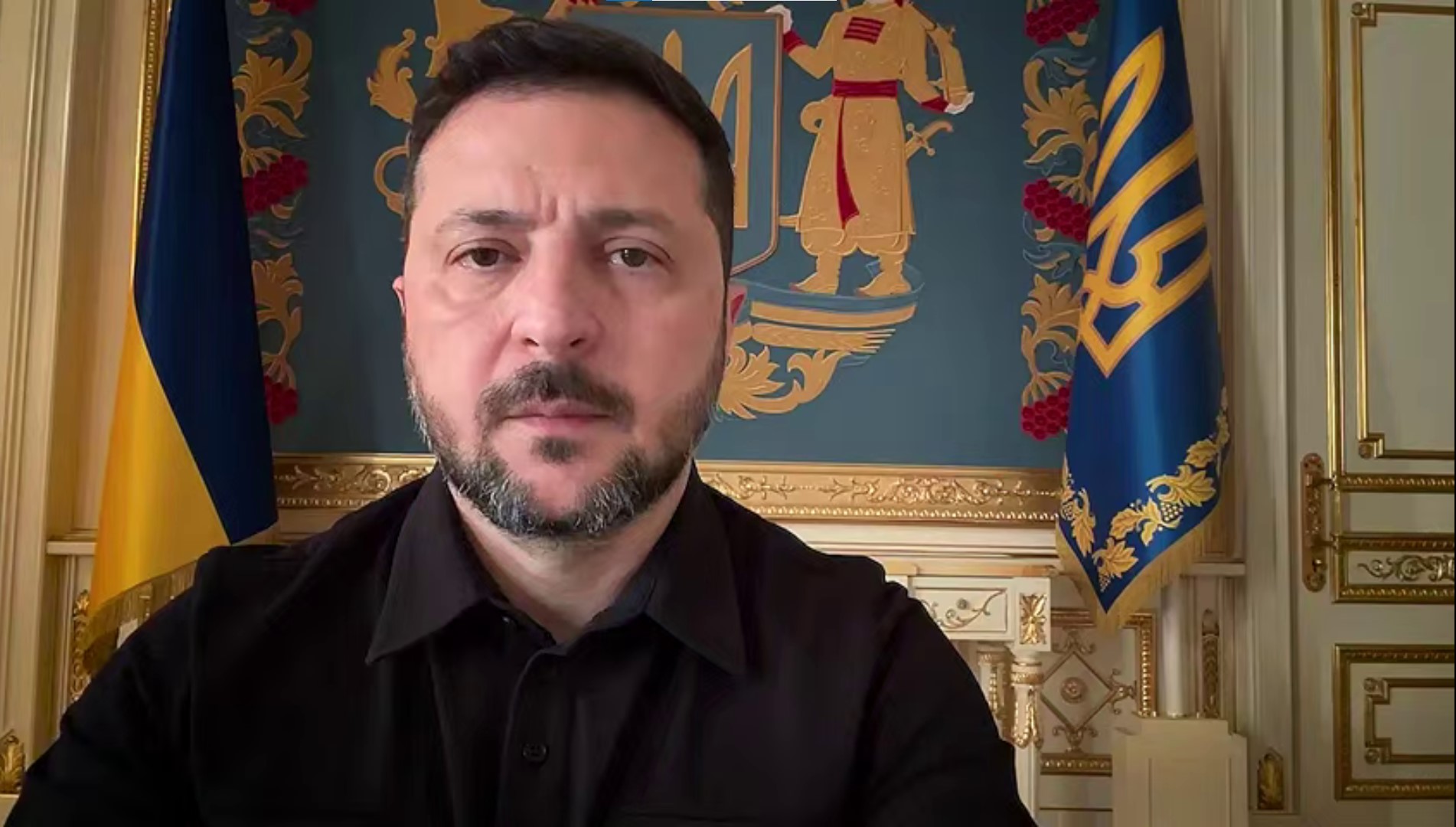
President Volodymyr Zelensky has outlined the agenda for two of the most important international forums in the coming weeks — the G7 summit and the NATO summit. According to him, Ukraine is coming not with abstract requests, but with concrete proposals.
Three axes of negotiation
The first is the architecture of European security under conditions of prolonged war. Kyiv insists that any discussion about "continental stability" without clear commitments regarding Ukraine is a conversation in a vacuum.
The second is the so-called Drone Deals: bilateral agreements on joint production and supply of unmanned aerial vehicles. Zelensky is promoting a model in which partners don't simply provide equipment, but localize production — partially on Ukrainian or adjacent territory.
The third axis is so far the least public: Zelensky announced "other topics" without elaborating. Based on previous negotiation rounds, this concerns frozen Russian assets and conditions for possible ceasefire.
Why now
Both summits are taking place at a moment when Western military assistance has slowed again — not due to a lack of decisions, but due to lack of pace in their implementation. Drone Deals in this context is an attempt to bypass the bureaucratic cycle: instead of waiting in line for budget approvals, create a direct industrial connection.
The risk for Zelensky is obvious: summits generate communiqués, not weapons. If Drone Deals remain framework agreements without delivery schedules and verification mechanisms — this is a repeat of the already familiar scenario with support packages that are announced loudly but implemented quietly and slowly.
The scale of stakes
According to analysts at the Kiel Institute, the pace of new G7 country commitments to Ukraine in the first quarter of 2025 has fallen to the lowest level since the beginning of the full-scale invasion. Against this backdrop, the unmanned aerial vehicle initiative is not just military logistics, but a test of whether allies are capable of moving from declarations to industrial cooperation during an active phase of war.
If Drone Deals receive concrete deadlines and a public accountability mechanism — this changes the logic of assistance. If not — how does this format differ from previous "packages" that few remember anymore?





