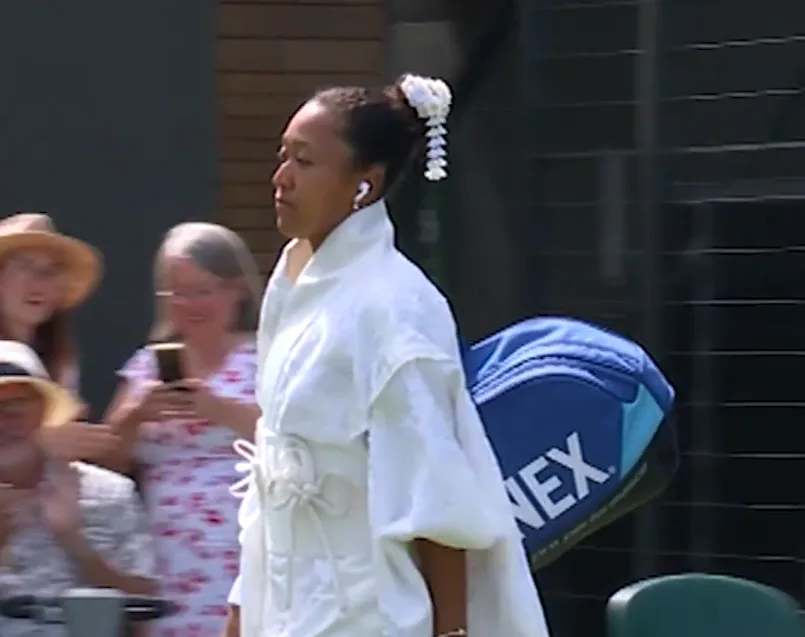
Wimbledon is used to a white dress code. But Naomi Osaka's white kimono is a different story altogether.
For her first match of the tournament, the Japanese-American tennis player took the court in an image that fans of Quentin Tarantino immediately recognized: the silhouette of O-Ren Ishii from "Kill Bill" — the character played by Lucy Liu, a Japanese-American assassin with a samurai code. After her victory over French tennis player Elsa Jacquemont, Osaka explained her choice directly: Japanese heritage, personal connection to the character, a conscious decision.
This is not the first time Osaka has used the court as a platform for expression. In 2020 at the US Open, she took the court wearing masks with the names of victims of police violence. That sparked controversy. Now — enthusiasm.
The difference is telling. Osaka is no longer formulating protest — she is building a narrative about her own identity through culture that is close to her. The kimono fits within Wimbledon's white dress code technically, but semantically breaks away from it entirely. This is a precise move: follow the rule while simultaneously rewriting its meaning.
Beyond the tennis context, this is part of a broader discussion about how athletes of mixed heritage — especially those who represent both Japan and the United States simultaneously — navigate between cultures publicly. Osaka was born in Japan, grew up in America, competed for both national teams. The question "who are you" has accompanied her career from the beginning.
The kimono does not answer this question. But it clearly shows who is asking it — and who is no longer going to apologize.
Whether this gesture becomes a turning point for a new norm of self-expression in sports with strict dress codes will depend on whether federations support such freedom when the next athlete takes the court with something less aesthetically convenient.







