What came in on line 102
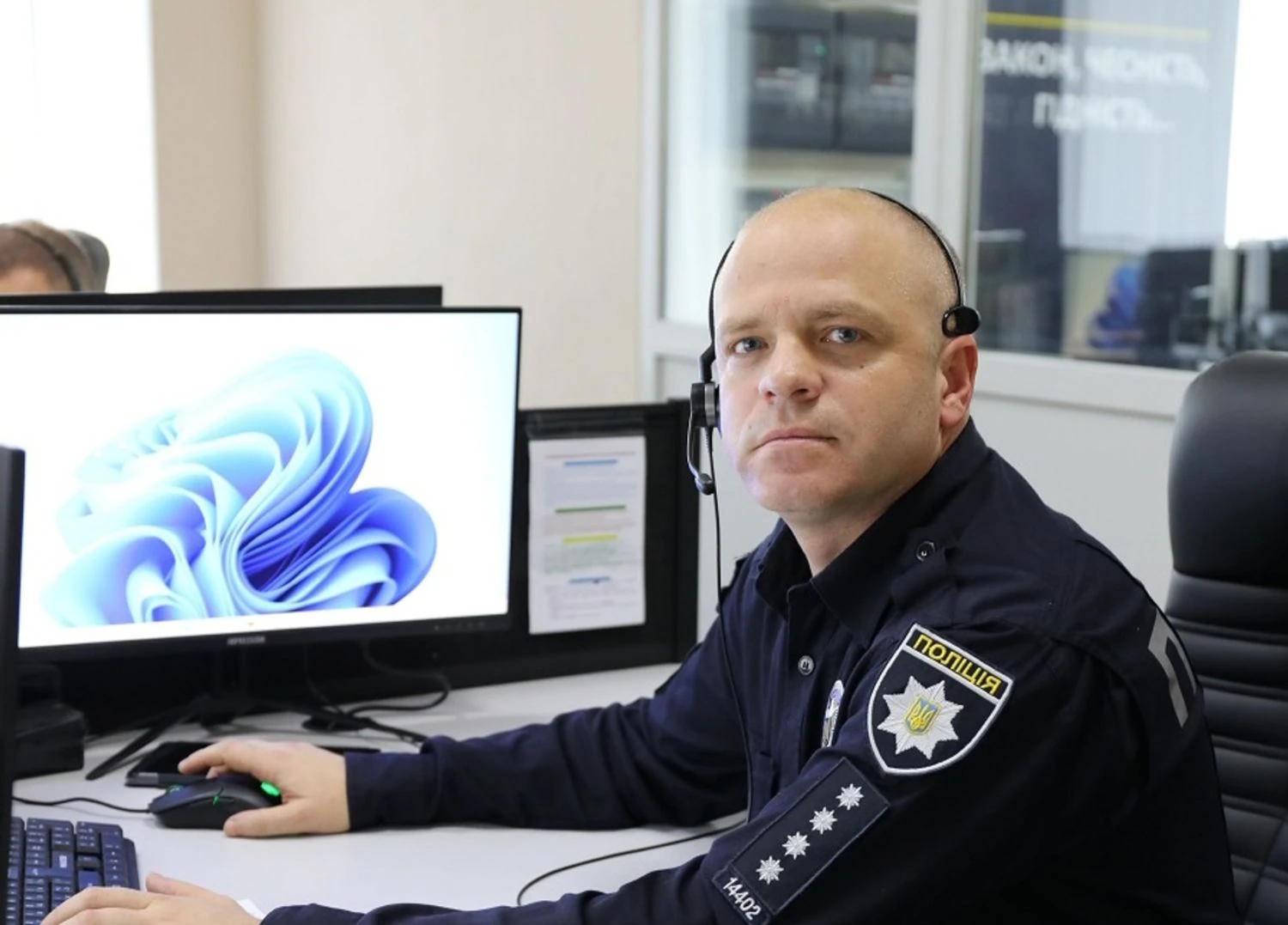
The Main Directorate of the National Police in Kyiv, as UNN reports, published a list of atypical calls that rapid response dispatchers receive daily. Among the examples — a light dot in the sky (suspected UFO), a request to take action against a man climbing onto a roof, complaints about being unable to connect to Wi‑Fi, a call about a bat in an apartment, and others.
- A woman reported that a man "might climb onto a star" on the roof;
- A man could not connect to his home Wi‑Fi, although his neighbor could;
- Suspected UFO — a light dot in the sky;
- A complaint that opening a window triggers an air raid alarm;
- A man who expected to buy methadone complained that "the police took the goods";
- A young woman asked for help with a bat that flew into her apartment;
- A Kyiv resident accused the police of seizing drugs from him;
- A woman requested a permanent police officer to pick up a 5‑year‑old child from kindergarten.
"Every report is a living person with their own problem. Even if the situation seems strange or causes a smile — we treat each message attentively and try to help."
— Main Directorate of the National Police in Kyiv (quoted by UNN)
Why it matters
At first glance — humor, at second — a test of the system's resilience: such calls demonstrate that dispatch services are working, receiving and processing information and coordinating units. In times when security is a priority, the ability to promptly filter emergency reports from non-urgent ones largely determines the effectiveness of response.
Moreover, these calls are an indicator of civic activity. People call not only with criminal reports but also with everyday problems, which indicates trust in the system: they expect a response from public services.
Context and consequences
According to police data, on the night of December 31 to January 1 no serious public order violations were recorded. This is an important fact: even during the holiday period the capital's services maintained order, and atypical calls did not divert resources from real threats.
Conclusion
Quirky calls are not just anecdotes for the news feed. They show how the security infrastructure works and how active the community is. The state must maintain a balance: improve responsiveness while also explaining to citizens how to properly use line 102 so that emergency calls are not lost among everyday problems.
Question for discussion: is enough attention being paid to preventive communication to reduce the number of non-emergency calls and focus resources on priority cases?