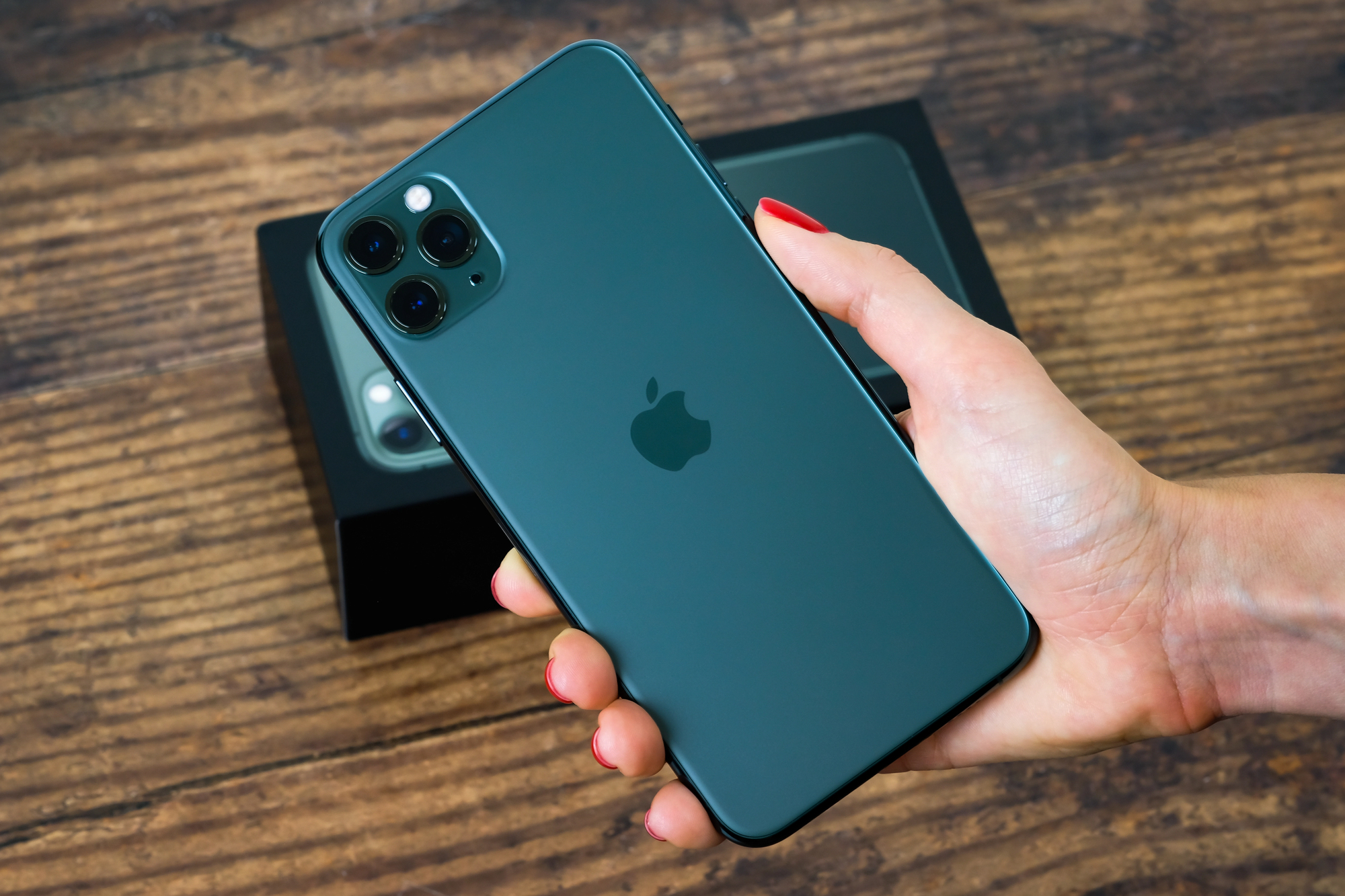
Apple officially confirmed the date of WWDC 2026 — the developer conference starts on June 8. That's when the company traditionally announces a new operating system version for iPhone. However, even before the official presentation, leaks appeared online about which devices will receive iOS 27 — and which will be left behind.
Which models may lose support
According to sources close to Apple's supply chain, four models that still have a significant number of active users are at risk:
- iPhone XR
- iPhone XS
- iPhone XS Max
- iPhone 11
All four run on A12 Bionic or A13 Bionic chips — and it's precisely the hardware limitations of these processors that, according to insider data, became the main argument for exclusion. iOS 27 may require capabilities that these chips are physically unable to provide — primarily in the context of expanded Apple Intelligence functionality.
How many people does this affect
The iPhone 11, upon its 2019 release, became one of the best-selling iPhones in company history. According to CIRP analysts' estimates, in 2020–2021 it held a share of over 20% among all active iPhones in the United States. The global audience of the four potentially excluded models numbers in the hundreds of millions of devices.
For their owners, this means not just the absence of new features. Devices that fall out of the update cycle gradually stop receiving security patches — and this is no longer a matter of convenience, but of vulnerability.
Why Apple is cutting support faster
Previously, Apple supported devices for an average of 5–6 years. The iPhone XR was released in 2018 — meaning by iOS 27 it would reach only seven years of support, which would have been a record. However, Apple Intelligence, which the company is aggressively promoting as the central element of its ecosystem, requires significantly more powerful hardware than what's available in devices from 2018–2019.
This creates a classic conflict: marketing pressure toward new features directly shortens the useful life of older devices. Apple is not the first company to take this path, but given its products' premium pricing and positioning as an "environmentally responsible" manufacturer — the decision will inevitably face criticism.
No official position yet
Apple has not commented on compatibility leaks before the official announcement. WWDC 2026 will provide answers on June 8 — and that's when it will become clear whether the insiders' claims are confirmed, or if the company finds a way to preserve support at least partially through a limited version of iOS 27 for older devices — as it has already done with certain features in the past.
The question remains open: if Apple officially confirms the exclusion of iPhone 11 from support — will it be obligated to continue providing security patches separately from the main update, as EU legislation already requires regarding device support duration?







