Briefly — why this is worth knowing
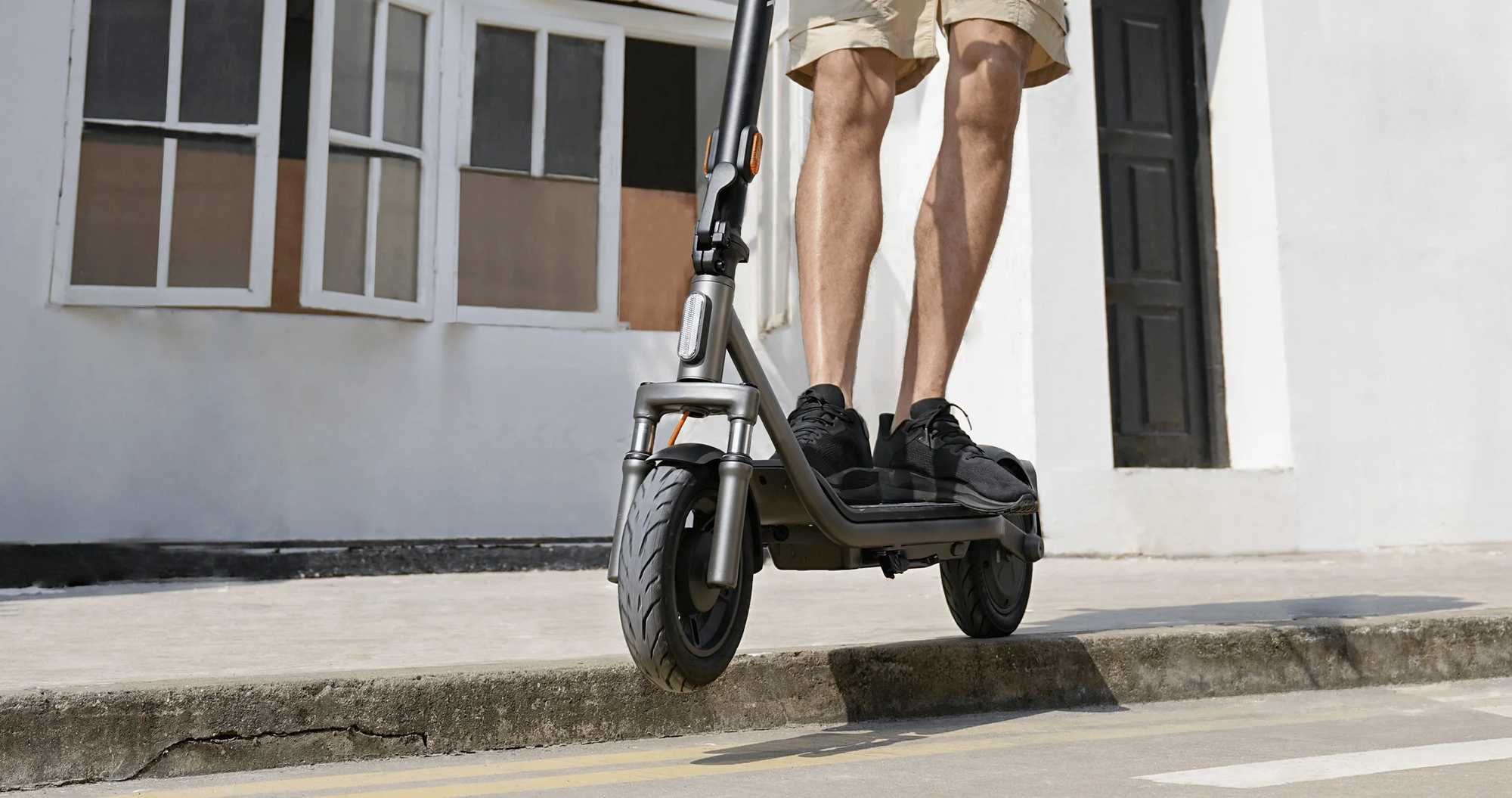
Xiaomi has officially announced the Electric Scooter 6 Lite on its global website. It is the lightest electric scooter in the lineup — weighing 18.1 kg with a maximum load of up to 100 kg. For an urban ride, not only speed matters but also maneuverability, portability and reliability — and the 6 Lite focuses precisely on these characteristics.
"This is the lightest electric scooter in our lineup"
— Xiaomi, global site
Tech: what's under the hood
The model is equipped with a motor with power up to 500 W, allowing it to reach 25 km/h and climb inclines of up to 15%. A battery capacity of 216 Wh provides the advertised range — up to 25 km at 15 km/h or up to 20 km at top speed. For city use this means comfortable last-mile trips or daily routes within a neighborhood.
The braking system combines a front drum brake with a rear E-ABS system that prevents wheel lock. The handlebar features a display showing speed, mode and battery charge; there is a 2.5 W headlight and a rear brake light. Control and monitoring are available via the Xiaomi Home app — route viewing and remote locking of the device.
Who it's suited for
Thanks to its 18.1 kg weight, the scooter is convenient for users who carry the device up stairs or store it in a trunk. A maximum load of up to 100 kg makes it an option for a wide range of users: from students and couriers to those looking for a compact alternative to a car for short trips.
Why this matters for Ukraine
Urban mobility amid infrastructure transformation and fuel savings is becoming an everyday issue. A light and relatively energy-efficient scooter is not about showmanship but about practical savings of time and resources. It complements public transport, reduces pressure on parking spaces and provides more travel options amid traffic restrictions or road repairs.
What's next
While the important technical details are already known, the main questions remain: availability in Ukraine and price. If the model arrives at a reasonable cost, it has every chance of becoming a mass urban mobility tool. Whether Ukrainian cities and users are ready to switch to such compact mobility is a matter of time and market access policy.
"Modern urban mobility is not only speed, but the ability to adapt to the realities of the city"
— RazomUA, analytical perspective