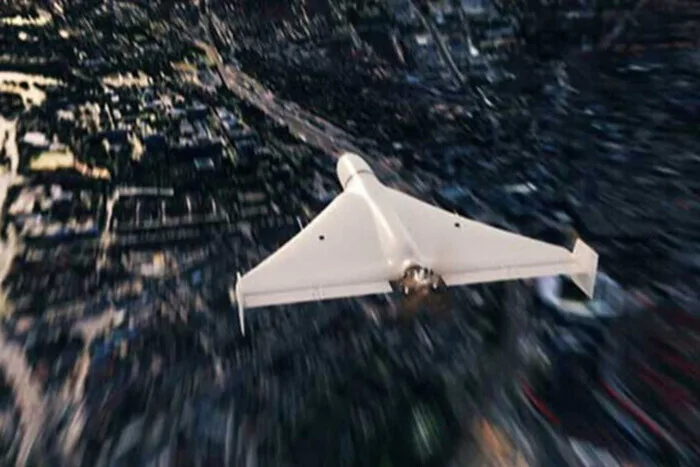
The overall figure for the overnight attack on October 11 looks almost reassuring: of 116 drones, air defense shot down or suppressed 94, or about 81%. But if you break down the Air Force report by type, a different picture emerges: effectiveness depends heavily on exactly what is flying.
Jet-powered versus the rest
According to the Air Force, the enemy launched 116 strike drones of the Shahed and Gerbera types, as well as Parodiya decoy drones. Of these, 95 were jet-powered Shahed drones. As of 08:30, 74 of those 95 had been shot down or suppressed.
A simple calculation gives the following figures:
- jet-powered: 74 of 95, about 78%;
- the rest (piston-engine Shaheds, Gerberas, decoys): 20 of 21, over 95%.
This is our own arithmetic based on the published numbers, not official statistics. The report does not specify how many piston-engine drones and decoys were in each group. But the gap is noticeable: air defense handles older, slower targets almost completely, while letting jet-powered ones through much more often.
What “suppressed” means
The Air Force deliberately writes “shot down/suppressed.” This category combines two different things: a drone physically destroyed by fire teams or aircraft, and a drone knocked off course by electronic warfare systems. The latter may not have exploded, but it did not necessarily vanish either.
That is why the report has a separate line on the fall of downed drones and debris — at nine locations. For residents, this is a practical difference: debris can damage a house or a power line even when a drone is counted as downed.
Where the other 12 went
Of the 116 drones, 94 were downed, and 10 hit targets at seven locations. That makes 104 in total. A further 12 are not accounted for in the report. Some were probably still in the air at the time of the report: the Air Force noted that the attack was ongoing and that about ten enemy drones remained in the sky. However, only an updated report will show the final picture.
This is a typical feature of morning data: it is preliminary, and the final figure usually differs. So comparing the “percentage downed” between different nights is only valid using final figures and the same methodology.
According to preliminary data, as of 08:30, air defense shot down/suppressed 94 enemy drones of the Shahed type (74 of them jet-powered), Gerbera, and other types.
What follows from this
If the share of jet-powered drones in nightly attacks grows, the overall “percentage downed” will fall, even if air defense performs as well as before. That is why it is more useful to track not a single total figure but how many jet-powered drones broke through.
So the main question for upcoming reports is whether the result against jet-powered drones will approach the 95% that air defense achieves against the rest. If not, 10 hits at 7 locations will become not the exception but the norm for such nights.