Briefly: scale of displacement
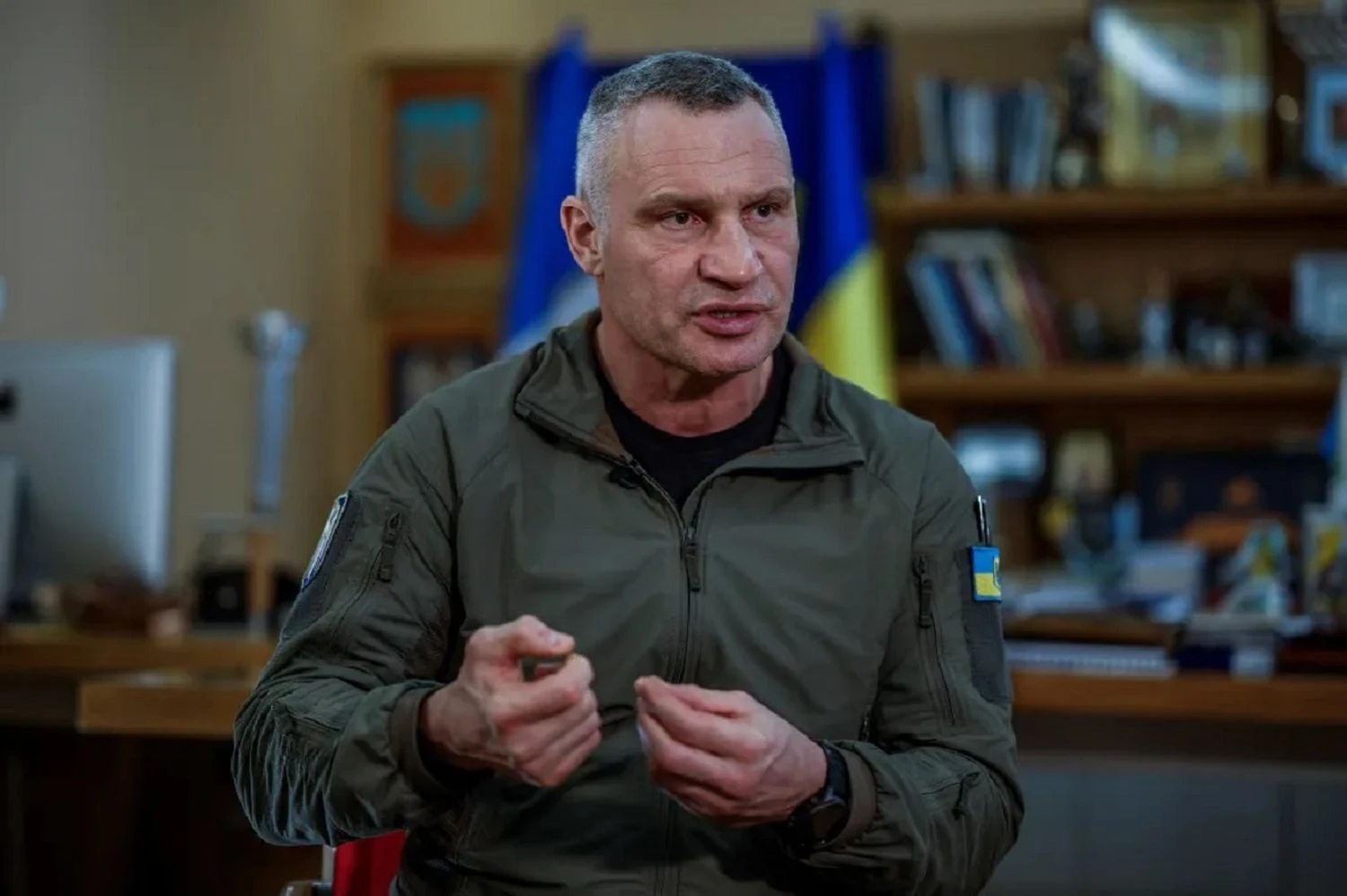
Kyiv Mayor Vitali Klitschko reported that after Russian strikes on January 9, roughly 600,000 residents left the city. The information was reported by UNN citing The Times. This is not just a statistic — it is an indicator of how strikes on infrastructure are changing the demographics and the rhythm of life in the capital.
What happened to services
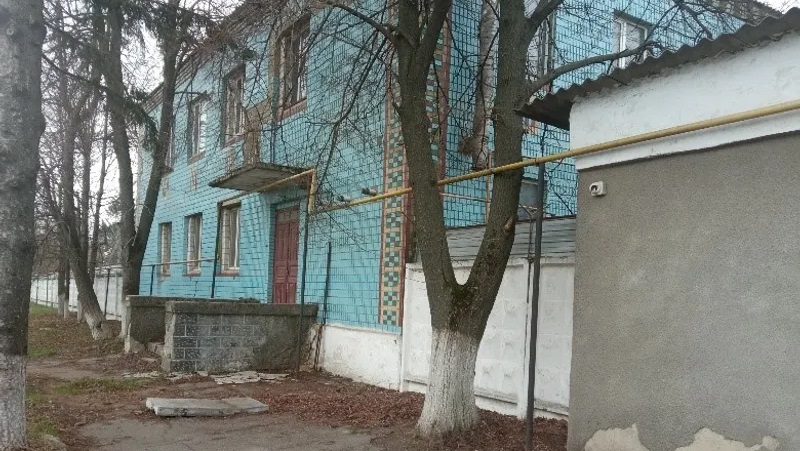
According to Klitschko, as a result of the attacks a large number of buildings were left without heating: currently about 5,600 apartment buildings are without heat. The mayor gave the example that in some homes it is so cold that the water in toilets is freezing. The government reported that water supply in Kyiv was fully restored after another hostile attack during the night of January 20; at the same time President Zelensky said on January 20 that more than one million consumers remain without electricity.
"Not everyone can leave the city, but at present the population is decreasing"
— Vitali Klitschko, mayor of Kyiv
Why this matters
Attacks on critical infrastructure have several simultaneous effects: they force people to evacuate, increase the burden on evacuation and aid logistics, and also create additional health and safety risks for those who remain. Analysts note that shutting off heating and electricity in autumn or winter greatly increases the likelihood of humanitarian problems, even if the direct losses from shelling are relatively localized.
What to do next
In the short term, restoration of heat supply must be accelerated, hospitals and critical facilities provided with generators, and aid corridors established for those who have left or who have nowhere to evacuate to. In the medium and long term, protecting infrastructure and modernizing systems becomes important so that strikes do not lead to mass displacements in the future.
It is now important that partners' pledges of assistance turn into concrete deliveries of equipment, repair crews, and funding for recovery. Without that, the figure of 600,000 may become only the first page of a major social problem.