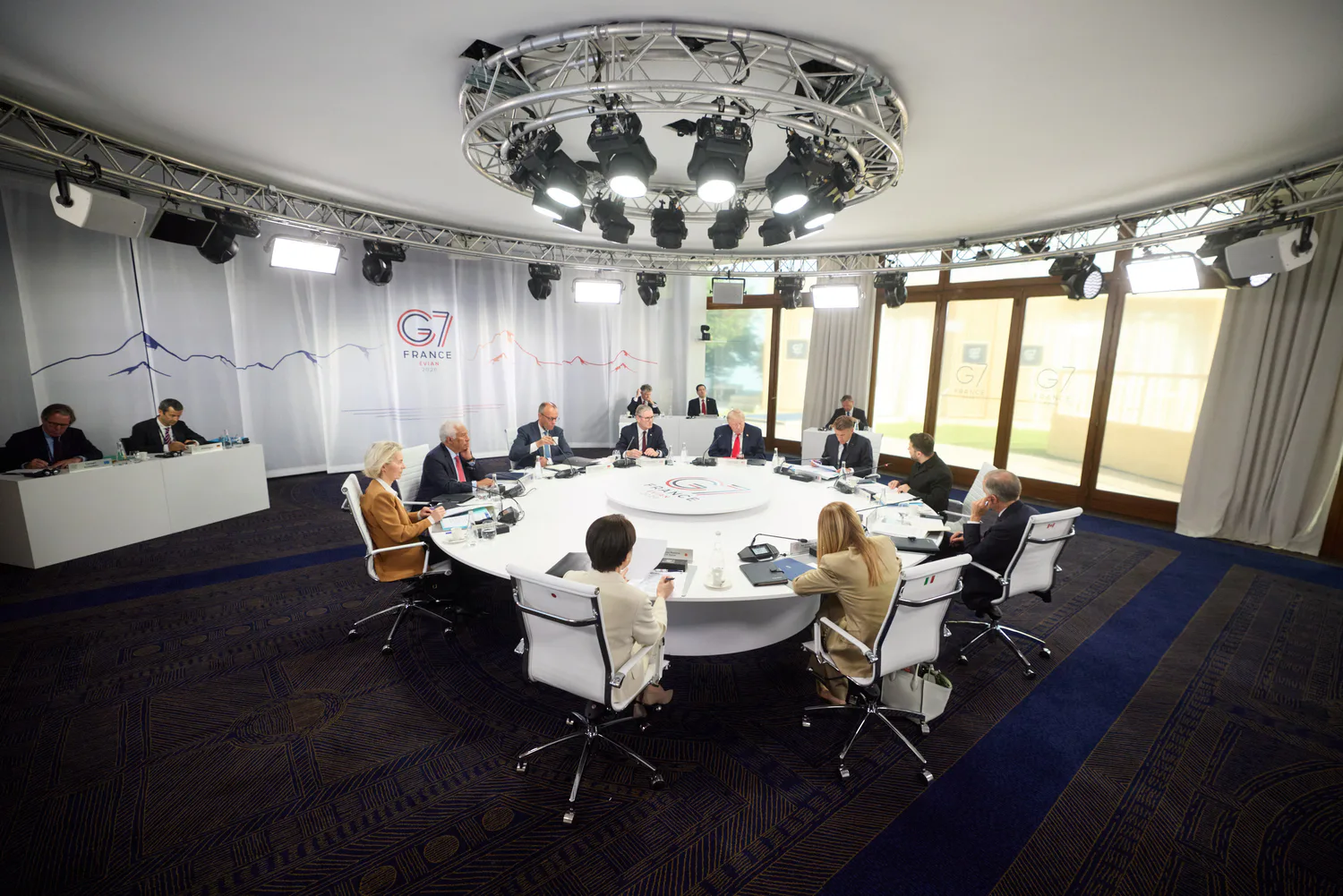
President Zelensky held negotiations with G7 leaders and separately spoke with Donald Trump. The central topic — licenses for anti-ballistic systems and strengthening air defense ahead of another winter of Russian strikes on energy infrastructure.
Following the meeting, G7 partners confirmed: an energy package for winter will be provided, pressure on Russia will continue, and assistance with reconstruction will also be maintained. This sounds solid. But there is a detail that determines the real weight of these words.
Anti-ballistics: talks underway, but no licenses
Licenses for anti-ballistic systems are not just paperwork. Without them, no manufacturing country can legally transfer certain classes of weapons to Ukraine. Zelensky raised this issue directly with Trump — and this signals that the American side is either the key blocker or the only one who can unblock the issue.
What specifically was discussed and whether there are preliminary agreements — has not been publicly disclosed. Kyiv received "discussions" rather than a "decision." The difference is fundamental: meanwhile, Russia continues to combine ballistic and cruise missiles precisely to overload existing air defense systems.
Energy package: third winter in a row
G7 promised assistance with energy infrastructure — generators, transformers, funding for restoration. This is already the third winter that Ukraine enters the heating season with massive damage to its energy system. Previous two packages helped survive crises, but did not provide systemic reconstruction — Russia destroys faster than partners can repair.
It remains unclear whether this time the package provides something fundamentally different — for example, protection of the infrastructure itself from strikes, rather than just its restoration after attacks.
Pressure on Russia: sanctions without new instruments
G7 supported "increased pressure" on Russia, but specific new sanctions mechanisms were not publicly announced. This is standard language following such meetings. Real effectiveness depends on whether partners will close the shadow fleet, parallel imports, and circumvention through third countries — and progress here remains slow.
What's next
The key question is not "will they help," but "in what format and with what verification mechanism." If the licensing issue regarding anti-ballistics is not resolved by late autumn — will Ukraine manage to close critical gaps in air defense before the peak of winter strikes?







