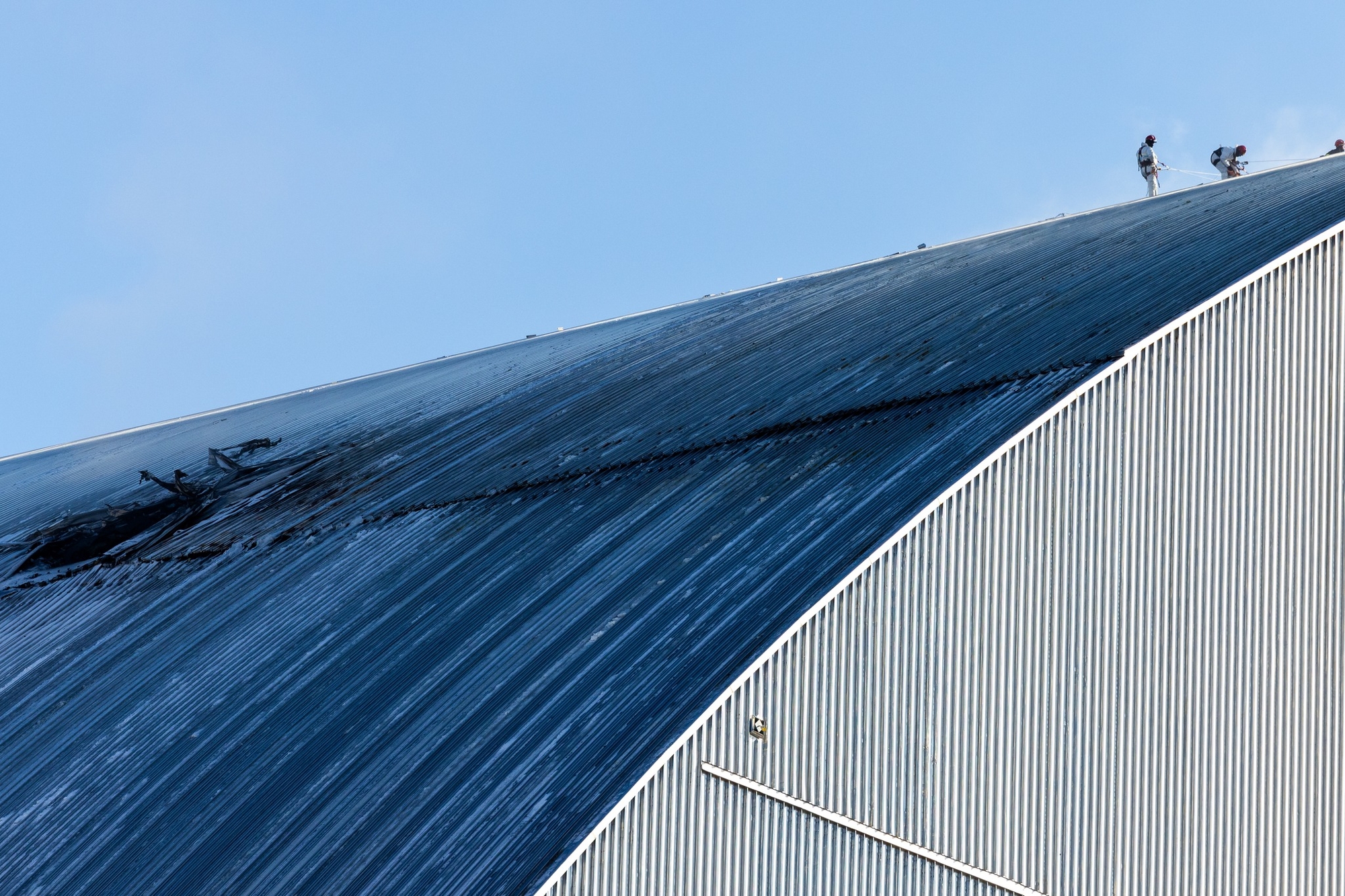
On the morning of June 10 in the temporarily occupied Sevastopol, a fire broke out in the building of the panorama "Defense of Sevastopol 1854-1855." Before the fire was extinguished, it had already become a ready-made information product for the Kremlin.
What Happened
Around 4:00 AM Moscow time, Mikhail Razvozhaev, the governor of Sevastopol appointed by Russia, reported on Telegram that the roof of the panorama building was engulfed in flames. Within hours, the fire was assigned the fourth—highest—level of complexity, with over 80 personnel and 22 pieces of equipment working at the site.
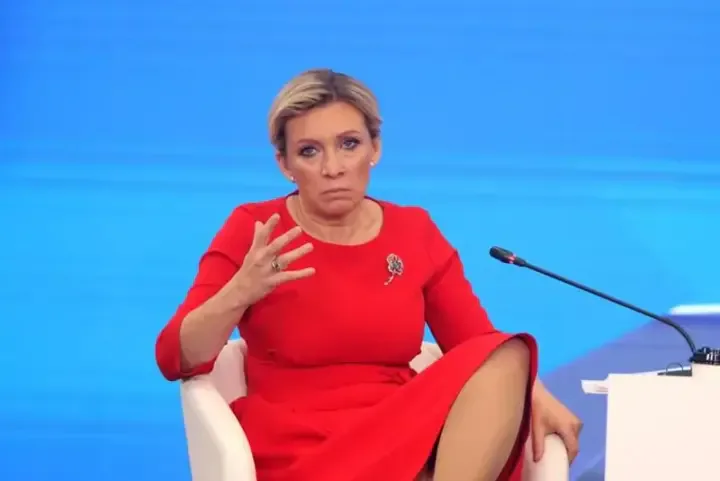
Moscow's official version formed rapidly: Razvozhaev accused the Ukrainian Defense Forces of a "deliberate strike," while Russian Foreign Ministry spokeswoman Maria Zakharova called the event a "barbaric act" and announced the destruction of a "great masterpiece by Rubaud."
"The situation is extremely serious: it is already clear that the panorama by Franz Rubaud is practically destroyed"
Mikhail Razvozhaev, governor of Sevastopol appointed by Russia, on Telegram
Where Versions Diverged
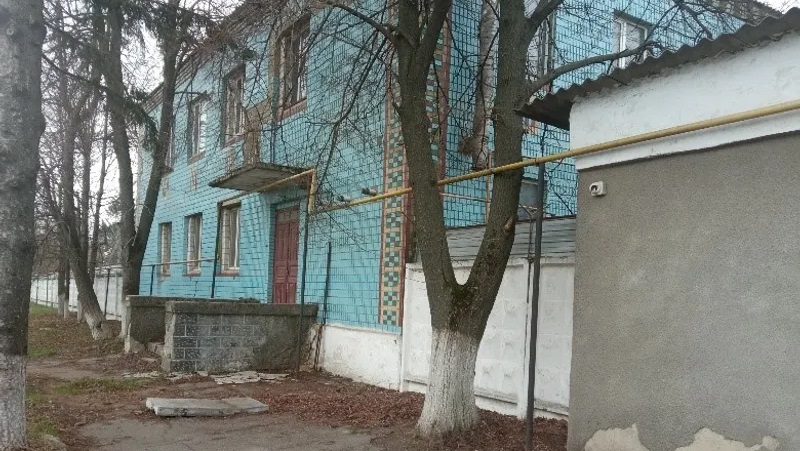
The Crimean monitoring Telegram channel "Crimean Wind" immediately documented an alternative picture: Russian military facilities are located near the museum, and according to local residents, the drone could have been shot down by Russia's own air defense. The channel also reported the launch of a missile from a Pantsir air defense system from the heights of Fedyukhin Mountains and two explosions near Sapun Mountain.
In parallel—and this is the key point—the museum itself publicly clarified facts significantly different from what Moscow was broadcasting.
What Was Actually Burning
According to a statement from the "Defense of Sevastopol" museum, the hall displayed a canvas painted in 1954 by a group of 19 Soviet artists—a restored copy following World War II destruction, not the original by Rubaud. All 39 original fragments of Franz Rubaud's work are stored in the museum's collections and were in other premises at the time of the fire—they were not damaged.
Moreover: two surviving fragments of the "Storming of June 6, 1855"—"The Attack" and "To the Left of Yufyorova"—returned to Sevastopol only on June 5 after restoration in Moscow. Their public presentation was scheduled for June 11—the day after the fire.
Thus, Zakharova announced the destruction of a "Rubaud masterpiece," when in fact:
- the destroyed object was a Soviet replica from 1954, not a 19th-century original;
- Rubaud's original fragments were physically located in other premises and suffered no damage whatsoever;
- the source of the fire—a drone strike or Russia's own air defense—remains disputed.
Tactical Context
The attack on Sevastopol occurred as part of a large-scale overnight strike by the Armed Forces of Ukraine: according to data from Russia's Defense Ministry, at least 326 strike drones were deployed that same night across 20 regions of Russia and Crimea. That same morning, "Crimean Wind" reported damage to a radar unit of the 12th air defense missile regiment near Cape Fiolent—an element of Crimea's air defense system. The reduction of overnight rail connections to Crimea introduced by the occupation administration on the eve of the attack indicates a systemic increase in pressure on logistics and Russian infrastructure on the peninsula.
Ukraine made no official statement about involvement in the strike on the museum.
If an investigation confirms that the building was damaged by a missile shot down by Russia's own air defense, the question of who actually "destroyed the masterpiece" would take on an entirely different meaning.