Identification after a long wait
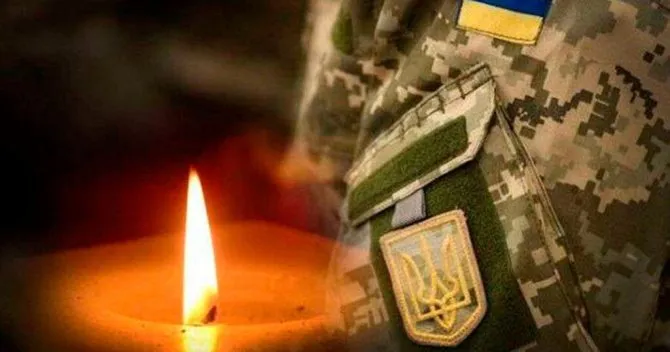
Resident of Irpin Taras Khizhko — a senior gunner of the 36th Separate Marine Brigade named after Rear Admiral Mykhailo Bilynskyi — was killed on 25 December 2025 in the area of Kostiantynivka as a result of an enemy FPV strike. This was reported by Acting Mayor of Irpin Anzhela Makeieva. For a long time he was considered missing in action; only recently did the results of a DNA examination confirm his identity.
“Taras Volodymyrovych was a soldier by vocation. In 2014, when the enemy was only beginning its offensive, Taras did not wait for invitations and went to defend the country in the hottest points of the ATO. Irpin became his home in 2016. It was here that he started a family with his beloved Tetyana; their children were born here. But the full-scale invasion again forced him to exchange peaceful life for arms.”
— Anzhela Makeieva, Acting Mayor of Irpin
Service, family, community
Taras went into service back in 2014, when the first large military clashes began in the east. In 2016 he settled in Irpin, where he started a family with Tetyana; the couple are survived by two sons and his mother. The role of a senior gunner in the unit combines technical skill, decisiveness and constant risk on the frontline.
Why it matters beyond emotion
Khizhko’s story illustrates several important aspects of the war: first, the mechanisms for identifying the fallen work slowly, but they give the army and families the truth; second, the loss of a single fighter has many consequences — from psychological trauma for the family to the need to provide social payments and legal documentation. The community of Irpin, like many others, now measures not only grief but also the administrative tasks that arise after a death is confirmed.
What next?
After official confirmation, a funeral and farewell are expected, along with completion of all necessary procedures for the family. This is also a signal to local and state authorities: identification must be accompanied by prompt assistance to the family — financial, legal and psychological. Memory of Taras is important not only as an emotional gesture — it requires concrete action to support those left behind.
Eternal memory and honor to the Defender. Whether families will receive an adequate level of support is a question that society and the state must now answer.