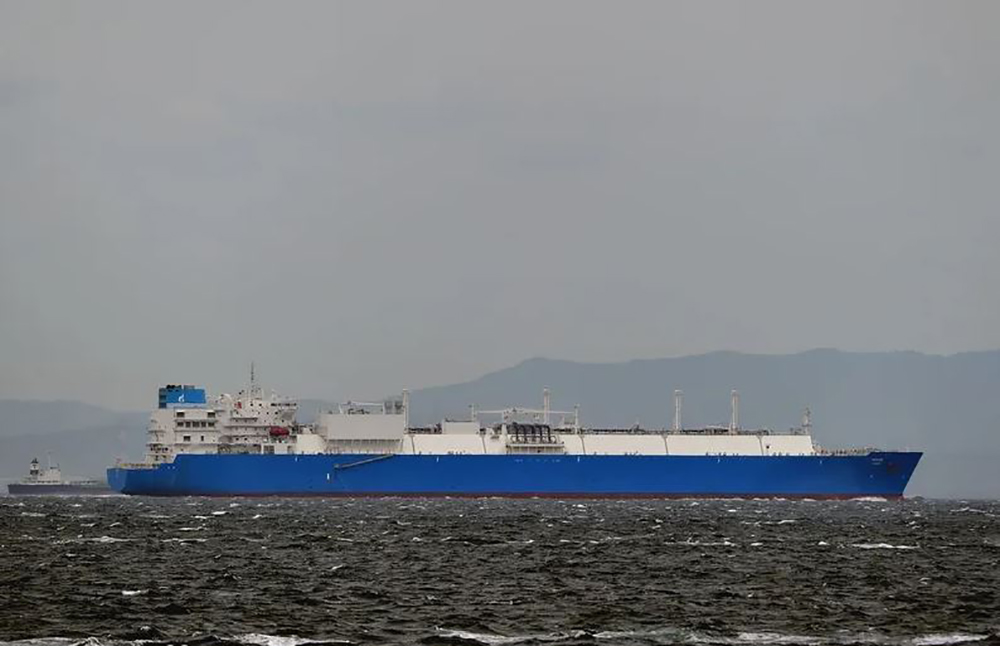
On December 8, 2024, the tanker Perle loaded liquefied natural gas at the Portovaya terminal on the Finnish Gulf. On May 19, 2025, it docked at a Chinese port — 163 days after leaving Russia. According to LSEG Data & Analytics data cited by Reuters, this is a record-long route for this type of cargo between these two points.
What's wrong with Portovaya
The Portovaya terminal serves a similarly named LNG plant owned by Gazprom, which is on U.S. sanctions lists. Washington imposed these restrictions in February 2025 — but already after that Perle voyage, not the first or second cargo from this plant reached China, but the third. This means: sanctions have not yet closed the route, but have only complicated logistics.
Six months at sea is not the norm for LNG transportation. A standard voyage from the Baltic to China takes 25–35 days. Such an extended route suggests either ship-to-ship transshipment somewhere in neutral waters, or prolonged waiting at an intermediary port — a classic sanctions evasion scheme using "shadow fleet" operators.
Why China is buying this gas
China has not joined any sanctions regime against Russia and is openly increasing its imports of Russian LNG. For Beijing, it's a matter of energy security and discounted prices: sanctioned gas is sold at a discount compared to market prices. For Gazprom, it's one of the few sales channels left after losing the European market.
Three deliveries in three months after sanctions were imposed — this is not a coincidence and not an exception, this is an operational model.
The logic of Perle's route
What this means for sanctions pressure
The U.S. could impose secondary sanctions against Chinese companies buying sanctioned LNG — this tool has already been used against the oil sector. But the Biden administration used it cautiously to avoid escalating trade tensions with China. Whether the Trump administration is ready to press here amid parallel negotiations with Beijing — that's an open question.
If by the end of summer 2025 the U.S. does not impose secondary sanctions against specific Chinese buyers of this gas, Portovaya will effectively receive confirmation: American restrictions for it are additional logistics costs, not a business blockade.