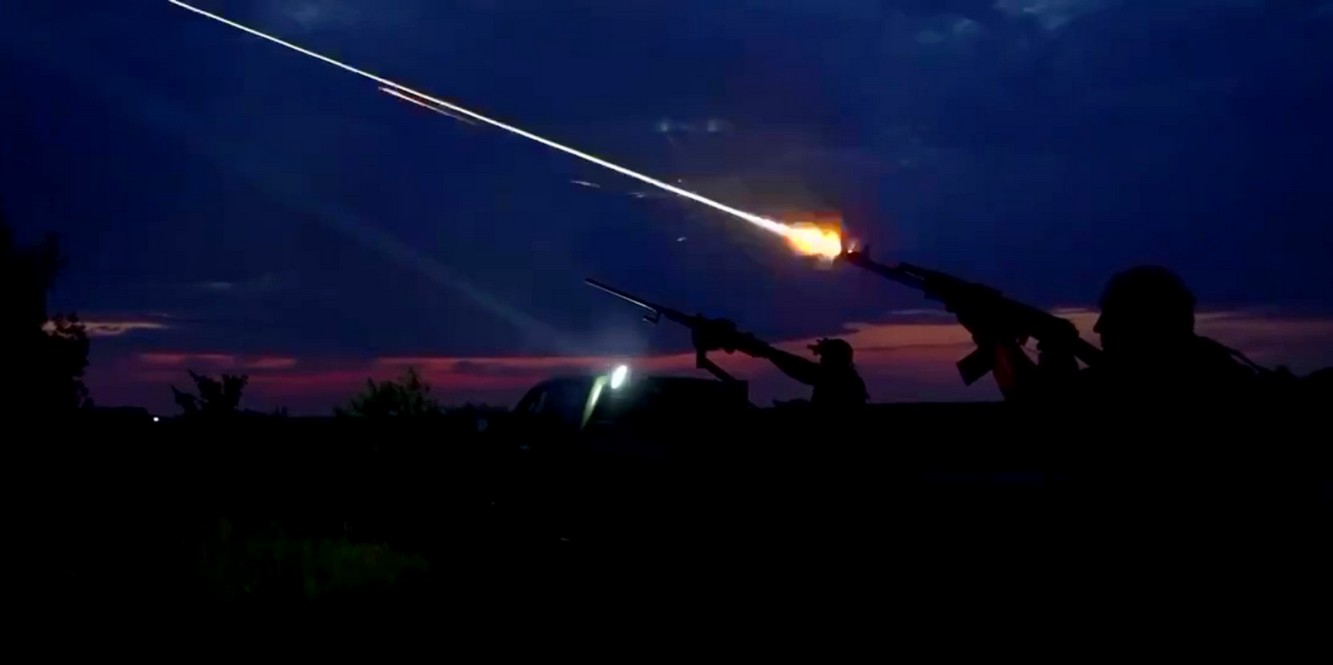
Two days of attacks — the facts
According to Serhiy Koretskyi, head of the board of NAK «Naftogaz», over the past two days roughly 60 strike drones were used in total against two company facilities in Kharkiv and Chernihiv regions. The strikes hit a gas production enterprise and one of the gas storage facilities.
"For two days nonstop there have been attacks on gas storage facilities and production capacities in Kharkiv and Chernihiv regions. About 60 strike drones were used in total. There is destruction."
— Serhiy Koretskyi, head of the board of NAK «Naftogaz»
Nizhyn mayor Oleksandr Kodola confirmed the UAV attack and reported a hit in the vicinity of the city, but outside the community boundaries.
"A UAV attack and a hit in the area of the city were recorded; there are no casualties within the community."
— Oleksandr Kodola, mayor of Nizhyn (Chernihiv region)
Why this matters
Naftogaz produces more than 80% of Ukraine's gas; the main capacities are concentrated in the east — in Poltava and Kharkiv regions. Attacks on production and storage threaten not only infrastructure but also supplies, the logistics of injection and distribution of fuel, which directly affects the stability of the heating season and the operation of industrial consumers.
Energy experts note that such strikes are part of a strategy to undermine critical infrastructure, to test Ukraine's air defense system, and to create additional burdens on logistics and repair services. This matches previously recorded patterns of attacks on the energy sector during this war.
Consequences and what to know next
The immediate consequences are damage to facilities and the need to assess losses, evacuate equipment and carry out repairs. Among the medium-term risks are lower injection levels into underground storage and a potential rise in logistics costs for delivering gas to the market.
The response is a combination of measures: rapid restoration of critical infrastructure, strengthening air defense systems in vulnerable areas, and coordination with international partners on supplying equipment and reserve fuel volumes. Analysts urge monitoring official statements from «Naftogaz» and government decisions on stabilizing reserves.
Conclusion
Attacks on energy capacities are not just about destruction: they are a test of the country's energy supply system. The ball is now in the operators', the government's and partners' court: whether they can quickly eliminate the consequences and build up protection — the resilience of supplies in the coming months depends on it.







