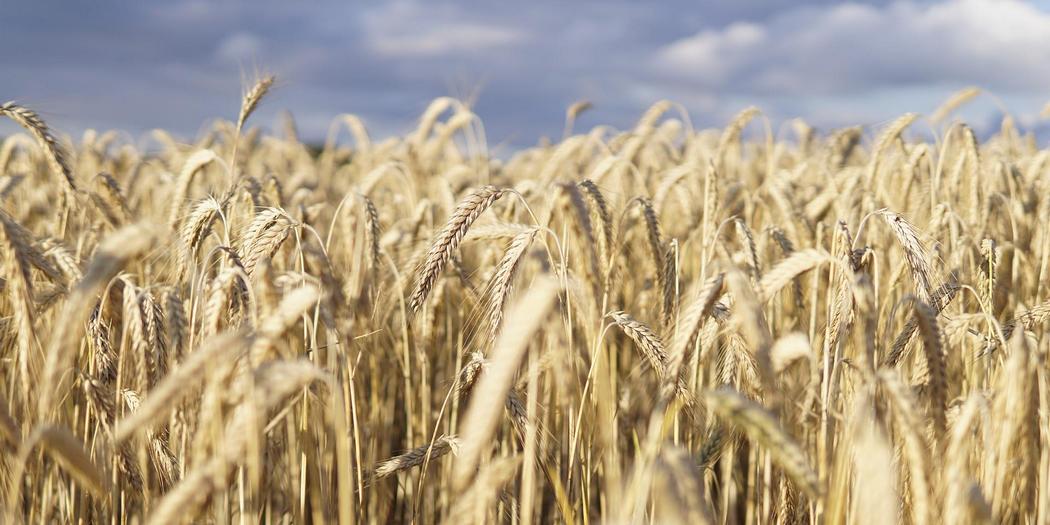
On May 17, 2026, Egyptian President Abdel Fattah El-Sisi opened fields west of the Nile Delta — and he did so right during wheat harvest. The symbolism is no accident: Egypt still imports 96% of its wheat, spending billions of dollars annually.
What the "artificial river" actually is
The heart of the project is the El Hammam treatment plant on the Mediterranean coast. According to organizers, it has already been entered into the Guinness Book of Records as the world's largest water treatment facility: capacity — 7.5 million cubic meters per day. It does not receive water from the Nile, but agricultural wastewater from the western delta — treated and again suitable for irrigation.
Next — 22 km of underground pipes and open channels, then a 170-kilometer canal through 13 pumping stations deep into the desert plateau. This system is what the Egyptian press called the "artificial river." The total length of the transport route is 114 km.
"Total investments in the project to date amount to approximately 800 billion Egyptian pounds — roughly $15.1 billion"
Abdel Fattah El-Sisi, speech at the opening of New Delta
Scale and logic
New Delta is expected to cover 2.2 million feddans (approximately 9,000 km²) — an increase in Egypt's cultivated land of about 15%. The government promises over two million new jobs, production of wheat, corn and vegetables, as well as new grain silos, industrial zones and roads. The project is overseen by the Egyptian military — as are most major infrastructure initiatives in the country.
Context is important: nearly half of Egyptians live on or below the poverty line, the population has exceeded 106 million and continues to grow. The government aims to cover 65% of food needs with domestic production by the end of 2025, and New Delta is the main tool for this leap.
Where the bottleneck is
It is fundamentally important that the system uses treated wastewater, not water from the Nile — this removes some of the criticism about additional burden on the river. However, Egypt's overall water balance remains fragile: about 70% of the Nile's flow is formed in Ethiopia, and the GERD dam built there has been a source of tension between the two countries for years. Negotiations have reached an impasse — consensus has not been achieved, and the Ethiopian prime minister has publicly stated his readiness for armed confrontation.
An additional risk is salinity and high energy intensity of the pumping system: corrosion from mineralized waters requires expensive alloys, constant pumping — significant fuel costs. This will determine the real cost of "desert wheat" compared to imported grain.
What's next
New Delta is already producing its first harvest — and has already received a Guinness record for infrastructure. But the real test is not the opening ceremony, but the balance after 5-7 years: if water from El Hammam turns out to be more expensive than imported grain per ton — the country's largest land reclamation project in history will become the most expensive subsidy for its military.







