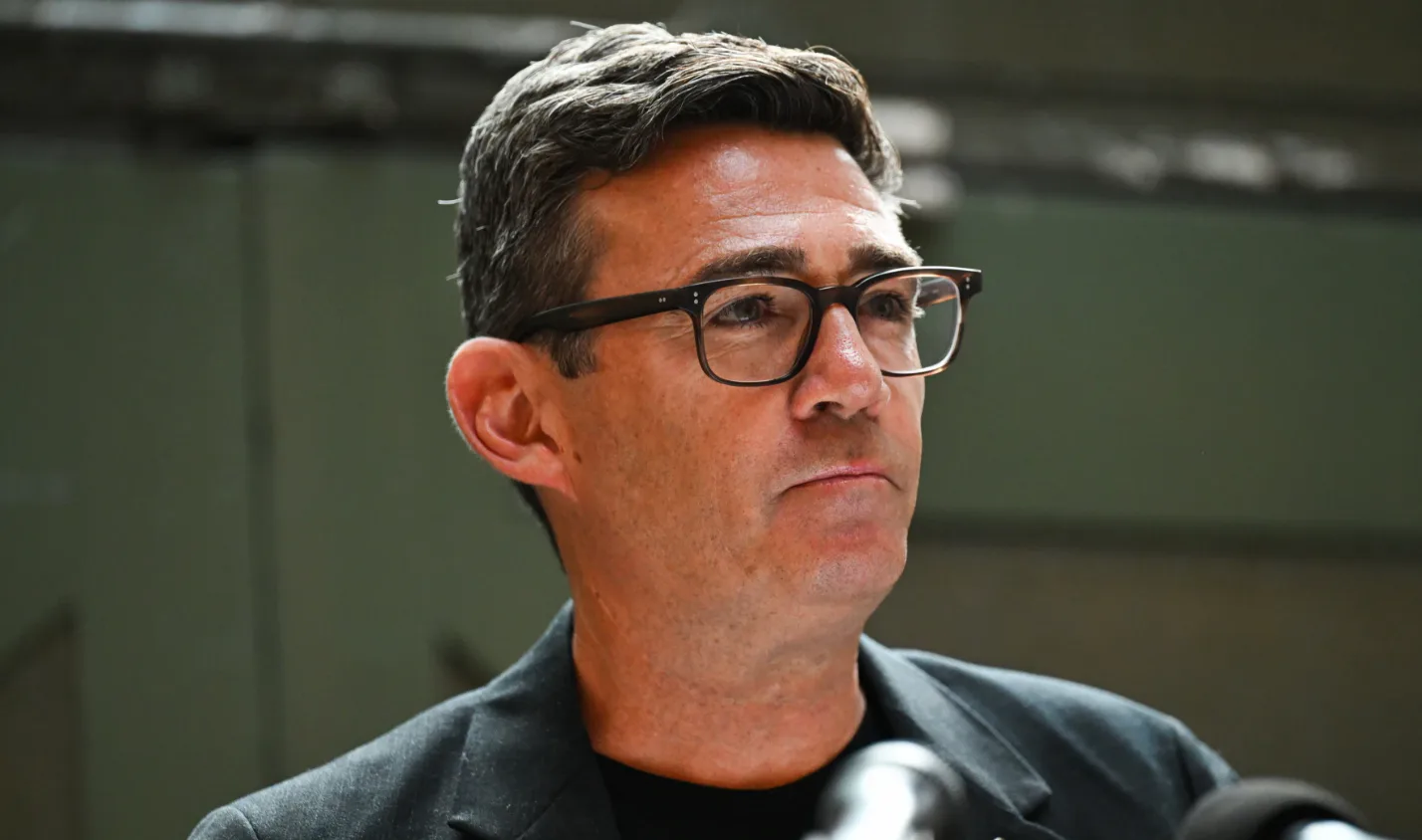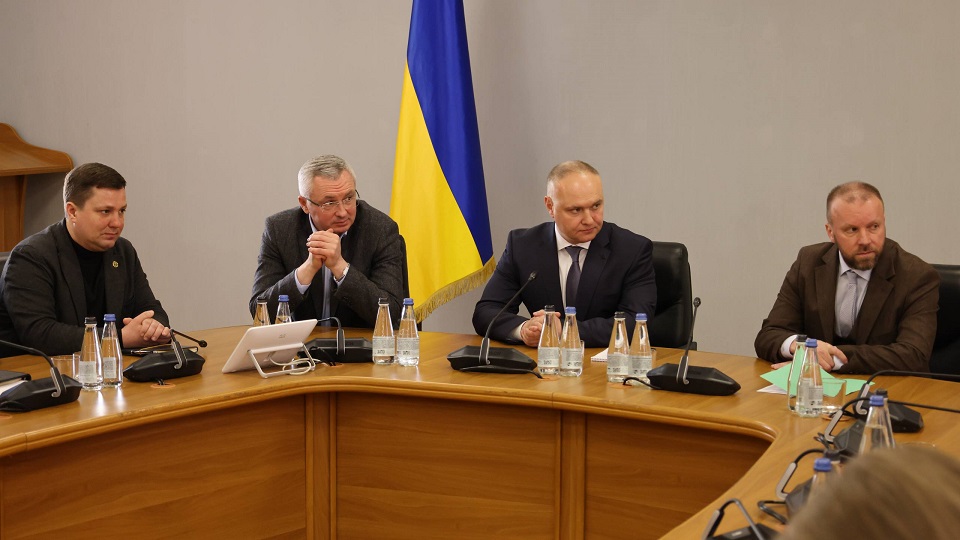
On April 15, Orest Mandzii began work as head of the State Customs Service. First Deputy Minister of Finance Roman Yermolichev introduced the new leader to the team. For the customs service, this is a symbolic detail: the last permanent (not acting) director was in place in November 2021.
A Man Outside the System
Mandzii is a detective, not a customs officer. From 2017 to 2026, he worked at the National Anti-Corruption Bureau (NABU): first handling corruption cases in the fourth department, then heading the sixth detective department. Under his leadership, a scheme at the Chernivtsi Customs was dismantled — undervaluation of customs duties cost the budget over 290 million hryvnias. This is perhaps the most concrete line in his resume relevant to his new position.
In the final stage of the competition, Mandzii competed with his NABU colleague Ruslan Damentzov — both received four votes from the commission. This means the agency was headed by one of two possible "NABU people." Some experts reacted skeptically: if both finalists are from the same bureau, is this real competition or merely its form?
What the Numbers Say
The context of the appointment is not ceremony, but numbers. According to the head of the budget committee of the Council Danilo Hetmantsev, due to inefficient customs operations, the state budget loses 100 to 120 billion hryvnias annually. Analysts estimate losses from smuggling and "gray" imports in 2024 at 120–185 billion hryvnias. In August 2024, in a survey about the most corrupt government agencies, the customs service ranked first with 51%.
The appointment of a permanent head of the DCS is not merely a personnel matter. According to Mind.ua, it was included in the structural milestones of the IMF credit program, which had to be completed by the end of June 2025. The government launched the competition only in August 2025 — delayed by almost a year.
Priorities Without Mechanism
"One of the main priorities in the work of the customs service will undoubtedly be strengthening integrity"
— Orest Mandzii, head of State Customs, April 15
Integrity is the right word. But the law on customs service reform adopted by the Council in September 2024 provides specific tools: rotation of officials, integrity checks, lifestyle monitoring, polygraph testing. The issue is not with the intentions of the new head — the issue is whether these norms will be applied to current customs officers, not just to new appointees.
Zaxid.net formulates the essence of the dilemma directly: the customs service is one of the most corrupt government agencies, where schemes are built horizontally between business, law enforcement, and courts. Reform of one agency without changes in related links — this is fighting the symptom, not the disease.
Mandzii was appointed for five years. Prime Minister Yuliia Svyrydenko expects him to create "a modern, transparent and efficient customs system." This is a standard framework for any appointment. What will be non-standard is the result — if in a year customs revenue increases, rather than just changing faces in leadership positions.
The first real test is personnel decisions within the service: will those departments where schemes have been detected for years undergo rotation, or will change occur only at the top level?