On March 23, 2026, the municipal enterprise "Green City" sent a notice to Polish company Control Process S.A. terminating the contract for constructing a waste processing plant in Lviv. Four days before it took effect — on April 5 — independent arbitrator Anthony Edwards of the FIDIC Dispute Resolution Board made a decision: the termination was illegal, and Control Process remained the sole legitimate contractor. The city ignored this and officially terminated the agreement on April 7.
What lies behind the "unfriendly move"
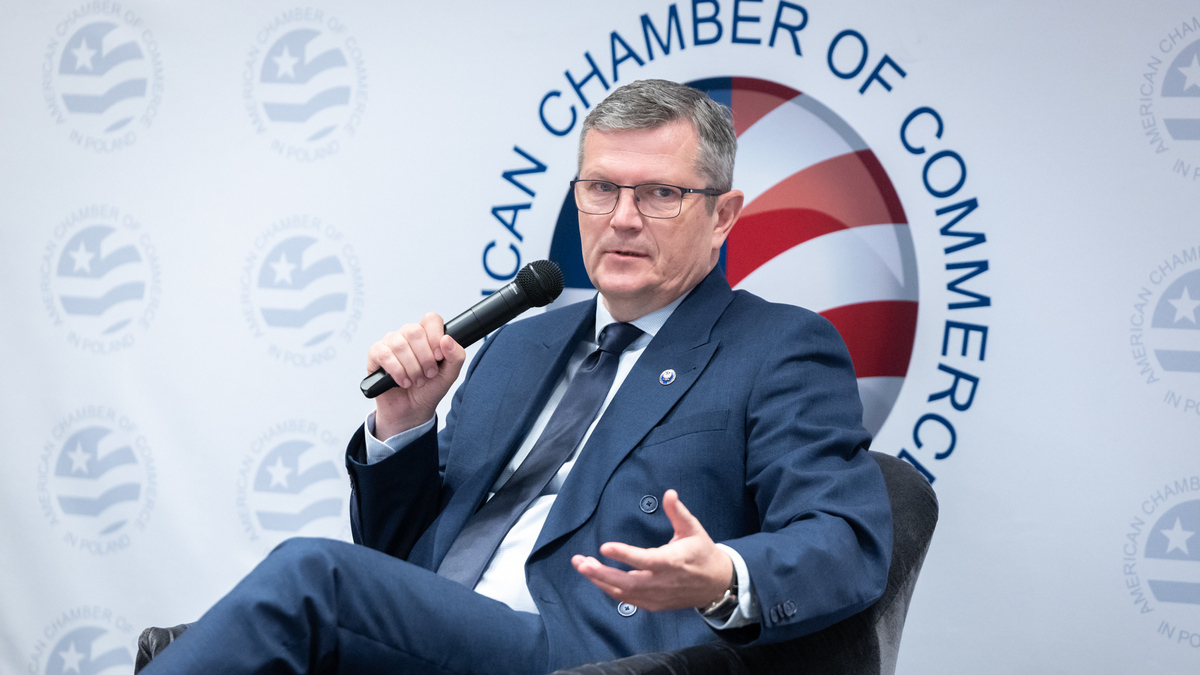
Poland's Deputy Foreign Minister Marcin Bosacki responded on TVP Info: the Polish government was already intervening "at a very high level" and expected the decision to be reconsidered. However, diplomatic rhetoric masks a more specific legal narrative.
FIDIC arbitration established that construction delays were caused not by the contractor, but by the client itself — the municipal enterprise "Green City" and the contract engineer from Hidroterra. According to the arbitrator's findings, they halted technology supplies and construction processes. The project completion deadline was accordingly moved to December 2026 plus 90 days for testing.
"FIDIC DAB decisions annul them with immediate effect — they require no separate cancellation by either the FIDIC engineer or the client"
— Control Process S.A., open letter to Lviv City Council deputies
Meanwhile, in February 2026, Polish bank ING Bank Śląski paid "Green City" €3.664 million in bank guarantee — before official termination, due to recorded contract violations. The city received the money, but the plant at 80% completion (the contractor insisted on 95%) never started operations. Control Process had already received €29 million of the contract's total value of approximately €35 million.
Five missed deadlines and two criminal investigations
The project's chronology is a sequence of postponed deadlines: 2021, 2023, late 2023, February 2025, October 2025 — none were met. In fall 2025, police opened two criminal investigations: one concerning possible cost inflation (payment for materials while cheaper alternatives were actually used), another concerning the contractor's actions. Both parties are simultaneously subjects of the investigation and claim the opponent is at fault.
In August 2025, Lviv City Council deputies had already appealed to Polish Prime Minister Donald Tusk with complaints against Control Process. Now the vector of diplomatic pressure has reversed.
What's next — and what does this mean for reconstruction
Sadovyi had warned back in 2025: this case "raises a major question about Polish business's ability to participate in reconstruction processes at all." Now the Polish side is transmitting the mirror argument — Lviv's actions undermine trust in Ukraine as a partner.
The practical problem is specific: Control Process did not hand over complete project documentation. "Green City" will first have to restore electronic documents, correct the project and cost documentation, and only then announce a new tender to complete the work. The plant, already five years behind schedule, may face several more years of delays.
The dispute will move to ICC arbitration in Paris — and if arbitrators confirm the FIDIC position on the client's responsibility, Lviv may find itself not only without a plant, but also obligated to compensate Control Process for damages. The question is whether the city will manage to complete the facility with a new contractor faster than Paris arbitration issues its decision.







