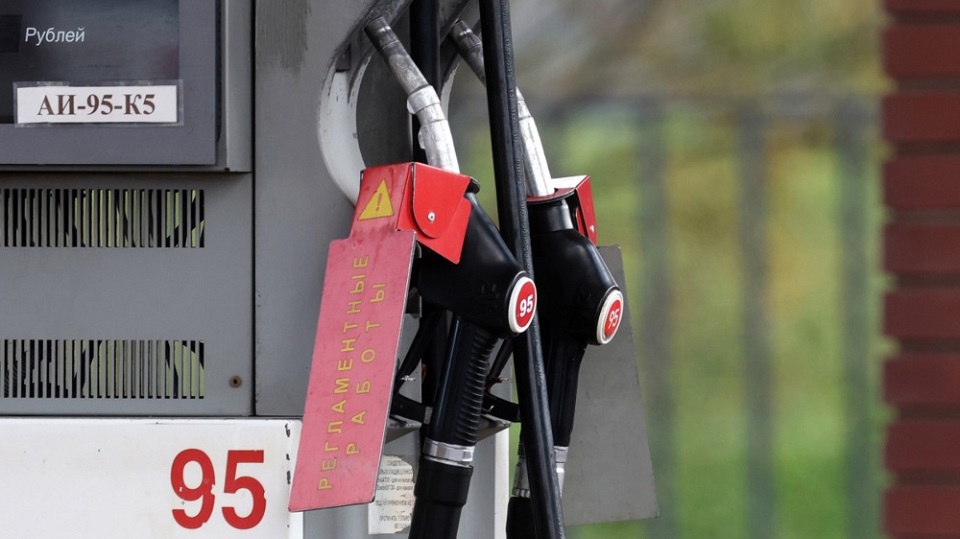
At Gazprom Neft gas stations in Moscow, a new rule is now in effect: no more than 30 liters of gasoline or 60 liters of diesel per visit. Cans are not being filled. At highway gas stations, the diesel limit is wider — up to 200 liters, but it primarily applies to long-haul truckers. Lukoil has introduced similar restrictions at several Moscow locations.
The official explanation is combating "artificial shortages and speculation." The real reason is different.
Kapotnya no longer feeds Moscow
The Moscow refinery in Kapotnya — the largest fuel supplier for the capital region — has been struck twice by Ukrainian drones. According to Reuters, the plant will be out of operation for at least until the end of 2026. This is not an emergency shutdown — it is a prolonged structural gap in supply.
Independent oil and gas market analyst Boris Aronshtein called the consequences of the strikes "the most serious crisis in recent years," noting that the scale, coordination, and repeated waves of attacks prevent Russia from repairing the refinery before the next strike.
Moscow — not an exception, but the epicenter
Russia is experiencing the worst nationwide fuel shortage in years: at least 17 regions have introduced mandatory restrictions on gasoline and diesel sales, while dozens more report shortages or voluntary limits from private networks.
According to Wikipedia, attacks on certain days reduced Russia's oil refining capacity by nearly one-fifth and decreased exports from key ports.
The regional picture looks like this:
- Crimea — the first region where AI-92 gasoline disappeared, with prices for all fuel grades rising by 50–90 kopecks per liter.
- Transbaikalia — AI-95 disappeared from gas stations, remaining supplies are sold only to corporate clients.
- Buryatia and Primorsky Krai — supply shortages pushed prices up by an average of 5–10 rubles per liter.
- HMAO — a paradox: the region that provides about 40% of Russia's annual oil production has also introduced limits — up to 40 liters of gasoline and 80 liters of diesel per driver.
Antitrust trap
According to Meduza, some gas stations are closing completely — they cannot raise prices due to antitrust restrictions, so they simply cannot turn a profit. Volume limits are a way to stretch supplies without violating price regulations.
"Oil product reserves are in sufficient quantity"
— HMAO Governor Ruslan Kukharuk, from a region with gas station limits
BBC Verify and BBC Russian have documented a record level of attacks: in August 2025, 14 refineries were struck, with 21 of Russia's 38 major oil refineries sustaining damage since the beginning of the year.
If Kapotnya indeed remains under repair until the end of 2026, Moscow's fuel limits are not a temporary measure during a panic, but a new norm for the next year and a half. The question is whether the Kremlin has enough reserves and imports from Belarus to keep prices stable until winter — when demand for diesel in Russia traditionally spikes.







