The conflict surrounding Iran, which began at the end of February, has accomplished what neither the pandemic nor rising interest rates could: it has simultaneously threatened several European airlines at once. The price of aviation fuel skyrocketed from ~$74 to $150 per barrel — and for carriers without hedging, this is no longer financial pressure but an existential threat.
Those who hedged will survive
Ryanair entered the crisis with protection: according to O'Leary, the company fixed 80% of its fuel needs at $67 per barrel before the conflict began, with coverage through March 2027. Wizz Air — approximately 70%. AirBaltic, according to bne IntelliNews, hedged only 6% of current quarterly needs — the lowest figure among European carriers.
This very figure explains why the Latvian parliament voted on April 16 for an emergency state loan to the airline for €30 million — 49 votes to 23, after weeks of disputes that nearly collapsed the ruling coalition. The loan must be repaid by August 31.
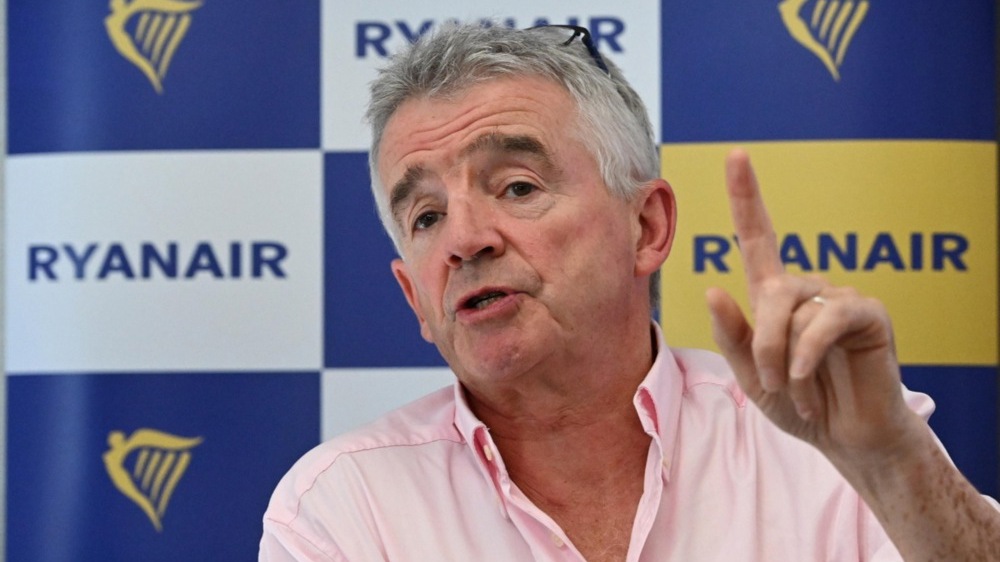
"If oil remains at these levels, two or three European airlines in October or November could go bankrupt — like Wizz Air, which wants to sue me but won't have time, and airBaltic"
— Michael O'Leary, CEO of Ryanair, in an interview with Il Sole 24 Ore
Wizz Air denies, but cautiously
Wizz Air rejected O'Leary's forecast as "absolutely untrue and false," emphasizing its strong balance sheet and liquidity. CEO József Varadi noted that the company does not expect fuel supply problems — global supply chains are being rebuilt, including through imports from the United States. However, Wizz Air itself admits: customers are adopting a "wait and see" approach regarding summer bookings, and the financial impact of the crisis is estimated at €50 million.
Ryanair is also not immune to costs: in April alone, the company paid an additional $50 million for fuel. Shares fell from €32 to €25 since the beginning of the conflict. The difference is that O'Leary can afford to speak of others' bankruptcies — because his own reserve of strength gives him this luxury.
The market logic of a predator
O'Leary does not hide his interest: Ryanair is not seeking merger candidates, but is ready to buy aircraft from airlines that exit the market. "Good for our business — there will be fewer competitors," he added. This is not cynicism for cynicism's sake: after the bankruptcies of Monarch, Norwegian, and WOW Air, it was Ryanair and easyJet that absorbed most of the freed-up demand.
- Ryanair: 80% hedging at $67/barrel, coverage through March 2027
- Wizz Air: ~70% hedging, denies risks, acknowledges booking pressure
- AirBaltic: 6% hedging, received €30 million state loan, repayment deadline — August
The Strait of Hormuz remains effectively blocked for now. If the situation does not change by November, the key test will not be whether Wizz Air will go bankrupt — but whether AirBaltic's €30 million state loan will be enough to make it through winter without a second rescue package.







