Essence of the ruling
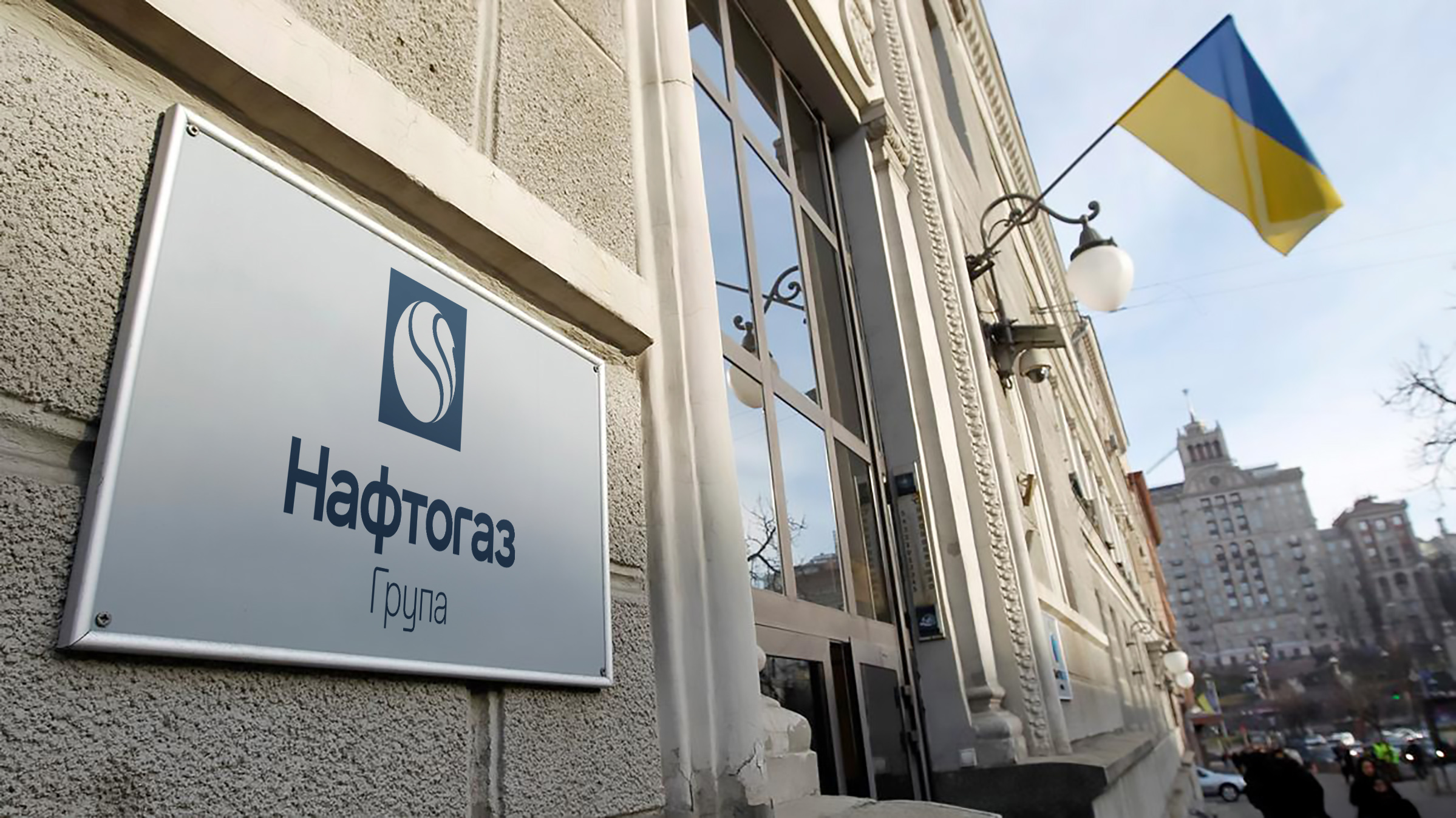
The Federal Supreme Court of Switzerland rejected Russian Gazprom's appeal and upheld the arbitral award obliging the company to pay NJSC Naftogaz of Ukraine more than $1.4 billion. Thus the country's highest judicial instance has effectively closed this dispute and recognizes the validity of the arbitral verdict.
“Naftogaz will work on the enforcement of this decision and will continue a number of other proceedings against the aggressor country.”
— Serhiy Koretsky, chairman of the management board of NJSC Naftogaz of Ukraine
History and legal reasoning
In June 2025 an arbitration tribunal in Switzerland, composed of arbitrators from Sweden, Switzerland and Israel, ordered Gazprom to compensate losses for breaching the take-or-pay principle enshrined in the transit contract with Ukraine.
The core of the dispute: in May 2022 Gazprom stopped paying for contracted transit volumes after Ukraine refused to transport gas through temporarily occupied areas of Luhansk Oblast and proposed to move transit to the Sudzha point in Sumy Oblast. The Ukrainian side did not refuse to provide the service but offered an alternative route — the Russian company refused to pay.
Naftogaz initiated arbitration under Swedish law. Gazprom sought to challenge the award: in July 2025 it filed a petition to set aside the arbitration and to temporarily suspend enforcement; in November 2025 the court denied the suspension, and in March 2026 it rejected the challenge on the merits.
Why this matters for Ukraine
First, there is the direct financial component: the confirmed award creates grounds for recovering funds that can be directed to defense and infrastructure reconstruction. Second, it is a legal precedent: confirmation of the arbitration by the highest court clearly strengthens Ukraine's position in other international proceedings against Russian assets.
Lawyers and international energy law analysts note that such rulings make it harder for Russia to use corporate structures as a mechanism to evade obligations — and create additional legal pressure on property and contracts that may be subject to enforcement.
Expected steps and enforcement risks
Formal recognition of the award is only the beginning. Actual recovery of the money requires enforcement procedures in jurisdictions where Gazprom or its affiliated entities have assets. This is lengthy legal‑administrative work: asset seizures, enforcement actions, coordination with foreign courts.
There are precedents, however: in 2018 Naftogaz succeeded in obtaining $2.9 billion, and in 2023 an arbitration in The Hague awarded Naftogaz $5 billion for seized assets in Crimea — although Russia still refuses to comply with those rulings. Today the key question is whether the legal victory can be turned into real funds and how quickly that can happen.
Conclusion
The Federal Supreme Court of Switzerland's decision strengthens Ukraine's legal position and creates additional mechanisms of pressure on Russia. But practical steps are now needed: enforcement in relevant jurisdictions and coordination with international partners. Whether these awards will lead to seizures and recoveries depends on legal persistence and the political will of partners.







