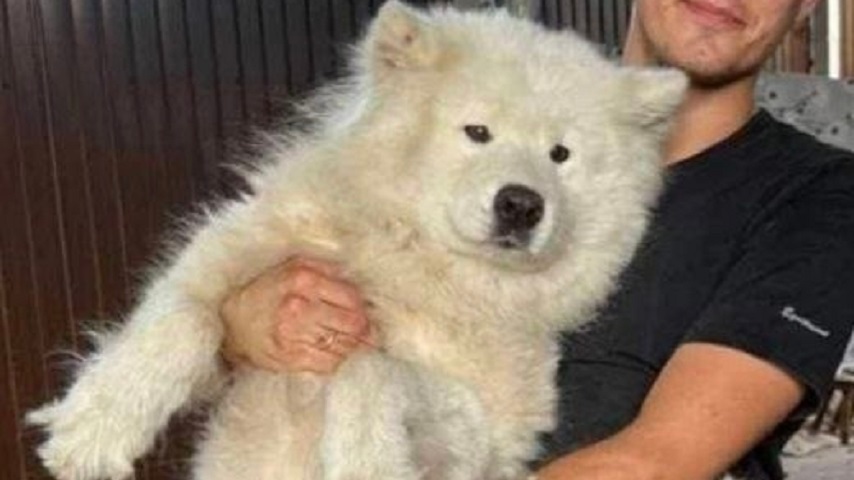
When a video of a mop being used to drive a dog out of a frontline branch of Nova Poshta went viral, the company faced not a legal or financial problem, but what co-owner Volodymyr Popereshnyuk called a "perfect storm" – a situation where any action only makes things worse.
The first decision – to fire the employees involved – was supposed to appear as accountability. Instead, it triggered a second wave of outrage: the audience saw in this not punishment for cruelty, but the fact that the company in a frontline region was willing to easily part with people who, according to Popereshnyuk himself, are in such short supply that they are "worth their weight in gold".
What actually went wrong
According to the co-owner's account, the entire management – owners, CEO, and supervisory board – were involved in the crisis. But they found the solution not in communication tactics, but in breaking down the problem into specific parts: the fate of the animal, the fate of the employees, and the cause of the incident.
Popereshnyuk's key admission was procedural: the company had no rules for employee conduct with stray animals. That is, the workers at the frontline branch were not acting against instructions, but in their absence. This transforms the scandal story into a case of missing regulations – a problem that is much easier to fix than a damaged reputation.
Three steps instead of one
- The dog was taken to Kyiv, shown to a veterinarian, and is currently in temporary care with one of the top managers while awaiting new owners.
- The fired employees were rehired, with the company publicly acknowledging that the decision to fire them was premature.
- The company announced funding for organizations helping stray animals in frontline areas – solving not just an individual case, but a systemic cause.
"Yes, the act was bad and damaged the company's reputation. But people are our value, and when it comes to frontline territories – every person is worth their weight in gold," Popereshnyuk explained the decision to rehire the employees.
A repeating pattern
Similar "perfect storm" logic already manifested in Ukrainian business in spring 2026, when monobank co-founder Oleg Horokhovskyi published a photo of a client who was denied video identification because of a tricolor flag on the wall – which later turned out to be the flag of Slovenia. In both cases, the company found itself in a situation where a quick response to one problem created a new one, and public acknowledgment of the mistake became the only way out that did not deepen the crisis.
The question is whether the Nova Poshta case will become a precedent: whether Ukrainian companies operating in frontline regions will start implementing regulations for situations that previously seemed too minor for instructions – and whether this will affect the speed with which business publicly admits its own mistakes, rather than doing so only after a wave of backlash.