What it's about
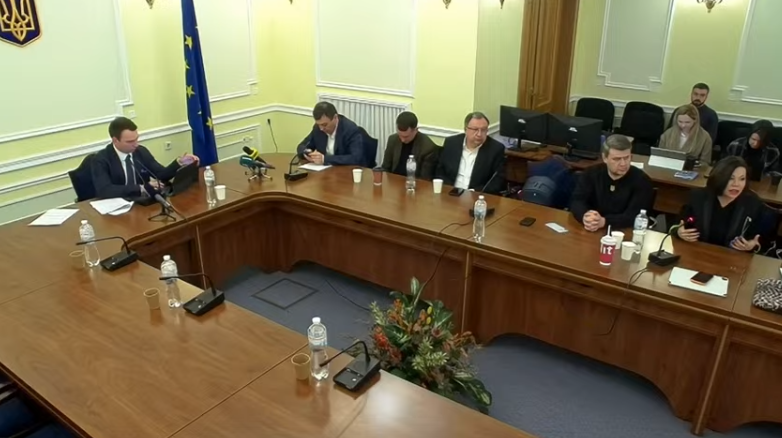
During a meeting of the Verkhovna Rada's temporary investigative commission, Member of Parliament Viktoriya Siumar gave an estimated revenue figure for popular anonymous Telegram channels — up to $20,000 per day for a channel with an audience of 400,000–1 million subscribers.
"If you take the feed of a single Telegram channel, there are roughly 40 to 140 messages a day, it can be up to 200. And I think this needs to be analyzed, because it's a business"
— Viktoriya Siumar, Member of Parliament, member of the Committee on Anti‑Corruption Policy
How this figure was obtained
The explanation is simple: number of messages per day × share of paid content × pricing packages. According to Siumar, roughly every 5th–10th message may be paid, and the cost of packages for political or commercial promotion is estimated at $10,000–$40,000. Thus, a channel with a large audience can theoretically generate millions of hryvnias per month.
Who attended the meeting and why it matters
Representatives of the SBU, State Tax Service, Bureau of Economic Security, cyber police were invited — the lineup speaks for itself: the issue goes beyond media regulation and moves into the realm of economic and information security.
Main risks: unreported income and tax evasion, use of unlabelled advertising for political influence, and the lack of mechanisms to hold anonymous administrators accountable. This is not only a media problem — it's a matter of resources and public trust in institutions.
Context and confirmation
Earlier, NABU director Semen Kryvonos stated that the bureau has information about the owners of anonymous channels. In January 2026, Member of Parliament Yaroslav Zheleznyak named probable owners of five popular anonymous Telegram channels and asked law enforcement to investigate their sources of income.
What this means for the country
When a large information platform operates as a business without transparent tax and advertising mechanisms, it creates both fiscal and informational risks. For the state, this is an issue on three levels: effectiveness of tax control, prevention of political manipulation, and ensuring cyber security.
Experts point out that solutions must be comprehensive: from proper tax inspections to regulation of advertising and improvement of mechanisms for holding anonymous content creators accountable.
Conclusion
Now the commission's tone contains not only concern but also a call to concrete action — coordination between the SBU, State Tax Service, Bureau of Economic Security and cyber police must turn estimates into verification results. The issue is not only about money: it is about transparency of the information environment and protection from unlawful influence on public opinion. Whether institutions can quickly turn declarations into real decisions is the next test of the state's ability to respond to new challenges.







