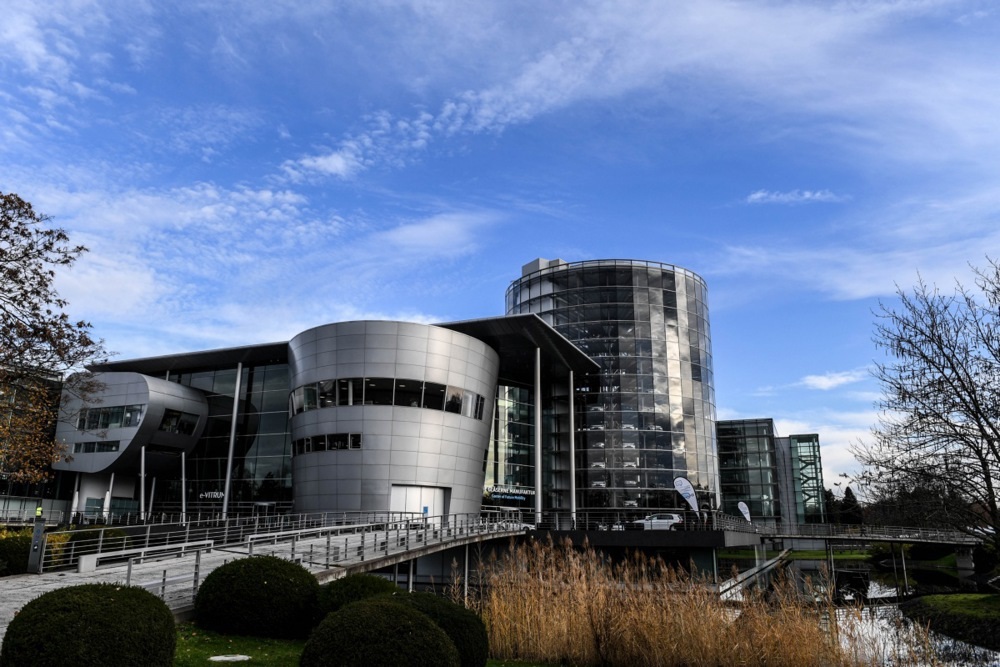
Volkswagen announced that from December 16 it will halt production at its plant in Dresden. This is the first time in 88 years that the group has stopped manufacturing cars on German soil.
Reasons for the stoppage
The decision is linked to financial difficulties: weak sales in the Chinese market, declining demand in Europe and high U.S. tariffs that make exports unprofitable. In response, the company must cut costs and improve operating profitability.
"It wasn't easy, but from an economic point of view it was important"
– Thomas Schäfer, head of the VW brand
Analysts point out that the company is looking for ways to reduce costs and increase operational profitability.
History and production cycle
The Glass Manufactory opened in 2001 as a plant for the luxury Phaeton model. Phaeton production ended in 2016, after which the site began producing the electric ID.3. Series production of the ID.3 will also be stopped in mid-December.
Over 23 years of operation, the Dresden plant made about 200,000 cars, significantly less than the annual volumes of Volkswagen's central plant in Wolfsburg.
Retooling and investments
From January 2026 the site will be retooled: the premises will be leased to the Technical University of Dresden to create a research campus where work will focus on artificial intelligence, robotics and microchips.
Volkswagen and the university agreed on joint investments in the project totaling €50 million over the next seven years. At the same time, the group will retain use of the site for customer vehicle deliveries and as a tourist attraction.
In its third-quarter 2025 financial report, Volkswagen recorded a loss of approximately $1.5 billion, partly due to U.S. tariffs and reduced investments in electric vehicle production under the Porsche brand.