What happened
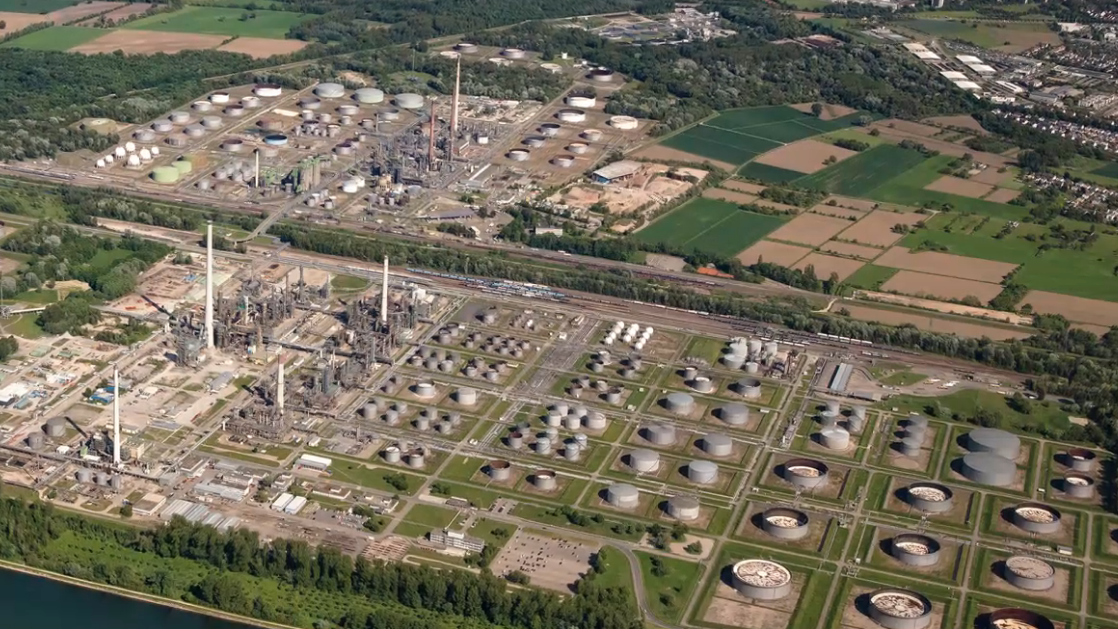
On 20 February the European Commission approved an agreement under which the Federal Ministry for Economic Affairs and Energy of Germany (BMWE) will acquire full control of Rosneft Deutschland GmbH (RDG) and RN Refining & Marketing GmbH (RN R&M), according to an official statement on the European Commission’s website. RDG is a wholesale supplier of fuel and petrochemicals that holds stakes in three German refineries: PCK Schwedt, MiRo (Karlsruhe) and Bayernoil (Vohburg). RN R&M is responsible for service and administrative functions related to RDG’s operations.
Why it matters
The decision will reduce the presence of structures linked to the Kremlin in Europe’s largest economy — and it is not just a symbolic step. Restoring control over supply chains under state management lowers the risks associated with insurers, banks and service providers suspending cooperation — many of which stopped working with Rosneft back in 2022. For Ukraine this matters on several levels: it increases sanctionary pressure, complicates opportunities to circumvent restrictions, and reduces the Kremlin’s instruments of influence over the European energy market.
"The reason for imposing external administration is that the continuation of the economic activity of the mentioned refineries came under threat because of their ownership structure. Major providers of critical services — insurers, IT companies and banks, as well as customers — no longer wanted to work with Rosneft — neither with the refineries in which Rosneft holds shares, nor with Rosneft’s German 'subsidiaries' RDG and RN R&M"
— German government / BMWE (official explanation)
Context and risks
Discussions about nationalization have been ongoing since October 2025, after the United States imposed sanctions on Rosneft. The company had a license that exempted it from some measures until April 2026 — which explains the timing of the political decisions. Previously Germany hesitated because of the risk of financial claims from Russia; such legal disputes and compensation issues remain a potential obstacle.
The practically important question remains continuity of oil supply and refinery operations. Although Rosneft Deutschland now buys oil from Kazakhstan, some routes run through the Russian Druzhba pipeline. Therefore, technical and logistical coordination during the transition to state control will be critical.
What it means for Ukraine
For Ukraine, the key point is that the EU and its members are gradually depriving Russia of the ability to use economic chains as an instrument of pressure. Reducing Rosneft’s presence in European supply chains lowers the Kremlin’s chances for political leverage and foreign-currency revenues. Energy market analysts note that such steps should be accompanied by diversification of supplies and strengthening the energy resilience of Ukraine and its partners.
Conclusion
The European Commission’s decision is not the end of the process, but a transition to a new phase: from temporary administration to de facto state control and further integration of the assets into European security mechanisms. The coming months will show whether Germany and its partners can minimize legal risks, preserve refinery workflows and turn a political statement into a practical instrument that strengthens the EU’s energy resilience and reduces space for Russian influence — which directly resonates with Ukraine’s security.







