Five Ukrainian airlines — MAU, Aviacompaniya Konstanta, Urga, N3Operations, and Skyline — found themselves in criminal proceedings of the Bureau of Economic Security over a question that lawyers call at least controversial: whether aircraft leasing constitutes royalties. Investigators believe it does and demand recalculation of 15% tax on non-resident income for seven years of company operations. Airlines insist that this is ordinary vehicle rental, regulated by a separate article of the Tax Code.
The stakes are not fines for individual companies. Leased aircraft account for 86% of the aircraft fleet of Ukrainian carriers, and leasing is used by approximately 40 airlines. If the BES position becomes a precedent, virtually the entire civil aviation of the country will face financial consequences, which has already struggled through airspace closures and relocation during the full-scale war.
One audit against seven years of claims
A key detail of the case is the discrepancy between the results of tax audits and the scale of criminal prosecution. According to Viktoriia Kasian, deputy director of the transfer pricing department of the State Tax Service, leasing payments were reclassified as royalties only as a result of one audit among all audits conducted at airlines.
As a result of one audit of aviation industry companies, leasing payments were reclassified as royalties. Only one audit
That is, the vast majority of State Tax Service audits found no violations. However, this did not prevent the BES from opening proceedings against five companies at once and calculating underpayment for the entire seven-year period — despite the fact that tax legislation regarding leasing has not changed for decades.
Where did the royalty theory come from
Investigators rely on an analytical article published in 2024 by the previous State Tax Service team. It proposed taxing leasing operations with transport for non-residents as royalties — that is, payments for the use of intellectual property or equipment, rather than rental. These very conclusions formed the basis of criminal cases: investigators treat aircraft not as vehicles, but as "equipment".
Lawyers interviewed by UNN point to a significant gap in this logic: the investigation ignores international conventions on the avoidance of double taxation. Agreements with foreign states ratified by the Verkhovna Rada have priority over national legislation and independently determine where and at what rate the non-resident's income is taxed. Automatic recalculation of 15% without considering the specific convention with the lessor's country, experts say, is legally vulnerable.
The Finance Ministry will try to put an end to it
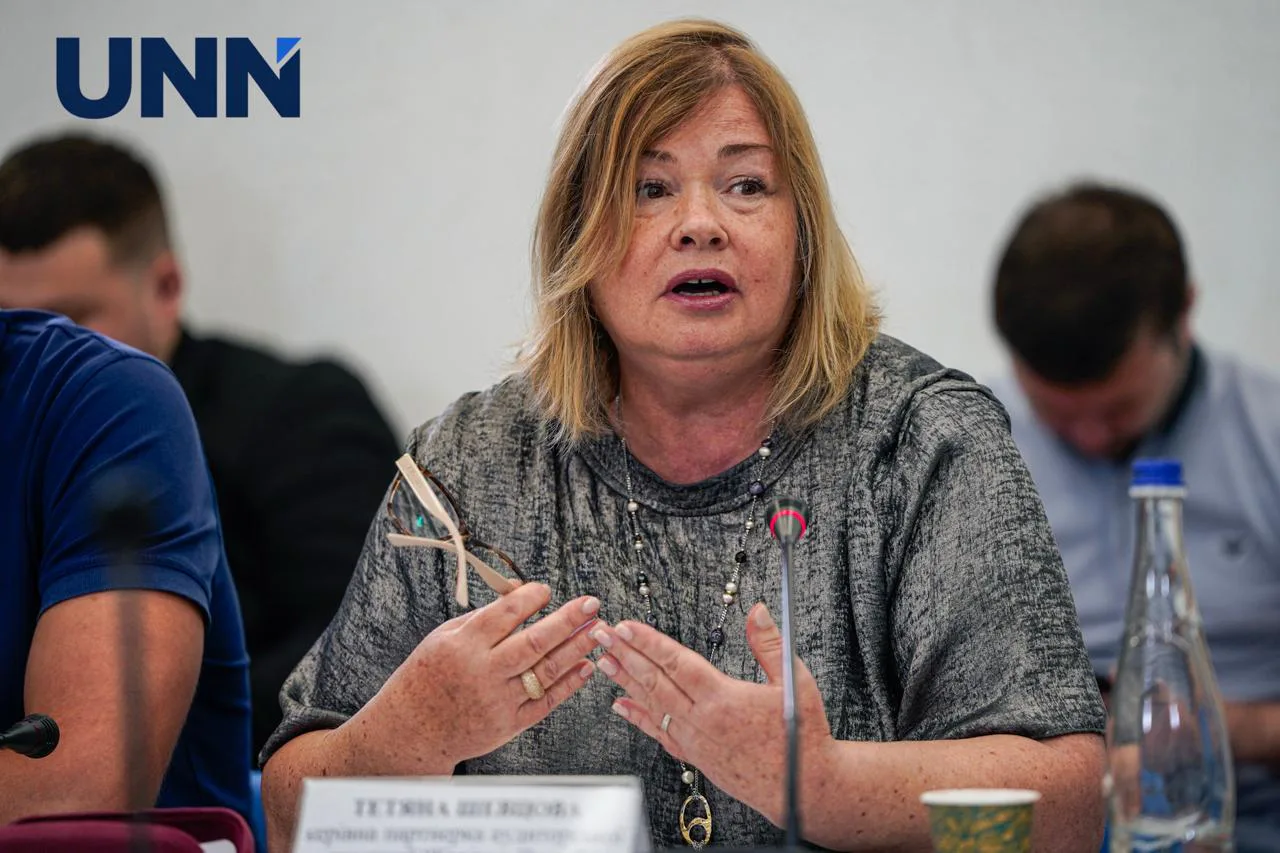
In response to criminal pressure, the tax committee of the Public Council under the Ministry of Finance initiated a response. Council member, auditor and tax consultant Tetiana Shevtsova reported that this or next week the committee will hold a meeting, and all materials regarding the taxation of vehicle leasing for non-residents will be sent to the Finance Ministry.
First of all, we will discuss this issue at the tax committee meeting with the Ministry of Finance and ask them to provide us, as the Public Council, with a written response regarding their vision of taxing such payments
Shevtsova emphasizes that the Tax Code separately defines the object of leasing and separately — royalties, and the very definition of royalties does not include rental payments. The meeting plans to invite the Ukrainian Air Transport Association, which has already appealed to state bodies with a call to develop a unified approach, as well as representatives of the State Tax Service and the BES itself. If positions can be reconciled, the Public Council will initiate a general tax explanation from the Finance Ministry — a document that all state bodies, including the BES itself, are required to take into account.
Not just aviation
According to Shevtsova, the problem extends far beyond the aviation industry. Similar logic for classifying rental payments as royalties could potentially apply to the rental of railway cars — a practice that is now "very widespread" among Ukrainian companies. Judicial practice on similar legal relations is already being formed, so the consequences could be felt by carriers and equipment lessees in various sectors of the economy.
The question is whether the Finance Ministry's explanation will outpace the expansion of the list of suspect companies — since the BES can add new airlines to the proceedings at any time, and a formal legal conclusion by the agency has no retroactive effect for already opened criminal cases.