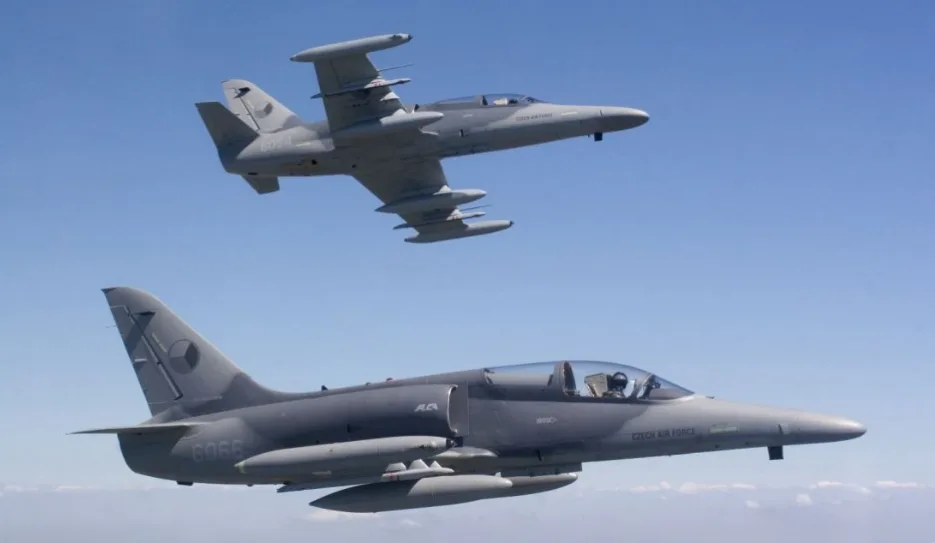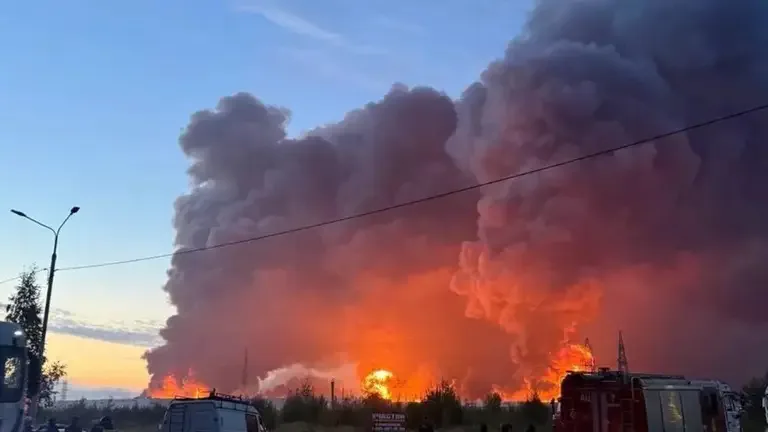
It is easiest to understand the blow to Wildberries not through billions of rubles in losses, but through an ordinary seller from the Moscow region who kept goods in a warehouse in Kolyodino. On the night of August 16, this warehouse — 250,000 square meters, the company's largest — ceased to exist after an attack by FP-1 drones. The goods either burned or became inaccessible. The seller will not receive payment for it immediately, but according to Wildberries' payment schedule — weeks later. Only now there is nothing to receive.
A scheme that only works during growth
Wildberries is built on a simple financial trick: the company receives money from the buyer instantly, but pays the seller with a delay of several weeks. All this time, other people's funds are in the company's circulation and finance discounts and current expenses.
"There was a turnover of 100 billion, you spent 50 billion on discounts, but turnover grew to 200 billion," — The Bell source describes the mechanism.
The scheme holds as long as turnover grows. After strikes on 7 of the 10 largest logistics hubs, the company's circulation has already fallen by a quarter, according to The Bell's estimates. This means that the structure that was financing itself has started to consume itself.
Who will really pay for the warehouses
Wildberries' direct losses are estimated at 100–200 billion rubles, but this is only the visible part. The company's total need for funds to "reinvent itself," according to The Bell, reaches 1.3 trillion rubles — a sum that will have to increase its debt.
The question of where to get such money, when the RF federal budget deficit has already exceeded the annual plan by 1.5 times, remains rhetorical. One real creditor is visible — VTB bank, which has long been closely connected to the marketplace.
Why this is a problem not just for Wildberries
According to Fire Point's chief designer Denis Shtilerman, Wildberries is one of Russia's largest corporate borrowers, and VTB has essentially made a bet on its growth.
"VTB was already in poor shape, and now trillions of rubles in credit will prove to be irretrievably lost. And this could bring down Russia's second-largest bank," — says Shtilerman.
Economist Vitaly Shapran confirms the direct connection: VTB planned to close a hole in its own balance sheet precisely through Wildberries, while the marketplace, in turn, was insuring itself with companies controlled by the same bank. The attack on the warehouses destroyed these plans — according to Shapran, this is already an established fact.
Signs that the crisis is not abstract
The bank is already noting problems before any public statements about Wildberries: net profit for the first half of the year turned out to be almost 20% lower than forecast, and expectations for the second half of the year have been revised downward. VTB has begun restricting account holders' access to funds — according to Shapran's assessment, the measure is forced and possibly long-term.
The RF Central Bank theoretically could provide the bank with liquidity, but is not rushing to do so — it is expensive when the budget is already falling apart.
Effect not just for banks
Behind the fall in marketplace turnover by at least 10% stand specific people: thousands of sellers have lost work, small business funds are frozen, goods are destroyed or stuck in logistics that have become more expensive due to strikes on refineries.
Does this mean an automatic collapse of Russia's banking system? Analysts are cautious: strikes on warehouses alone are not sufficient for this. But a wave of non-performing loans and the socio-economic effect from losses to ordinary Russians — this is no longer a hypothesis, but a process that is underway.
Shapran adds a key caveat: the Kremlin essentially has one tool left to stabilize the economy — high oil prices, which requires destabilization of the Middle East in cooperation with Iran and the Houthis. But for this to work, high prices must hold for at least six months.
The question now is practical: will the Kremlin manage to activate the oil lever faster than VTB and Wildberries drag each other to the point from which there is no return?