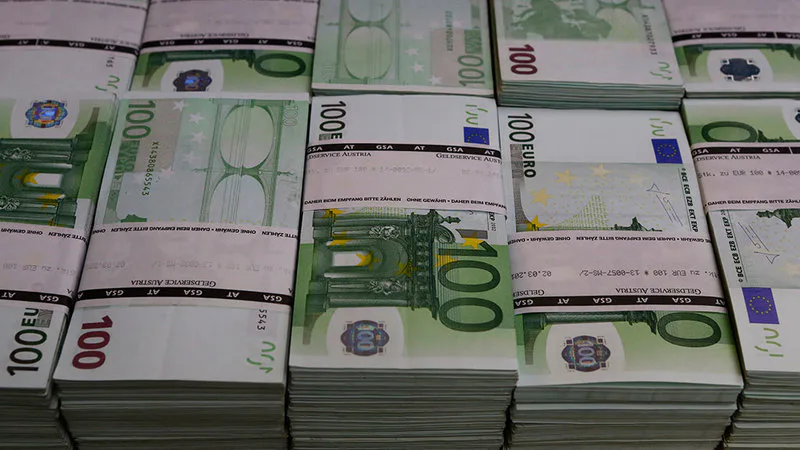
Naftogaz on June 9 reached principled agreements with a special committee of holders of two series of Eurobonds on the restructuring of obligations totaling approximately €1.2 billion. The euro series will have a new maturity date — January 2032, the dollar series — January 2033.
Why now
According to the head of the board of NAK Sergiy Koretsky, the decision was made under conditions of unprecedented pressure on infrastructure: in 2025 alone, the Russians inflicted 229 strikes on Group facilities — more than in the first three years of the full-scale invasion combined. Since the beginning of 2026, over 170 attacks have been added.
«Constant damage leads to losses of own gas production, which the company is forced to compensate at the expense of more expensive imported fuel. This significantly pressures financial and economic indicators»
— Sergiy Koretsky, head of the board of NAK «Naftogaz of Ukraine»
This very argument became the main one in negotiations with creditors: the company did not hide the problem, but put it on the negotiating table with figures.
What this means in practice
- Avoiding default. Without the agreement, Naftogaz would have to pay billions of euros in the coming years — in conditions where part of production capacity is destroyed or frozen.
- Liquidity release. Resources previously reserved for debt repayment will go towards restoring destroyed facilities and preparing for the heating season.
- Reputational signal. According to estimates by ZN.ua analysts, successful restructuring preserves access to external credit markets for Naftogaz in the future — after the end of the war.
Context is important: this is not the first restructuring of the company's Eurobonds. In September 2023, Naftogaz emerged from default on 2022 bonds, agreeing with creditors, including Amundi SA and BlackRock Inc, to defer payments and slightly increase coupon rates. At that time, Alexander Parashchiy, head of the analytical department at Concorde Capital, assessed the terms of that agreement as «very good», noting that rates of 7-8% could be considered preferential. The current agreement is even longer: the repayment horizon is 2032-2033.
What remains unresolved
A principled agreement is not a final document. The agreement is subject to final approval by the governing bodies of NAK and relevant ministries. For it to take effect, traditionally at least two-thirds support from Eurobond holders is required — this threshold proved critical during previous rounds.
In parallel, the company reported another strike: in May, an attack on Naftogaz facilities claimed the lives of 3 employees and 2 DSNS rescuers, 37 people were injured. This is the operational reality in which negotiations with creditors take place.
If Naftogaz receives final approval before the start of the heating season — the logic of released funds works: money will go to repairs this summer. But if voting by Eurobond holders drags on or fails due to failure to reach quorum, the company will again face a choice between debt and gas pipelines.