Every time a Ukrainian orders a children's jumpsuit on Temu or a power bank on AliExpress, the state receives nothing — if the package costs less than 150 euros. According to the Institute for Socio-Economic Transformation (ISET), such shipments account for 56% of the total number in 2025. These are goods worth approximately 93 billion hryvnias, from which the budget lost at least 18.6 billion hryvnias in VAT.
The head of the Verkhovna Rada Committee on Finance and Tax Policy Danylo Hetmantsev outlined the key points in an interview with Ukrinform: Ukraine will not introduce a fixed collection fee of 3 euros per parcel — as in the EU. However, he calls 20% VAT on all international shipments inevitable.
«This bill is resonant and complex, its consideration has already failed once in the parliamentary chamber. But I am convinced that we have no other way out, we must do this to maintain the trust of our partners».
Danylo Hetmantsev, head of the Verkhovna Rada Committee on Finance
What lies behind the numbers
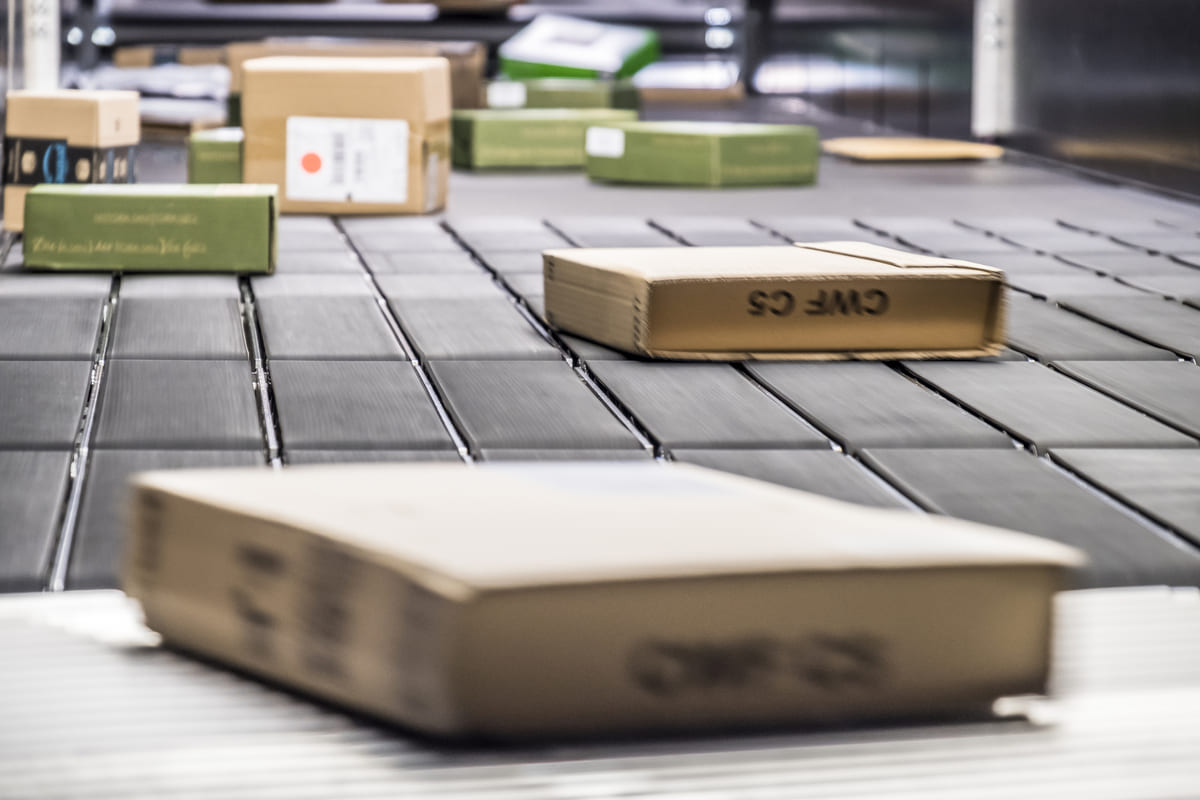
According to the customs service, Ukraine received 75 million international parcels in 2025. 90% — from China, Poland, and the USA. 98.6% cost less than 150 euros. The largest senders are Temu (goods worth 13.5 billion hryvnias) and AliExpress (4.4 billion hryvnias). Average monthly shipments from Temu increased 8 times over the year.
This is not an abstract fiscal failure. Through this channel, Ukrainians buy cheap clothing, communication devices, and batteries for drones. Economist and co-founder of the analytical center "Ukrainian Institute of the Future" Anatoly Amelin warns: «A price increase on children's clothing, power banks, and flashlights affects literally every family. Every family with a child, every pensioner, every military wife».
Why this is not just a domestic issue
The adoption of the law is fixed in two external commitments simultaneously: an IMF memorandum and an EU credit agreement worth 90 billion euros. On May 26, the Verkhovna Rada already failed the previous bill No. 12360 — literally on the eve of the IMF mission's arrival in Kyiv. That failure blocked the next tranche of 686 million dollars.
Economist Oleg Pendzyn is blunt: «Until the milestones are met, no one will give a single kopeck. Honestly, I don't understand this irresponsibility at all». According to him, there is no option to completely abandon the law — it is only a matter of time and form.
What the new bill proposes
- 20% VAT — on all goods from foreign online stores and marketplaces regardless of cost
- 10% duty — on goods worth more than 150 euros (previously charged only on the amount exceeding the threshold)
- C2C parcels up to 45 euros — without VAT if non-commercial (between individuals)
- New rules will take effect no earlier than January 1, 2027
- Marketplaces are required to register as VAT payers, collect tax from customers, and keep data on shipments for 10 years
Meanwhile, MP Nina Yuzhanina is skeptical about administrative readiness: a buyer may not even know whether a marketplace is registered in the system and will receive a parcel with an unpredictable tax surprise at customs.
Hetmantsev also clarified the limit: reducing benefits to EU levels — in particular, abolishing the 150-euro duty threshold — is only possible after Ukraine joins the European Union. That is, 3 euros per parcel, as in the EU now, is not an immediate prospect.
If parliament fails the vote again before the end of the current IMF program review, the fund may give the norm the status of prior action — a mandatory precondition for any subsequent tranche. This means: no money until the law is passed. Whether there are enough votes in the Rada this time depends on whether the opposition is ready to stop external financing for electoral populism or is merely simulating resistance before the inevitable.