Oschadbank opened a credit line of 2.5 billion hryvnia to Kyiv for repairing heat networks and protecting energy facilities from shelling. At first glance, it's a routine news story about winter preparation. But behind it lies a practical question that deserves to be asked directly: why is the city patching up war-damaged infrastructure through loans rather than direct state financing?
Who will pay for missile strikes on heating plants
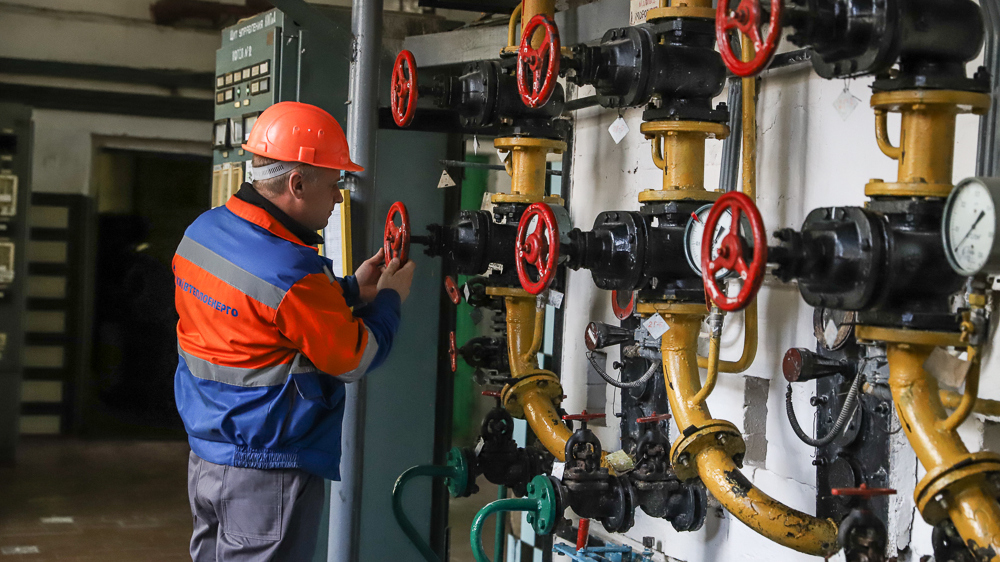
The money from Oschadbank will go toward repairing damaged Kyivteplenergо facilities, backup power for critical infrastructure, and physical protection of already restored networks. In other words, this is not about development, but about patching what was destroyed by fire.
The loan rate is floating, up to 22% per annum, with the agreement running until the end of 2028. The principal and interest will be repaid from Kyiv's budget. In simple terms: if the war continues and attacks on infrastructure repeat, the city will accumulate debts for repairing what the enemy destroys, rather than what some contractor damaged due to force majeure.
A 50/50 deal that didn't work
Just last week, Mayor Vitaliy Klitschko publicly accused the government of breaking an agreement to finance the city's energy resilience in a 50/50 proportion from a total of 37 billion hryvnia. According to him, due to bureaucratic delays, Kyiv is forced to build cogeneration and backup power systems on its own — and, as we can see now, to take out loans at market rates.
"For us as a state bank, financing energy resilience projects for Ukrainian cities is important not only as a business partnership, but also as a social responsibility to communities during wartime," said Sergiy Chernikov, deputy chairman of Oschadbank's board.
The language about "social responsibility" sounds notable: the state bank is essentially compensating for what the state budget fails to do directly.
Oschadbank is not the only lender
In parallel, Kyiv is negotiating a 50 million euro loan from the European Bank for Reconstruction and Development. Together with Oschadbank's loan, this creates a picture of a city financing the defense of its own heat infrastructure primarily through borrowed funds from multiple sources simultaneously — a Ukrainian state bank and an international financial institution.
For comparison: budget subventions theoretically have no interest rate and do not create debt burden on the city. A loan at 22% is about the cost of money that Kyivans will pay for years ahead, regardless of how many additional shelling attacks the city's heat energy infrastructure can withstand this winter.
What this means for residents
- Tariffs or the city budget will indirectly bear the burden of debt servicing until 2028.
- The speed of repairs will depend on how quickly the bank considers it necessary to disburse tranches under the credit line.
- If the state fails to fulfill its 50/50 promise, such credit lines risk becoming standard practice for other cities preparing for winter under shelling.
The question for the coming months is simple: will the Cabinet of Ministers compensate for at least part of this loan by the end of the heating season, or will Kyiv continue to finance the consequences of Russian strikes through debt?