In high diplomacy — decisions that affect money and security
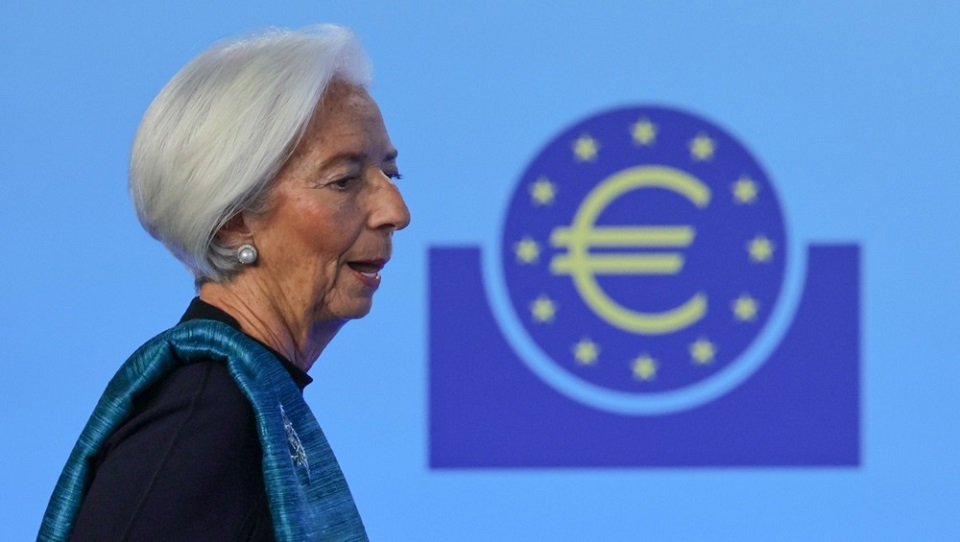
Financial Times, citing an informed source, reports that the president of the European Central Bank Christine Lagarde could leave her post before the end of her term in October 2027. According to the paper, she is said to want to step down earlier — before the French presidential election in April 2027 — to allow the incumbent president Emmanuel Macron and the German chancellor Friedrich Merz to agree on a successor.
Official reaction and context
"The President is fully focused on carrying out her mandate and has not made any decision"
— European Central Bank (official statement)
This is not an official confirmation from Lagarde, but it is typical for large institutions: leadership changes are often born of political agreements rather than public announcements. Building consensus between Paris and Berlin has traditionally determined who will lead key European institutions.
Who is favored — and why it matters
Questions posed by Financial Times point to several potential candidates: Pablo Hernández de Cos (former head of the Bank of Spain), Klaas Knot (head of the Dutch central bank), as well as names such as Isabel Schnabel and Joachim Nagel. Such a shortlist reflects a desire to preserve a technocratic and independent logic in the ECB’s leadership.
At the same time, a strong position for eurosceptic forces in France cannot be ruled out: the article mentions the possibility of victory by the leader of the National Rally — Jordan Bardella. A win by a eurosceptic in France would complicate the agreement on a candidate and call into question the political climate surrounding EU institutions.
What this means for the euro and for Ukraine
A change of the ECB president is not just a personnel matter. Its consequences affect monetary policy, investor confidence, the cost of borrowing for governments and businesses, and therefore Europe’s ability to finance reconstruction, sanctions and military aid. For Ukraine this is a matter of direct interest: a stable euro and a predictable ECB policy help lower borrowing costs for European support platforms and reduce market volatility, which affects the volume and speed of assistance.
"I agreed to lead the ECB on the understanding that it was a five-year mandate"
— Christine Lagarde, interview with Bloomberg TV, January 2026
How the scenario might unfold
If Lagarde does indeed leave early, the main struggle will take place not on stage but behind the scenes — between Paris and Berlin, and within the ECB’s pool of technical and economic experts. If the winner of the French elections strengthens a eurosceptic course, the coordination procedures may be delayed or politicized — which would increase uncertainty in the markets.
Conclusion: diplomacy, money and security go hand in hand
This decision is not about a single chair. It is about how much the independence and predictability of Europe’s monetary policy will be preserved at a time when currency and market stability are critical to supporting partners, including Ukraine. The question now falls to leaders: will diplomatic agreements produce a candidate who maintains the trust of markets and partners?