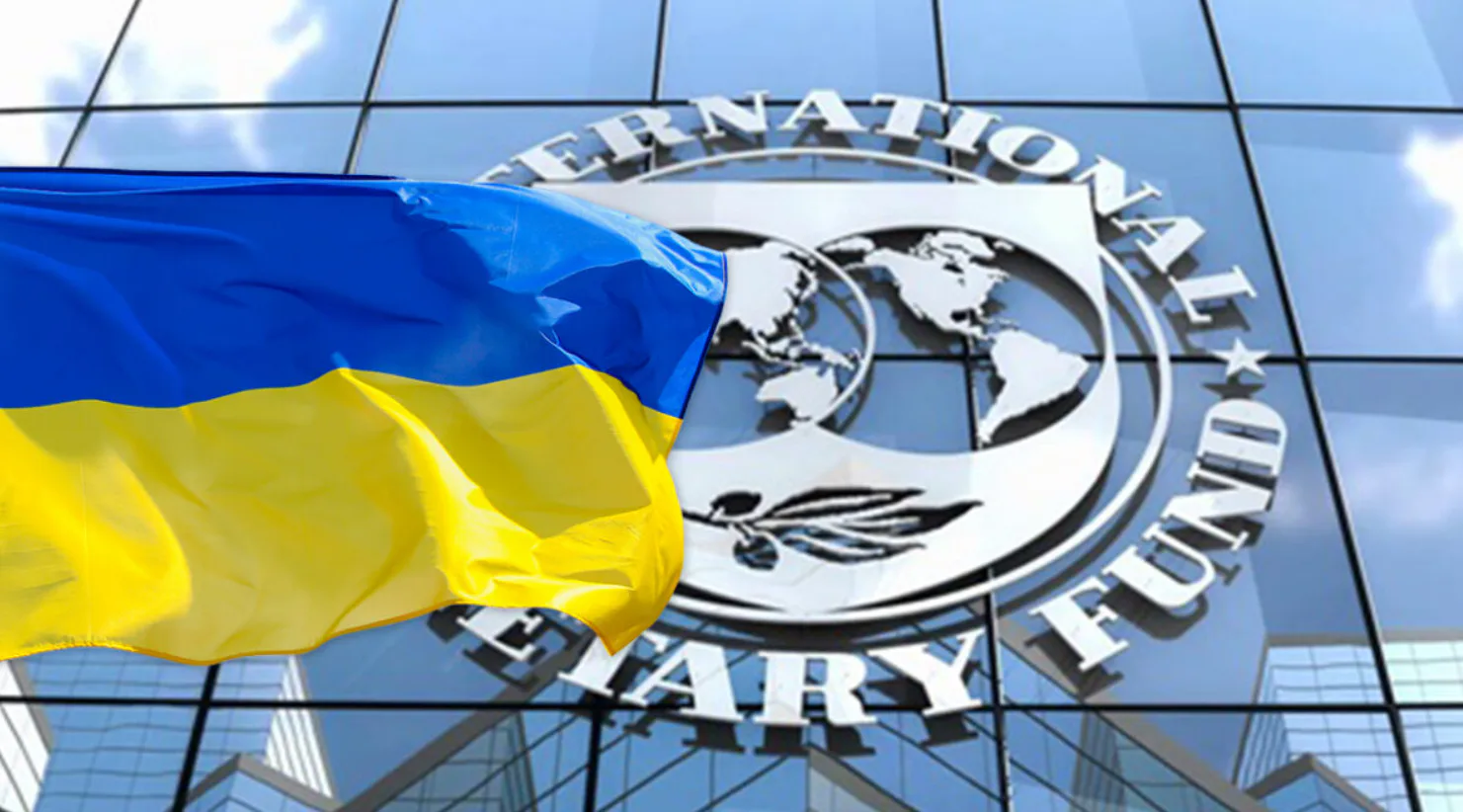
The Executive Board of the International Monetary Fund completed the first review of a four-year extended financing facility (EFF) program for Ukraine and approved a new tranche — 503 million special drawing rights, or approximately $690 million. After its receipt, total disbursements under the program will reach approximately $2.2 billion.
The decision looks like a victory, but the IMF's own text contains a significant caveat: two structural benchmarks for the first quarter were met with a delay, and another — a VAT benchmark — was not met at all. The Verkhovna Rada failed to pass a bill to cancel the tax-free import privilege for parcels worth up to €150 just on the eve of the Fund's mission starting work in Kyiv.
What Ukraine received — and what it promised in return
Instead of fulfilled conditions — revised timelines and new commitments. According to Interfax-Ukraina citing IMF materials, "the authorities agreed to corrective measures and revised timelines for key reforms, confirming their commitment to the program's fiscal, anti-corruption, energy, and financial sector goals."
IMF mission chief Gavin Gray stated that the pace of structural reforms has slowed. The Fund sees informal economy formalization as a key resource for covering defense spending: reducing informal employment, combating tax evasion, and strengthening customs control. In parallel, the IMF called for accelerating competitive appointments of leaders of state enterprises and banks and strengthening the independence of NERKC — the energy regulator.
"Key priorities include reducing informality, mobilizing domestic revenues, improving the investment climate, strengthening anti-corruption institutions, and advancing state enterprise reform."
IMF, official communiqué after the first EFF review
How much money the budget loses through unfulfilled conditions
The parcel privilege up to €150, which the Rada failed to cancel, is not abstract. Oleh Hetman, coordinator of expert groups at the Economic Expert Platform and associate expert at CASE Ukraine, calculated: at current growth rates of shipments, budget shortfalls from this privilege in 2025 will amount to approximately 17.9 billion hryvnias, and in 2026 — already 27 billion hryvnias. At the same time, Hetman supports the transition to the European One Stop Shop model, under which VAT will be paid by marketplaces themselves, not buyers — meaning consumers will not feel the change.
Regarding VAT for individual entrepreneurs (FOP) — the issue is more complex. The IMF demanded introducing a tax for entrepreneurs with annual income exceeding 1 million hryvnias, but the bill faced harsh criticism from business. The government is negotiating with the Fund about raising the threshold to 2–4 million hryvnias or replacing the requirement with alternative mechanisms to combat "FOP splitting."
What really stands behind the tranche
$690 million is not simply a reserve replenishment. It is a signal to other creditors: the program is alive, Ukraine remains in the game. This explains the IMF's logic for disbursing money despite unfulfilled conditions: breaking the program would cost far more than postponed deadlines. The NBU's reserves remain under pressure — Ukraine failed to meet the June indicative target for net international reserves, partly due to the impact of war in the Middle East on commodity prices.
At the same time, the IMF noted: Ukraine has maintained macroeconomic stability amid full-scale war — thanks to prudent policies, participation in the program, and donor support.
If by the next review the Rada again fails to pass the parcel bill, and negotiations on FOP reach an impasse — will the IMF agree to postpone timelines a third time, or will it finally put disbursement under serious question?