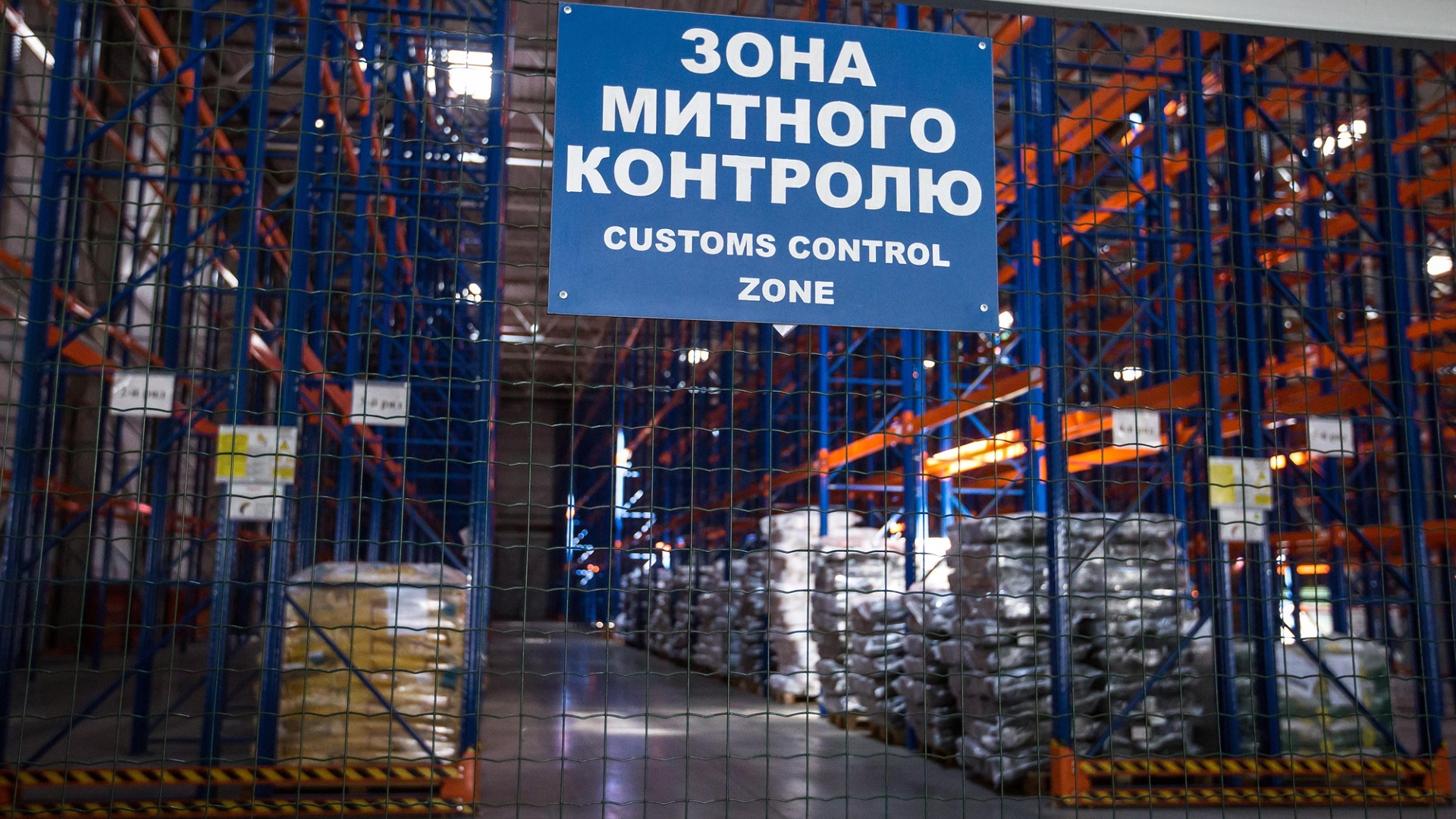
Behind every hryvnia of the 78.3 billion that the State Customs Service transferred to the budget in July stands a specific person: an entrepreneur who loaded a truck despite shelling on the highway, an agrarian searching for an alternative grain route, an importer who paid customs duty on goods brought in to bypass a blocked port. Together, these decisions produced the highest monthly figure for the entire period of martial law.
Compared to July 2025, revenues increased by more than 13.1 billion hryvnias, or 20.2%. In total, since the beginning of the year, over 498.4 billion hryvnias in customs payments have been directed to the budget—money that goes directly toward weapons, pensions, and social benefits, while the rest of the economy struggles to survive under infrastructure shelling.
A Record That Stops Being Convincing
This is already the second consecutive "highest figure for the period of war"—a month earlier, in June, based on work results for June 2026, Ukraine's State Customs Service transferred 78.1 billion hryvnias in customs payments to the budget, which was the highest monthly figure for the entire period of martial law in Ukraine. July added only 200 million hryvnias to this—a symbolic increase that looks more like a pause before a fall than confident growth.
This is confirmed by Yaroslav Zheleznyak, first deputy chair of the Verkhovna Rada's committee on finance, tax and customs policy: "A decent result, but I am convinced that soon we will see in the statistics the negative effect of disrupted port and railway logistics."
The customs service itself already acknowledges the problem. According to its statement, the destruction of facilities belonging to taxpaying enterprises and imported goods, as well as the suspension of sea shipments through Ukrainian ports, had a substantial impact on economic activity in Ukraine in July. In other words: the record occurred not because of favorable conditions, but despite the fact that part of the facilities that should be paying taxes no longer operate.
Who Will Feel the Consequences
Behind the dry figures stand specific sectors that are already preparing for losses:
- Agrarians and grain traders—the Ukrainian Grain Association warned of possible problems with grain exports due to blocked ports, which means longer and more expensive routes, lower purchase prices for farmers, and delays in payment for harvest.
- Importers and retail trade—the shutdown of sea shipments increases logistics costs, which ultimately are passed on to the price of goods on the shelf.
- The Ministry of Development is already seeking alternatives: last week the ministry reported that Ukraine would again turn to "solidarity corridors"—land and river routes through Europe, which have always been slower and more expensive than maritime transport.
Notably, even under these conditions, business does not stop: "Despite these challenges, business entities continue to work and replenish the budget," the customs service stated. This is not cause for reassurance, but rather a sign of how deep the reserve of strength that the Ukrainian export-import sector is now exhausting.
What Comes Next
July recorded a peak built on the work of enterprises that attacks had not yet managed to completely shut down. If shelling of port and railway infrastructure continues at the same intensity, August or September customs statistics may show, for the first time in many months, not another record, but a decline in revenues—and this will be the first direct signal that the logistics war against exports is beginning to win against the economy.