A teenage child at a factory under martial law had the same right to rest as an adult employee without special status: 24 paid days — and no more. This is how the law operated until May 19, 2026. The Grand Chamber of the Constitutional Court of Ukraine recognized this as unconstitutional.
What exactly the court struck down
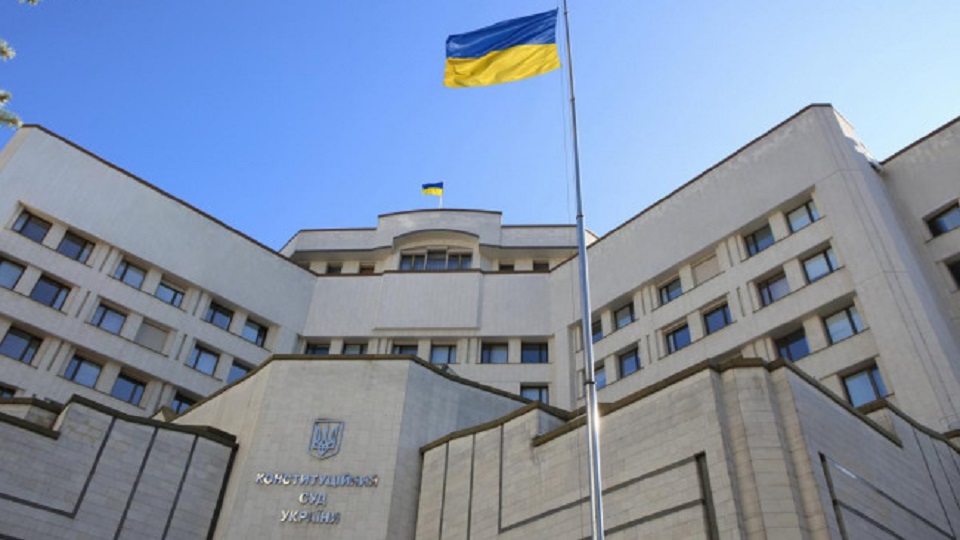
Decision No. 3-р/2026 concerns the Law "On the Organization of Labor Relations under Martial Law" No. 2136-IX. The CCU found unconstitutional the provisions that allowed employers to limit or not pay part of annual leave beyond 24 calendar days — for minors and persons with disabilities. It is precisely this extended portion that is provided by law as a minimum guarantee: these categories require more time for health recovery, and the state recognized this even before the war.
Separately, the court struck down the rule on indefinite postponement of unused vacations. Before the CCU decision, employers could defer the provision of vacations for an indefinite period due to martial law — and even after its completion, continue to apply restrictions until the employee used all deferred days. Now postponement cannot be unlimited: after martial law ends, all accumulated vacations must be granted with full payment.
"The Constitutional Court of Ukraine thoroughly reviewed these provisions and reached an unequivocal conclusion: they contradict the Constitution of Ukraine"
Dmytro Lubinets, Ombudsman, initiator of the constitutional submission
The court's logic: humanitarian model versus military flexibility
The CCU established that the Constitution of Ukraine is based on a humanitarian model of labor — founded on a balance between work and personal life. The provision of legally guaranteed vacation without pay preservation, in the court's view, is inconsistent with the principles of decent work and effectively nullifies the essence of a social state. Restrictions on constitutional rights, if permitted during martial law, must have a clear and specific time limit — not a vague "until all deferred days are used."
The reporting judge in the case was Viktor Horodovenko.
What changes in practice from May 19
- Unused days of annual leave beyond 24 calendar days during martial law must be paid.
- Employers cannot replace these days with unpaid vacation.
- After martial law ends, deferred vacations are granted exclusively with payment — regardless of when they were deferred.
- Employers retained flexibility tools regarding the standard 24 days, but lost the ability to manipulate payment for vulnerable categories.
In January 2026, the Cabinet of Ministers adopted a draft Labor Code of Ukraine, which is intended to launch a broader labor market reform. The CCU's decision is a separate signal to the legislator: if the new code reproduces similar provisions — it risks failing the constitutional test again.
If the Verkhovna Rada does not bring Law No. 2136 into compliance with the CCU decision before martial law ends, a legal gap will emerge: hundreds of thousands of employees will have grounds to demand a recalculation of payments — but without a clear mechanism for how to do it.