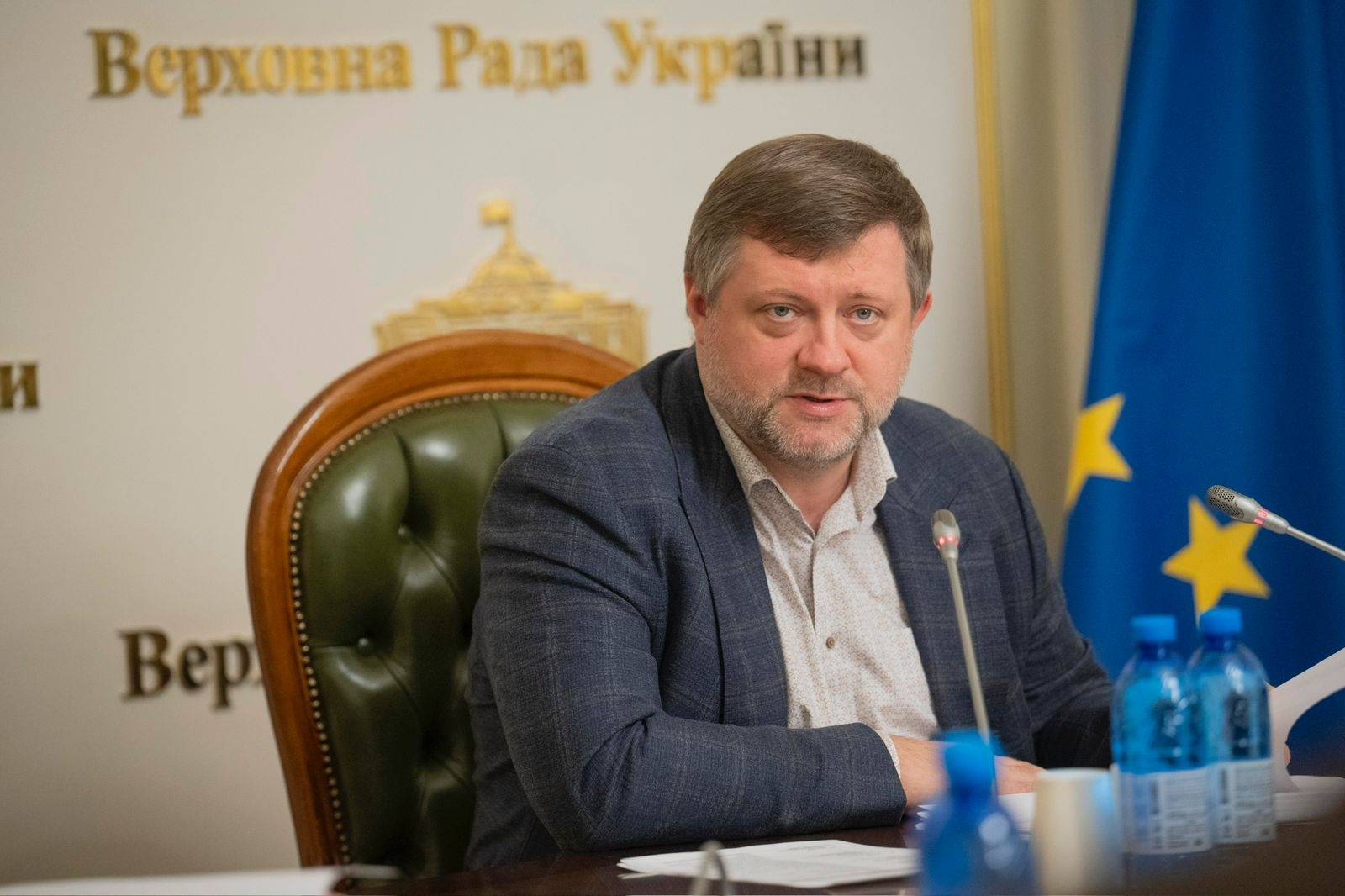
Organizing the elections as a matter of security and trust
The first deputy speaker of the parliament, Oleksandr Korniyenko, stated bluntly: organizing the upcoming elections under current conditions will cost "perhaps more than 10 billion hryvnias," and these expenditures should fall partly or entirely on the shoulders of international partners (interview with Noviny.LIVE). This is not just arithmetic — it is an issue that combines logistics, citizens' rights, and the international legitimacy of the results.
"These are billions of hryvnias. Ordinary elections used to cost us 2–3 billion… Now we're talking about perhaps more than 10 billion. It must be understood that partners should fully provide for this."
— Oleksandr Korniyenko, first deputy speaker of the Verkhovna Rada, head of the 'Servant of the People' party (Noviny.LIVE)
Why the cost has risen
The reasons are simple and at the same time complex. First, the scale of the challenges: according to officials' estimates, more than 4 million citizens are currently abroad — they must be given the opportunity to vote in various ways. Second, the destruction of infrastructure: different estimates cite figures from 2,000 to 6,000 polling stations that are damaged or destroyed. Third, inflation and higher costs for logistics, security, and payment for commission members — about 70% of expenses fall on the salaries of election commission members (estimates by the CEC).
Differences in estimates — what the different numbers mean
Estimates vary: Deputy Chair of the CEC Serhiy Dubovyk spoke of an amount of about UAH 20 billion including related expenses (interview with RBC-Ukraine), while Korniyenko mentions "over UAH 10 billion." The difference is partly due to methodology: whether to include all accompanying costs (logistics, information campaigns, security, international assistance) or only direct expenditures on polling stations and commissions. The type of election also matters — a baseline estimate for parliamentary or presidential elections differs significantly.
"Conducting the upcoming elections will cost at least UAH 20 billion when all accompanying expenses are taken into account."
— Serhiy Dubovyk, deputy chair of the CEC (RBC-Ukraine)
Who will pay and what the plan should be
The request for international financing is not a cry into the void but a practical calculation. Partners already fund security and humanitarian programs; ensuring electoral rights is a logical extension of that support and a marker of confidence in the restoration of democratic processes in Ukraine. But clear mechanisms are needed: transparent contracts, independent oversight, security guarantees for election commissions and citizens voting both in Ukraine and abroad.
Conclusion: elections as a test of statehood
Counting hryvnias is important, but even more important is the question of format and guarantees. The speed and transparency of agreements with partners will determine not only a budget line but also how the international community perceives the election results. Whether partners are ready to move from declarations to concrete financial and logistical steps is the key question for the coming months.
The ball is now in the court of those who speak about supporting democracy: will words turn into signed agreements and mechanisms that actually ensure every Ukrainian's right to vote?