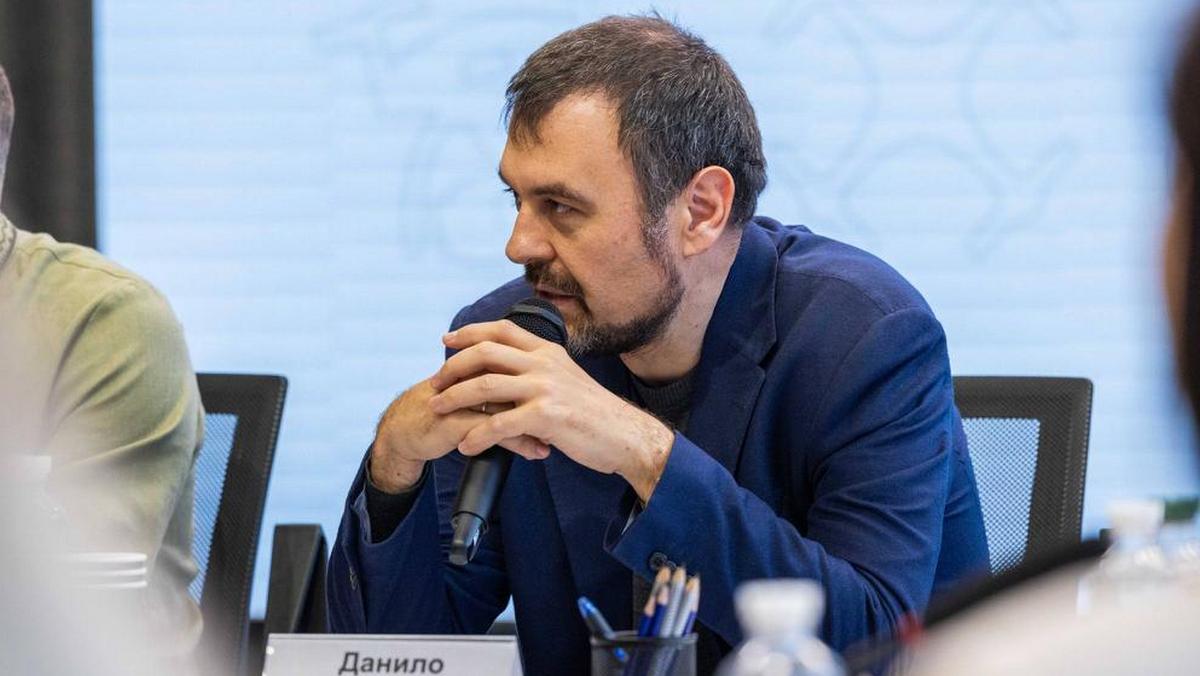
While the state attracts loans for defense and asks citizens to declare their savings, the leadership of state banks receives payments that can hardly be called anti-crisis measures. Danylo Hetmantsev, head of the parliamentary committee on finance, released screenshots with data on monthly payments to top managers and appealed to the Cabinet of Ministers demanding limits on compensation.
What exactly outraged Hetmantsev
Specific sums are in the public reports of the banks themselves, which since November 2024 are obligated to disclose data on payments to management. These data were recorded by journalists from several publications.
Oschadbank: chairman of the supervisory board Volodymyr Lavrenchuk — 768 thousand hryvnia for June. Members of the supervisory board — from 590 to 650 thousand hryvnia per month. One of the first deputy chairs of the board — 9.2 million hryvnia per month, another — 4.5 million hryvnia. PrivatBank: chairman of the supervisory board Nils Melngailis — over 1 million hryvnia per month before taxation. In total, heads of the boards of state banks in 2025 received over 100 million hryvnia cumulatively; the largest individual compensation exceeded 34 million hryvnia per year.
"Have you suddenly gone insane to pay such amounts during a war? I appeal to the Cabinet of Ministers regarding this outrage."
Danylo Hetmantsev, Facebook
Banks' argument — and why it doesn't close the question
The standard response to criticism of state bank salaries is "management earns billions for the budget." This is true: PrivatBank, Oschadbank, and Ukrenergo are profitable and transfer dividends to the state budget. But there is a structural nuance here: managers are hired administrators, not co-owners of profits. Their compensation is determined by supervisory boards, whose composition also receives these same 590–768 thousand hryvnia per month — and approves payments to the board.
In other words, the system sets its own rates without external constraints. This is precisely the gap Hetmantsev wants to close through the Cabinet of Ministers — but no control mechanism has been announced following his appeal.
Context: Hetmantsev has pressured banks before
- In June 2026, at his initiative, the Council voted to recognize heads and members of the boards of state banks as politically significant persons — the law has not yet come into force.
- He is also the initiator of increased profit tax rates for commercial banks in 2027.
- The salaries of state bank leadership became public only after the adoption of a law on transparency of payments in state-owned enterprises — in other words, the scandal became possible precisely thanks to a norm that deputies adopted earlier.
Ukrgazbank is also in this picture: acting chairman of the board Rodion Morozov in 2025 received almost 18.2 million hryvnia in annual accrual plus approximately 600 thousand hryvnia in material assistance from the bank's trade union — a structure that is formally not a state body and therefore makes separate payments.
If the Cabinet of Ministers responds only with a recommendation letter without changing the charter or resolution on maximum compensation limits — this discussion will repeat next quarter with the same figures and the same rhetorical question.