On April 9, the High Anti-Corruption Court sentenced Dmytro Yehorenko in absentia to ten years in prison with confiscation of property — and by the same ruling, released him from serving the sentence due to expired statutes of limitations. Formally — a verdict. In fact — a statement that the system failed to keep up.
What he did — and why this is more than just a banking matter
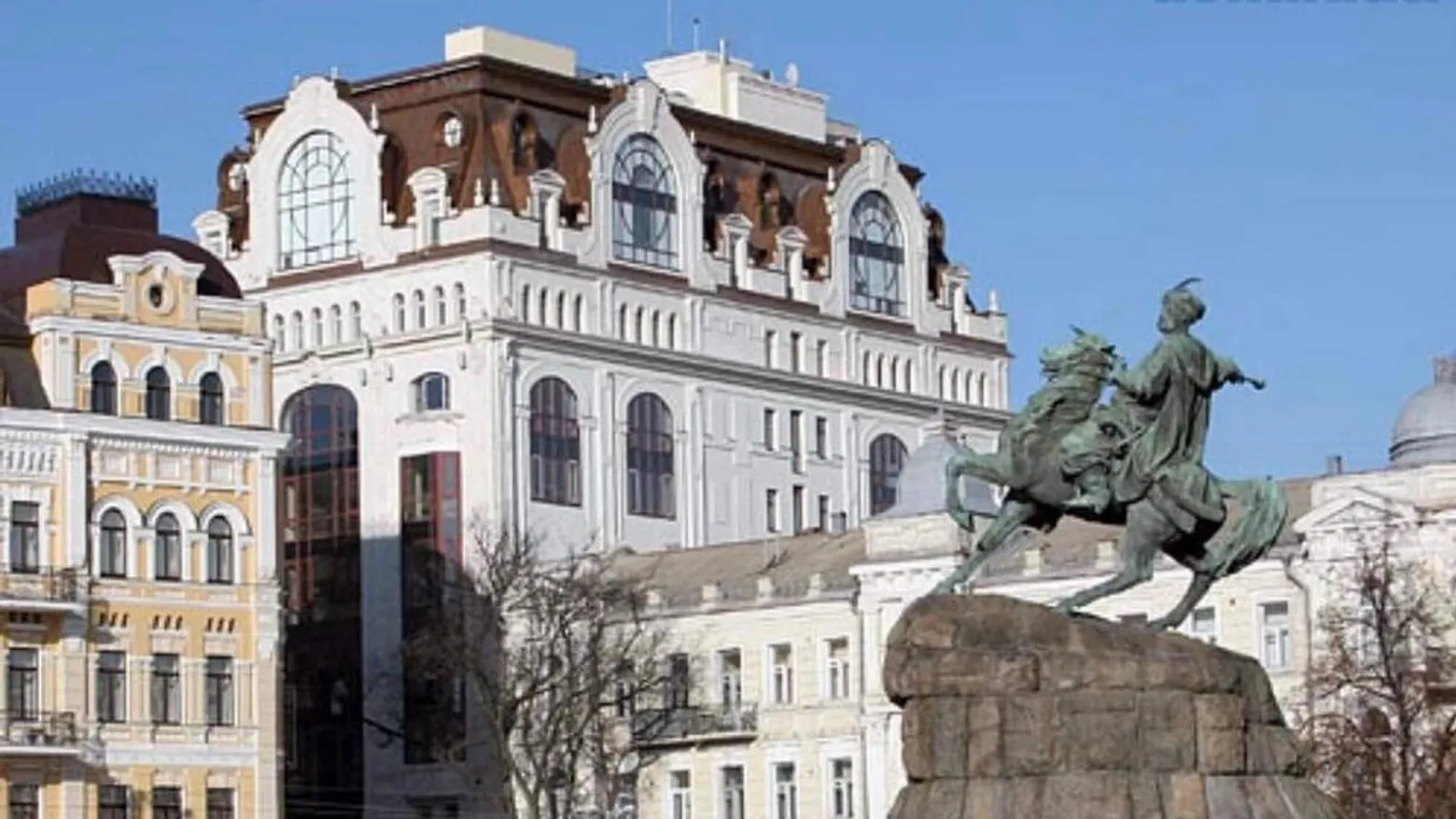
Yehorenko headed Rodovid Bank for only six months in 2009 — during the height of the crisis, when the state was already pouring billions into the bank. According to the prosecution, it was then that he helped former MP Oleksandr Shepeliev seize 18.45 million hryvnias through a fake lease: the bank allegedly rented an office in a building on Rylsky Lane, 4 — owned by Shepeliev's wife — and financed "renovations" there. In reality, the bankers never moved in.
Instead, in the fictitiously renovated premises, as reported by media at the time, People's Deputy Yuriy Ivanyushchenko — known as "Yura Yenakievsky," a person from Yanukovych's circle — set up his office. The scheme read clearly: state bank money — into a pocket through a fake lease, and an office — to a regional as a bonus for patronage.
"The specified person is released from punishment due to expired statutes of limitations"
— HACC ruling from April 9, 2025
Shepeliev, whom the investigation called the scheme organizer, has long had separate convictions — including for contract murder of a competitor. Yehorenko has been abroad all this time: back in 2019, he was declared wanted through Interpol, his assets were arrested, but he never appeared in court.
Ten years of investigation — and zero imprisonment
The crime occurred in 2009. Asset seizure — in 2018. Verdict — in 2025. During this time, statutes of limitations for serious crimes expired. The HACC acted under Criminal Code norms: Part 2 of Article 49 and Part 5 of Article 74 directly provide for release from punishment if the statute of limitations expired before the verdict came into force. The court has no discretion here — it is obligated to apply the norm.
But the problem is not with the court. According to Transparency International Ukraine, in 2023, 21% of the accused in cases brought by NABU and SAP were released from liability precisely due to expired statutes of limitations. The Yehorenko case is not an exception, but an illustration of systemic failure: investigations drag on so much that time becomes the most effective lawyer.
- The state spent 12.35 billion hryvnias on rescuing Rodovid Bank
- The bank never resumed full operations and was eventually liquidated
- None of the key figures in the 2009 fraud scheme served real punishment
Separately worth mentioning is a parallel scheme: Yehorenko also signed a deposit agreement with Dmytro Firtash's structure "UkrGazEnergo" at 48% annual interest — almost three times above market rates at that time. Commercial courts ruled the contract illegal, but this had no criminal consequences for the signatories.
There is a verdict. There is no punishment. What next?
Legally, the case is closed. Yehorenko — convicted, but free. Confiscating property of a person who has been abroad for years and ignores Interpol is practically impossible.
The question this case leaves: if Ukraine cannot legally stop the statute of limitations clock while a defendant is wanted — won't fleeing abroad become the most reliable defense strategy for the next generation of corrupt officials?