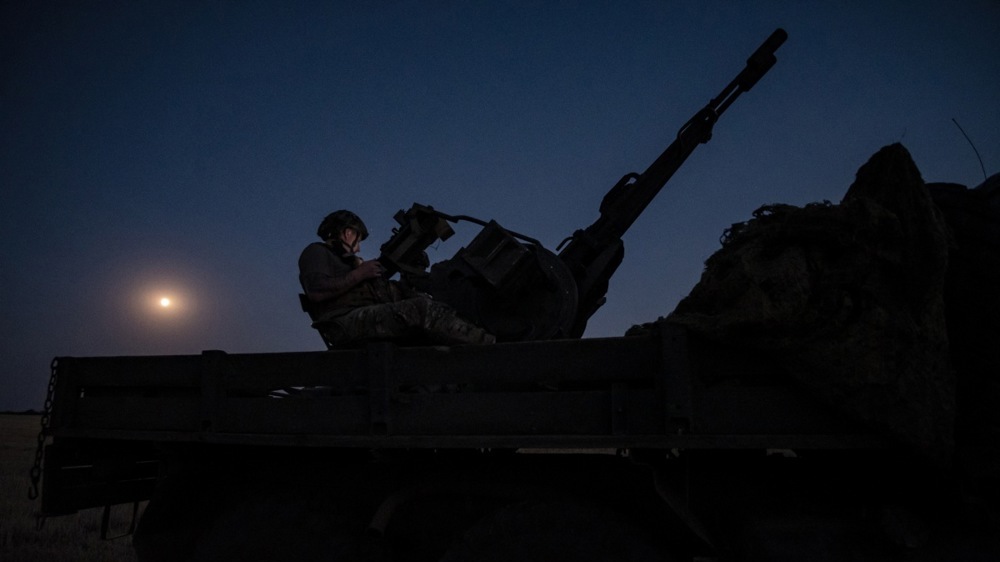
The Cabinet of Ministers has changed the mechanism for voluntary air defense groups — units operating within voluntary formations of territorial communities (VFTC). The Defense Ministry initiative removes organizational barriers that have hindered network deployment since the launch of the experiment in June 2025.
What has changed in practice
Before the update, communities were essentially dependent on state transfers. Now local authorities can directly allocate local budget funds for: combat duty of personnel, purchase of strike unmanned aircraft, electronic warfare equipment, fuel and other supplies. According to the official Cabinet of Ministers website, the changes also detail requirements for personnel training.
In parallel, the mechanism for additional remuneration has been regulated: according to Ekonomichna Pravda, the basis for payment is a confirmed fact of hitting or destroying an air target. The base rate is up to 100,000 UAH per month proportional to the time spent on air defense activities; it is accrued by order of the commander of the Armed Forces of Ukraine unit at the request of the VFTC commander.
Who can join — and on what terms
The project is designed for volunteers who are not subject to mobilization, including reserved men. A contract is concluded for three years; applications should be made to the VFTC commander at the place of residence. Groups are subordinate to the Armed Forces of Ukraine Territorial Defense Forces, and for air defense tasks — to the Air Force Command.
"Air defense groups will be formed on a territorial basis. They will be subordinate to the commanders of the Territorial Defense Forces, and for air defense tasks — to the Air Force Command of the Armed Forces of Ukraine."
Ministry of Defense of Ukraine
Broader context: decentralization of defense
Resolution No. 699 of June 11, 2025 — the first link in a chain of regulatory changes. In July, the government launched a separate experiment No. 881 on radio-electronic protection of critical infrastructure facilities, and in November — Resolution No. 1506, which opened the door to the corporate sector: enterprises of critical infrastructure, regardless of ownership form, gained the right to create their own air defense groups.
The logic is obvious: the state distributes responsibility for the sky among the army, communities and business — not from an abundance of resources, but because of a lack of centralized capacity amid the growing number of strike drones.
The practical question that remains open: will local budgets have enough funds to actually deploy groups in small communities — places where the tax base is minimal, but drones fly as frequently as over regional centers?